Do you get an irresistible urge for something sweet right after a meal? Or, in the middle of the afternoon, when your energy dips, do you find yourself thinking only of chocolate or a sugary treat to pick you back up? If you're looking for answers about sugar cravings and how to manage them without suffering, this article is for you. In Traditional Chinese Medicine, the pull toward sweet foods has an explanation that goes far beyond willpower: it has to do with your energy, your daily rhythm, and the way you live.
Why We Are So Drawn to Sweets
The sweet taste is, to begin with, pleasant to almost everyone. It is one of the first tastes we experience as babies, and it is associated with pleasure and reward. But when the craving becomes frequent, hard to control, or leaves you feeling bad after you give in, it's worth looking a little deeper.
There are several common factors behind sweet cravings:
Energy dips: after a large meal, especially one rich in refined carbohydrates, it's common to feel sleepy and to want something sweet in the middle of the afternoon.
Stress and fatigue: when we are worn out or tense, sweets act as a quick "hit" of gratification.
Habits and associations: coffee with something sweet, dessert after a meal, a treat on the couch at night... The brain learns these routines and turns them into automatic ones.
Snacking and irregular schedules: eating erratically throws off your sense of fullness.
Traditional Chinese Medicine adds its own perspective to all of this, one that is simple and very illuminating.
What Chinese Medicine Says About Sweet Cravings
In Chinese medicine, the sweet flavor is understood to have a softening, harmonizing, and nourishing effect. That is why, in appropriate amounts and from natural sources, it is part of a balanced diet. The problem is not sweetness itself, but the type of sweet food, the amount, and the time at which we eat it.
Sweetness and Daily Energy
According to this tradition, the body has a vital energy (known as qi, pronounced "chee") that needs to be replenished throughout the day. When that energy is low, drops suddenly, or is blocked by tension, the body looks for a quick way to pick itself up, and that's where sugar comes in: an immediate source that raises your energy... and lets it fall again shortly afterward.
Hence the well-known vicious circle: you nibble on something sweet in the middle of the afternoon, you feel a lift, and half an hour later you're hungry again or craving more, this time more intensely. Chinese medicine interprets this ups-and-downs pattern as a sign that your energy isn't being managed well, not as a simple failure of discipline.
Stress Stirs You Up and "Burns" Energy
From the Chinese perspective, constant stress and built-up emotions use up energy and disrupt digestion. When digestion is working hard, sweet cravings tend to increase, because the body looks for something that's easy to process. This fits with something many people notice: when I'm calm, I eat better; when I'm overwhelmed, I dive into the sweets.
Cold and Heat Also Play a Role
Chinese medicine observes how cold, heat, and the seasons affect the body and the appetite. In cold weather it's natural to crave cooked, slightly sweet foods; in summer, chilled desserts after a meal are a constant temptation. Eating a lot of very cold foods (including ice cream) can, in this view, "chill" digestion and encourage the body to ask for sweets to compensate. You don't have to take this literally to make use of the practical idea: going easy on very cold foods and prioritizing cooked ones usually sits better with you.
Refined Sugar and Energy: What You Should Know
Beyond traditional interpretations, current scientific evidence is clear on one point: refined sugar provides empty calories and causes spikes and crashes in blood glucose that fuel repeated cravings. The World Health Organization recommends limiting free sugars in the diet, precisely because of their link to metabolic problems, weight, and dental health.
Chinese medicine agrees, in its own words, that "empty" sweetness (refined, ultra-processed) feeds the craving but doesn't truly nourish. The kind of sweetness considered appropriate is the kind that comes with real food: seasonal fruit, a little honey in cooked dishes, whole grains, carrot, pumpkin, dates... Sweet flavor with substance behind it.
How to Manage Sweet Cravings Without the Drama
The key is not to forbid sweets forever, but to understand what triggers them and to keep alternatives within reach. These ideas combine the Chinese medicine perspective with general recommendations for healthy habits:
Start the day with a real breakfast: include protein and cooked or whole foods (oats, eggs, nuts, fruit). Having only coffee and something sweet for breakfast is the worst start for afternoon cravings.
Eat regularly: steady mealtimes prevent the energy dips that set off snacking. Chinese medicine puts great emphasis on not skipping meals and not grazing without any order.
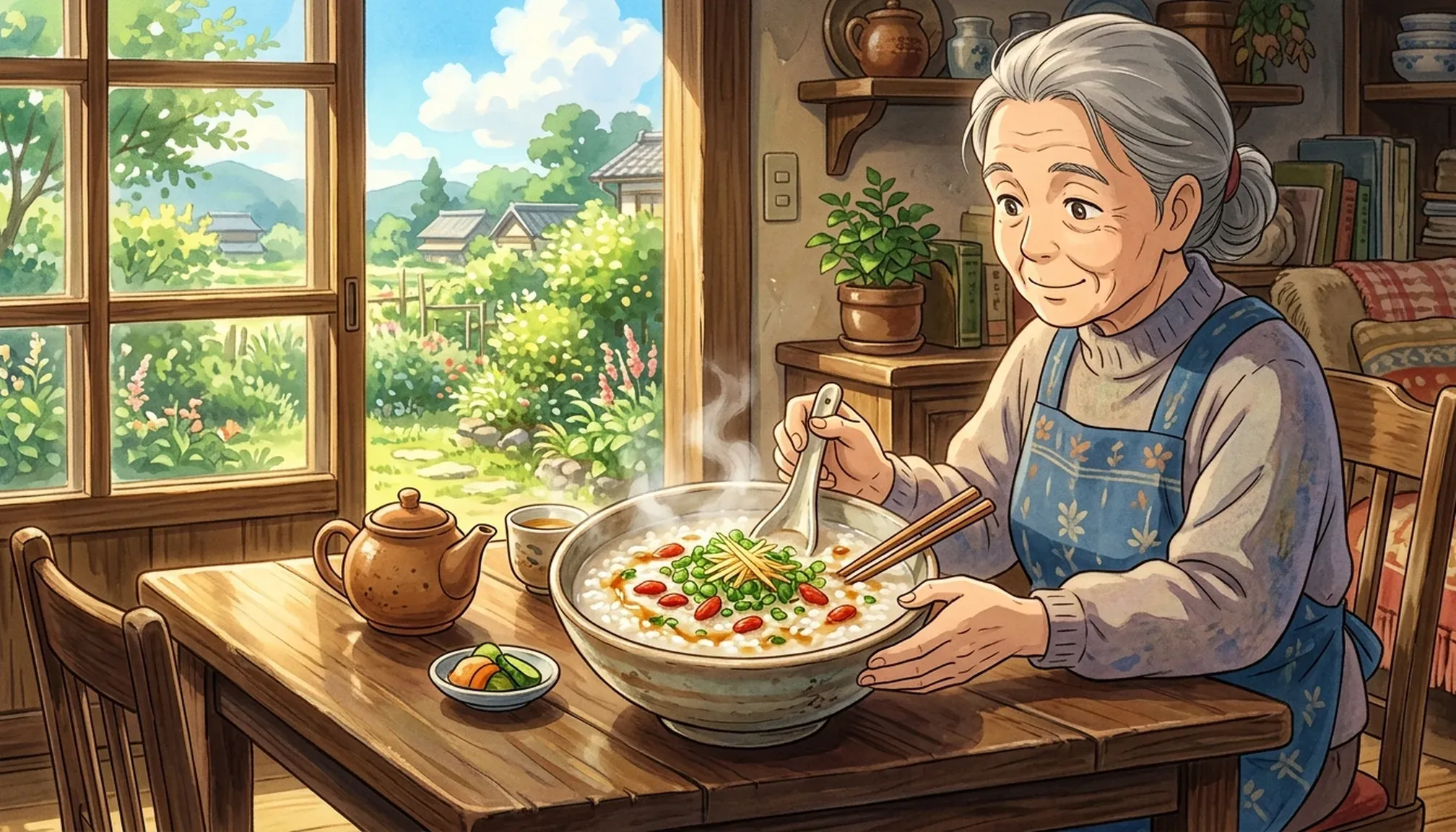
Prioritize cooked, warm foods: soups, stews, brown rice, cooked vegetables. Eating warm foods "rests" digestion and reduces the urge to seek sweet compensation.
Keep natural sweet alternatives on hand: seasonal fruit, a handful of almonds with two dates, yogurt with cinnamon, tea with a touch of honey, crunchy carrot. Natural sweetness calms the craving without the roller coaster of refined sugar.
Hydrate and cut back on afternoon coffee: thirst and too much caffeine sometimes disguise themselves as a sweet craving. A warm herbal tea in the middle of the afternoon works surprisingly well.
Pause before giving in: many cravings last ten minutes. Breathe, go for a short walk, wait. If it's still there, have a natural alternative and be done with it, no guilt.
Work on the stress, not just the craving: stress is one of the most powerful triggers. Walking, slow breathing, stretching, getting good rest... all of this reduces the need to "self-medicate" with sweets.
How Acupuncture Can Help
In Traditional Chinese Medicine, acupuncture is used as support to regulate energy, aid digestion, and help the body manage stress better. Some people who receive acupuncture treatment report less compulsive snacking and a greater overall sense of balance. Current research on acupuncture and eating habits is limited but promising in certain areas, although more high-quality studies are needed. What matters is to see it as a complement within a plan that includes nutrition, rest, and stress management, never as a substitute for healthy eating or for the advice of a physician or a registered dietitian.
When to See Your Doctor
Occasional sweet cravings are normal and nothing to worry about. However, see your doctor if you notice any of the following:
- Very intense cravings accompanied by unexplained weight loss or gain.
- Intense thirst, intense hunger, and persistent fatigue (it would be wise to rule out glucose problems such as diabetes).
- Frequent digestive symptoms: bloating, pain, or changes in bowel habits that don't resolve.
- A feeling of losing control around food, or binge episodes that cause you significant distress.
Acupuncture and Chinese medicine can work alongside your doctor's follow-up, never in its place.
Frequently asked questions
Why do I crave something sweet right after eating?
It's very common. After a large meal, especially one rich in refined carbohydrates, an energy dip can follow, and the body tries to correct it by asking for something sweet. Eating in a more balanced, warm way, and finishing the meal with something naturally sweet like fruit, usually helps break that routine.
Is it bad to eat sweets every day?
It's not a matter of forbidding, but of quality and quantity. A natural sweet food such as seasonal fruit fits perfectly into a balanced diet. The problem is usually refined sugar and too many ultra-processed foods. Moderation and a good source are the sensible combination.
Does acupuncture help control sweet cravings?
Acupuncture doesn't "take away" cravings by magic, but in Chinese medicine it is used to help regulate energy, aid digestion, and reduce the impact of stress, which is one of the big triggers. It works best as part of a comprehensive plan and as a complement, not as a substitute for healthy habits.
How many acupuncture sessions are needed?
It depends on each person and their overall situation: habits, stress, rest, digestion... Some people notice changes within a few sessions, while others need a longer process. Typically, the practitioner will suggest an initial plan and review it with you based on your progress.
Does acupuncture hurt?
Acupuncture needles are very thin, much thinner than those used for blood draws. Most people barely feel the insertion; some notice a slight, brief discomfort or a sensation of heaviness or warmth, which usually fades right away. In the hands of a qualified professional, it is a safe technique.
Take Care of Your Energy, Without Guilt
Sweet cravings are not a personal failure: they are messages from your body about energy, rhythm, and stress. Traditional Chinese Medicine invites you to listen to them with curiosity instead of fighting them with guilt. If you'd like to explore your specific case in more depth, consult a qualified professional in acupuncture and Traditional Chinese Medicine, who can guide you in a personalized way and work alongside your doctor. Your daily energy will thank you.