Chinese herbal medicine is one of the oldest and most sophisticated tools in Traditional Chinese Medicine (TCM), but it is also one of the ones that raises the most questions for people encountering it for the first time. Is it the same as drinking herbal tea? Will any herb from a health food store do? How exactly do you take it? In this article we explain, in plain language, what Chinese herbal medicine is, how it differs from Western herbalism, what forms it comes in, and why a professional prescription is essential.
What Chinese Herbal Medicine Is and How It Differs from Western Herbalism
When we talk about herbal medicine in the West, we usually think of a specific plant for a specific problem: valerian for sleep, chamomile for digestion, ginger for nausea. The logic is simple: one plant, one effect.
Chinese herbal medicine works differently. Its starting point is not the plant but the person. A Chinese medicine practitioner does not look for an herb that "removes" a symptom. Instead, they first make an overall assessment of the patient: how they sleep, how they digest, what their body temperature tends to be, how their energy holds up through the day, their mood, their tongue, and their pulse. With all of that information, the practitioner reaches a diagnosis according to the principles of Traditional Chinese Medicine and designs the treatment from there.
This means two people with the same symptom, such as a headache, can receive completely different formulas, because the origin of that headache is understood differently in each case. That is the big difference from the Western approach: the illness isn't treated in isolation. The whole person is treated.
Chinese herbal medicine uses hundreds of plant-based substances (roots, bark, flowers, seeds, leaves) and a few mineral ones as well. Each substance is classified by its nature (whether it brings warmth or cold to the body, in everyday terms), its flavor, and the direction in which it moves the body's energy. By combining them with care, the practitioner aims to restore the patient's internal balance.
Why Combined Formulas Are Used Instead of Single Herbs
One of the most surprising features of Chinese herbal medicine for Western audiences is that a single herb is almost never prescribed. The norm is the herbal formula: a combination of several substances, often between five and fifteen, that work together.
Why? There are several practical reasons:
Synergy. The substances strengthen one another. A main herb addresses the central problem, while the others support it and amplify its action.
Direction. Some substances in the formula act as "guides," steering the effect of the whole formula toward the area of the body you want to treat.
Balance. An herb with a very strong effect can cause side effects if taken alone. Within a formula, other substances soften or offset that intensity.
Personalization. Classical formulas, many of them centuries old, serve as a foundation, but the practitioner adapts them by adding or removing ingredients according to each patient's needs.
You could compare it to an orchestra: each instrument has its role, but it is the combination that makes the music. Taking a single herb would be like listening to just one violin.
That is why buying Chinese herbs on your own, online or in stores without professional guidance, is not only usually ineffective but can be counterproductive: without a prior diagnosis, there is no way to know which formula your body needs right now.
How Herbal Formulas Are Taken: The Most Common Forms
Chinese herbal medicine can be taken in several ways. Your practitioner will choose the most suitable form based on your case, your daily routine, and the stage of treatment.
Decoction: The Traditional Method
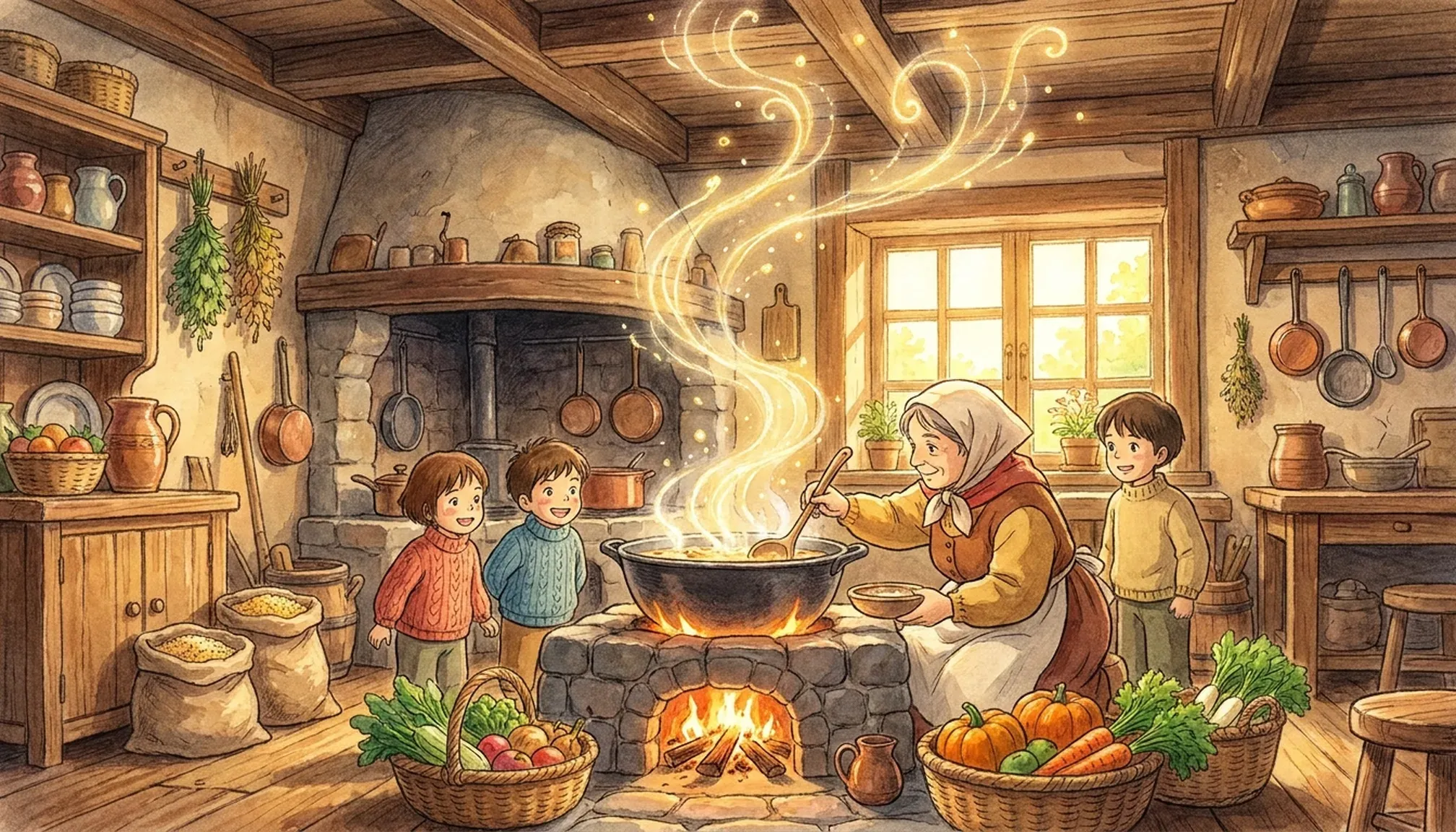
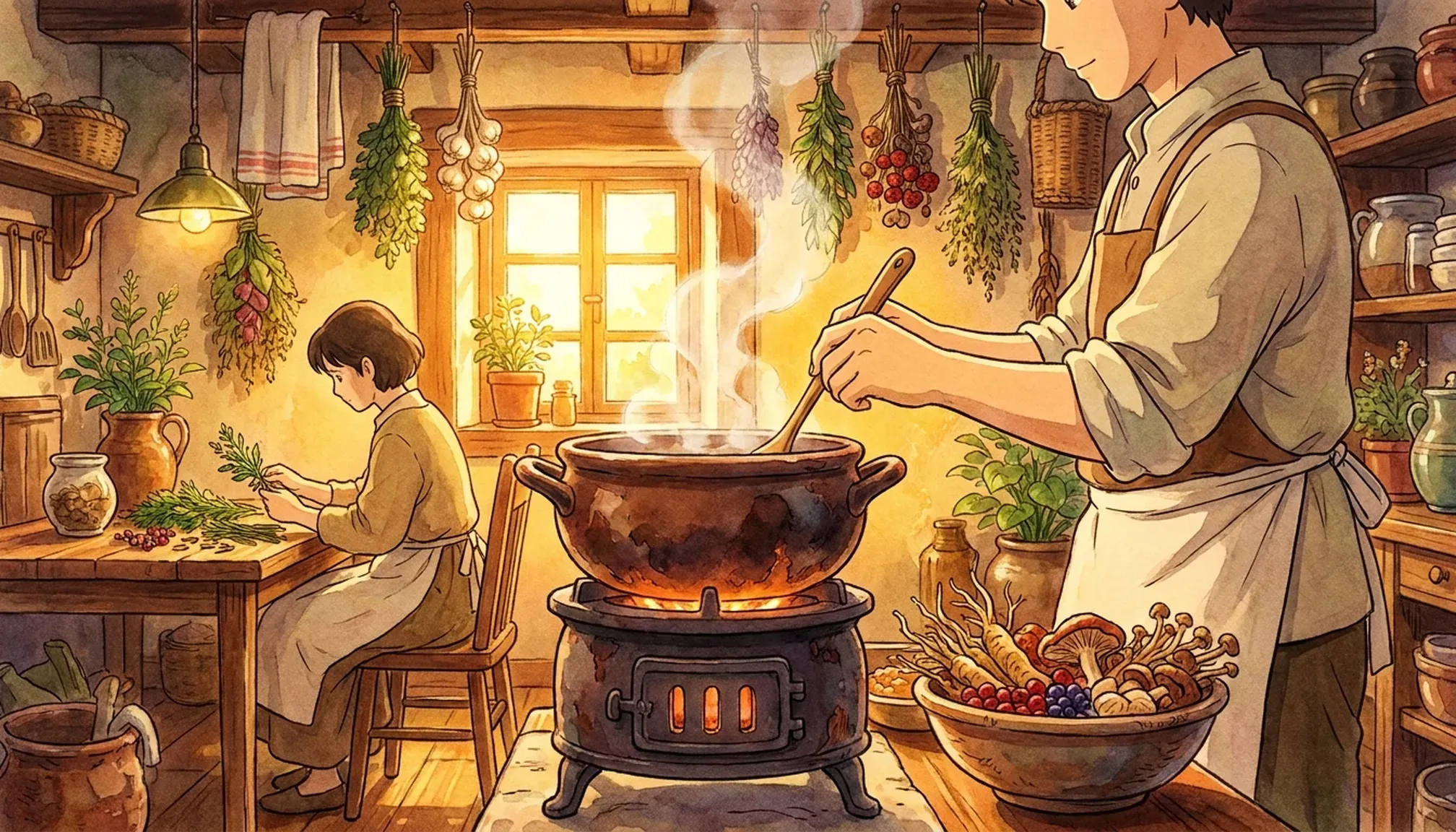
Decoction is the classic way to take Chinese herbal formulas. It involves boiling the raw herbs (supplied dried and cut into pieces) in water for a set amount of time, until you have a kind of concentrated broth that you drink, usually divided into two or three doses a day.
It is the most potent form and the one that allows complete personalization, since the formula is made to order for each patient. In exchange, it takes commitment: you have to cook the herbs every day or every few days, and the taste is usually strong, bitter, or earthy. Many patients describe it as "strong at first, but you get used to it."
Powders and Granules: The Practical Option
Increasingly common, granules are concentrated plant extracts that dissolve in hot water, much like instant coffee. They keep much of the flexibility of decoction (the practitioner can combine several granules to build the personalized formula) but remove the need to cook.
This is a very convenient form for people with little time or who travel often, and although the taste is still distinctive, it tends to be easier to take.
Tablets, Capsules, and Pills: Maximum Convenience
Classical formulas also come ready-made as tablets, capsules, or small traditional pills. They are the easiest form to take and to dose, and they are useful for long-term maintenance treatment or for people who can't tolerate the taste of decoctions.
The trade-off is that they don't allow personalization: the formula is fixed. That is why the practitioner decides in each case whether it makes sense to start with a decoction or custom granules and then move to a fixed form.
External Forms
Although less well known, some formulas are applied to the skin as ointments, poultices, or lotions, especially for muscle aches or skin problems. In these cases, Chinese herbal medicine is often combined with acupuncture to enhance the results.
How Long You Take It and What to Expect
There is no single answer, because it depends on each person and each situation. In general, a distinction is made between recent conditions, which may respond within a few weeks, and long-standing conditions, which usually need several months of treatment with periodic follow-ups.
Typically, the practitioner prescribes the formula for an initial period (for example, two or three weeks) and then reassesses. As the patient progresses, the formula is adjusted: ingredients are changed, proportions are modified, or the patient switches to a more convenient form. Chinese herbal medicine is a living treatment, not a fixed recipe that gets repeated indefinitely.
It's important to keep your expectations realistic. Traditional Chinese Medicine is understood as a complement to health care, not a substitute for conventional medicine. If you have symptoms that are persistent, severe, or worrying, always see your doctor first.
The Importance of a Professional Prescription
We stress this point because it is the most important one in this whole article: Chinese herbal formulas should be prescribed by a practitioner qualified in Traditional Chinese Medicine.
A good practitioner does a complete assessment before prescribing, chooses the right formula, adapts it to your situation, and follows up to adjust it. They also work with trusted suppliers who guarantee the quality and purity of the herbs, which is essential: the market includes unregulated products with incorrect dosages or even undeclared substances.
Be wary of any "miraculous" product, of generic formulas that promise results for everyone, and of sellers who are not health professionals. Chinese herbal medicine is a serious therapeutic tool, and as such it requires knowledge, diagnosis, and follow-up.
Precautions: Drug Interactions and Other Warnings
Natural doesn't mean harmless. Plants contain potent active compounds and can interact with medications, so it's worth keeping a few basic precautions in mind:
- Always tell your Chinese medicine practitioner about every medication you take, including contraceptives, anticoagulants, blood pressure or thyroid medication, as well as supplements and other herbs.
- Also tell your doctor that you are taking a Chinese herbal formula. Communication between the two professionals is the best guarantee of safety.
- Never stop a medication prescribed by your doctor on your own. Chinese herbal medicine is complementary, not a substitute.
- Pregnancy and breastfeeding: some herbal substances are contraindicated during these stages. If you are pregnant or breastfeeding, always mention it before starting any treatment.
- Children and older adults: they need adapted doses and formulas. Never give them a formula designed for an adult.
- Allergies: if you have known allergies to any plant or food, mention it at your first visit.
With these precautions and under professional supervision, Chinese herbal medicine is generally well tolerated and fits in smoothly as a complement to conventional medical treatment.
Frequently asked questions
Is Chinese herbal medicine the same as drinking herbal tea?
Not exactly. A homemade herbal tea usually contains one or two plants in small amounts, while Chinese herbal formulas are combinations built on a prior diagnosis, with precise doses and specific preparation methods (such as decoction). The chamomile tea you drink for digestion is Western herbalism; a personalized Chinese formula is something else.
Can I take a Chinese herbal formula and my regular medication at the same time?
In many cases yes, but always under supervision. Some herbs can interact with medications, strengthening or reducing their effect. That's why it's essential to tell both your doctor and your Chinese medicine practitioner everything you take, and never to stop prescribed medication on your own.
How long does Chinese herbal medicine take to work?
It depends on the person and the reason for the visit. Recent conditions can improve within a few weeks; long-standing ones usually need several months with follow-ups and adjustments to the formula. Your practitioner will give you a realistic idea at the first visit.
Do herbal formulas taste bad?
Traditional decoctions usually have a strong, bitter, or earthy taste, which most people get used to within a few days. If the taste is a problem for you, there are more convenient forms such as granules, tablets, or capsules.
Can I buy Chinese herbs online and prepare them myself?
It isn't recommended. Without a professional diagnosis, there's no way to know which formula you need, and products without quality control can be ineffective or even dangerous. Chinese herbal medicine works precisely because it is personalized; skipping that step removes its main advantage.
Conclusion
Chinese herbal medicine is much more than "taking herbs": it is a complete therapeutic system, based on individual diagnosis and on combined formulas that adapt to each person and to each stage of treatment. Whether as a decoction, granules, or tablets, its effectiveness and safety depend on one key factor: the prescription and follow-up of a qualified practitioner.
If you are thinking about trying Chinese herbal medicine as a complement to your health care, we encourage you to visit a clinic with practitioners trained in Traditional Chinese Medicine, who will assess your case as a whole and support you throughout the process. And remember: if you have persistent or serious symptoms, always see your doctor first.