Yin and Yang is probably the most famous symbol in Chinese culture and, at the same time, one of the most misunderstood. You've almost certainly seen it a thousand times: a circle divided into two halves, one white and one black, curled around each other like fish, each holding a dot of the opposite color. Many people associate it with tattoos, living-room decor, or vague ideas about "the positive and the negative." But behind that image lies a far richer and more practical philosophy, one that speaks to the dynamic balance of life and forms the foundation on which all of Traditional Chinese Medicine is built. If you've ever wondered what Yin and Yang really mean, this article explains it plainly, with everyday examples and no complicated jargon.
What Are Yin and Yang? A Simpler Idea Than It Seems
Before it was a symbol, Yin and Yang was a way of looking at the world. The ancient Chinese thinkers observed nature and saw that everything works in pairs of opposing forces that need each other: day and night, heat and cold, movement and rest, expansion and contraction.
Yang represents everything active, bright, warm, and expansive: the sun, daytime, movement, action. Yin, for its part, represents what is receptive, dark, cool, and still: the moon, night, rest, stillness.
The key is that they are not enemy forces, and they are not moral values. Yang is not "the good" and Yin is not "the bad." They are simply two sides of the same reality, and they complement each other. Without night there is no day; without rest, no activity is possible. Yin and Yang describe how nature—and we within it—stay in balance through the constant exchange between these two poles.
The Origin of Yin and Yang: From Observation to Philosophy
Where does this idea come from? Curiously, Yin and Yang did not originate in a philosophy book but in the countryside. The first Chinese farmers used these terms to describe something very concrete: Yang was the side of the mountain facing the sun, and Yin the side left in shade. In other words, it began as a practical, everyday observation of nature.
Over time, this simple observation became one of the pillars of Chinese thought. Philosophers used it to explain how the universe works, the seasons of the year, and the human body as well. When Chinese medicine organized its body of knowledge centuries later, it adopted Yin and Yang as its fundamental framework: a way of understanding health as a balance between opposing forces that continuously regulate each other.
What the Yin and Yang Symbol Means (and Why It Isn't What You Think)
The famous black-and-white circle—known as the taijitu—is a visual lesson in philosophy. It's worth pausing to look at it calmly, because every detail carries meaning.
One Circle, Not Two Separate Halves
The first thing you notice is that the two halves aren't divided by a straight line but by a flowing curve. This shows that Yin and Yang are not fixed blocks: they transform into one another continuously. Day doesn't switch off all at once to make way for night; there is a sunset, a gradual transition. Nature works this way, in constant motion.
The Dot of the Opposite Color
Inside each half there is a small circle of the opposite color. This detail is perhaps the most profound part of the symbol: it means that within Yin there is always a seed of Yang, and within Yang there is always a seed of Yin. Nothing is pure or absolute. Even in the darkest night, the seed of a new dawn is already present. Even at the moment of peak activity, the need for rest already exists.
Dynamic Balance, Not Static Balance
Here we arrive at the concept many people overlook: Yin and Yang do not represent a still, frozen balance, like a photograph, but a dynamic balance, like that of a person walking. When you walk, your body is constantly on the verge of falling and correcting itself with every step. That continuous correction is what keeps you upright. In the same way, Yin and Yang describe a permanent dance of adjustments: when one grows, the other diminishes, and vice versa, keeping the whole in harmony.
Everyday Examples of Yin and Yang in Your Daily Life
The best way to understand this idea is to see it in your own life. You're surrounded by examples of Yin and Yang at every hour of the day:
Day and night, activity and rest. The classic example. During the day we are active: we eat, work, and move (Yang). At night the body winds down, slows its pace, and repairs itself while we sleep (Yin). When we respect this natural rhythm, we feel good; when we disrupt it—by habitually staying up late, for example—the balance breaks down.
Morning coffee and the after-lunch slump. After eating, many people feel a drop in energy. That's normal: the body devotes resources to digestion (a Yin process, turned inward) and "borrows" Yang energy from outward activity. The nap your body asks for isn't laziness; it's balance.
Physical exercise. Training is Yang: effort, heat, movement. But muscle grows and strengthens during recovery, that is, during Yin rest. An athlete who only trains without resting doesn't improve; they get injured. The balance between stimulus and recovery is Yin-Yang philosophy in action.
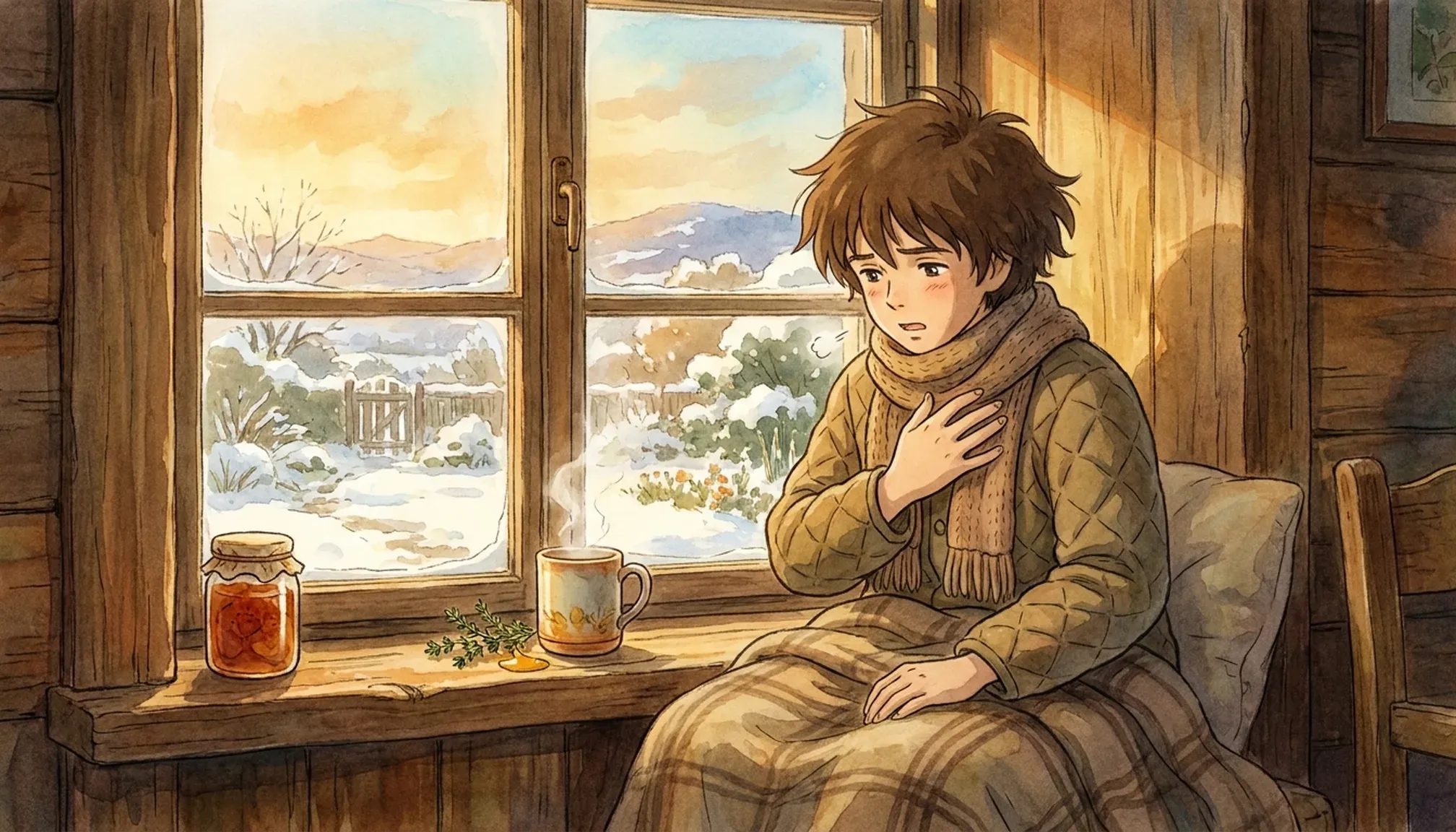
The heat of summer and the cold of winter. In summer, energy expands outward: more social life, more hours of daylight, more activity (Yang). In winter everything draws inward: we sleep more, we look for warmth, and nature conserves its reserves (Yin). Each season prepares the next.
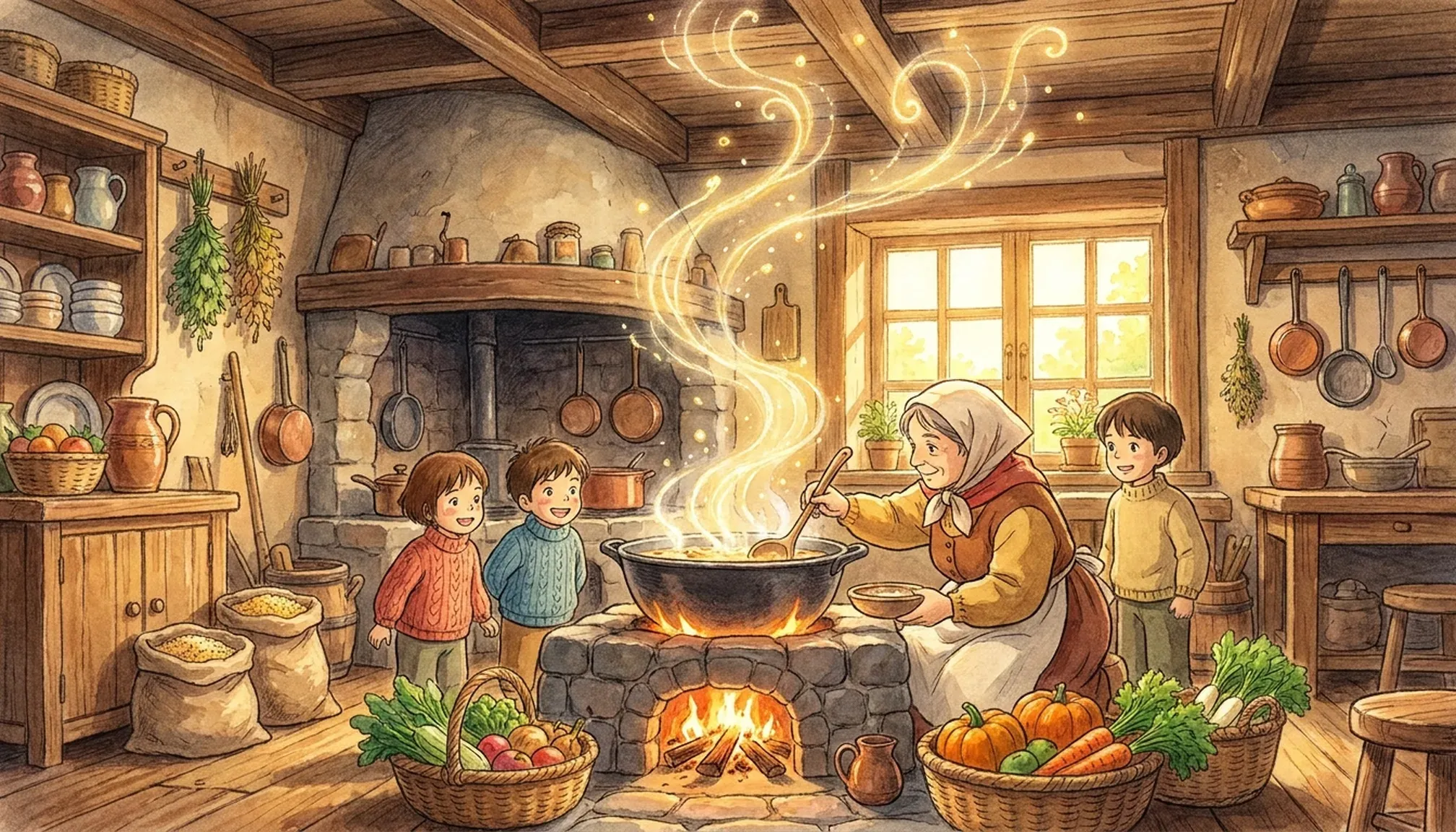
Cooking. A raw, cool dish like a salad is more Yin; a hot stew simmered slowly is more Yang. The traditional cooking of many cultures, without knowing it, balances these extremes according to the season.
As you can see, Yin and Yang is not a distant, esoteric idea: it's a lens for observing the natural rhythms you already know well.
How Yin and Yang Shape the View of Health in Chinese Medicine
This is where philosophy becomes practical. Traditional Chinese Medicine understands health as a state of dynamic balance between Yin and Yang within the body. Not a perfect, unchanging balance, but the ability to adapt: warming up when it's cold, cooling down when it's hot, becoming active in the morning and relaxing at night.
When that balance is disrupted for a prolonged period, discomfort appears. Think of a simple example: if you've spent months under stress, sleeping little, eating in a hurry, and never stopping for a minute, your life has tilted toward an excess of Yang activity without its corresponding Yin rest. The result is often exhaustion, irritability, heavy digestion, or insomnia. From the Chinese perspective, there's no mystery: the pendulum swung too far to one side.
The goal of a Chinese medicine practitioner—whether through acupuncture, herbal medicine, massage, or lifestyle advice—is to help the body recover its capacity for self-regulation. It isn't about adding something from the outside that "cures," but about helping the pendulum swing naturally again. That's why two people with the same symptom may receive a different approach: the symptom is only the signal; what matters is which imbalance is producing it.
This view has a very valuable consequence for the modern patient: it invites you to see health as a process in which you take an active part through your daily habits, not just as something fixed in the treatment room. And it's worth remembering that Chinese medicine is a complement to conventional medicine, never a substitute. If you have persistent, intense, or worrying symptoms, the first step is always to see your doctor.
What Yin and Yang Is Not: Three Myths Debunked
To finish demystifying the symbol, let's clear up the most common mistakes:
It's not good versus evil. This is a tempting Western reading, but a mistaken one. Both Yin and Yang are necessary and valuable. The problem is never one of them, but the lack of balance between the two.
It's not a religious doctrine. Although it is present in Taoist philosophy, Yin and Yang is above all a tool for observing nature. It doesn't ask you to believe in anything, only to look at how the rhythms of the world work.
It's not static or absolute. Nothing is Yin or Yang forever. Everything depends on context and timing: water is Yin relative to fire, but hot water is Yang compared with ice-cold water. These are relative, changing categories, like life itself.
Frequently asked questions
What exactly does the Yin and Yang symbol mean?
The circle represents wholeness. The two curved halves, white (Yang) and black (Yin), symbolize two opposing forces that complement each other and continuously transform into one another. The dots of the opposite color show that each force contains the seed of the other: nothing is absolute.
Is Yin and Yang a religion?
No. It's a philosophical principle of Chinese culture that describes how the forces of nature balance one another. Although it is part of Taoist thought, its message is practical and observable: everything in life works through pairs of complementary opposites.
How are Yin and Yang related to acupuncture?
It is the theoretical foundation of Traditional Chinese Medicine, and therefore of acupuncture. The practitioner assesses a person's overall state of balance and uses the appropriate techniques to help the body regain its natural harmony.
Is Yin feminine and Yang masculine?
Traditionally, Yin is associated with qualities considered feminine (receptivity, stillness, the interior) and Yang with qualities considered masculine (action, expansion, the exterior), but everyone has both aspects. It isn't about gender; it's about qualities of energy present equally in all of us.
How can I balance my Yin and Yang in daily life?
With simple, common-sense habits: keep regular sleep hours, alternate activity with rest, eat according to the season, exercise but also recover well, and find moments of calm on busy days. In essence, listen to the natural rhythms of your body.
Conclusion: Yin and Yang as a Compass for Living Better
Far from being a mere decoration, Yin and Yang is an invitation to live in tune with natural rhythms: to be active when it's time to be active, to rest when it's time to rest, and to remember that health is not a fixed point but a balance you tend to every day. If you feel your balance has slipped—fatigue, stress, difficult digestion, irregular sleep—Traditional Chinese Medicine can offer you a complementary perspective and personalized support. Always look for a qualified professional with accredited training, and don't forget to consult your doctor about any persistent or worrying symptom: both medicines can work together for your well-being.