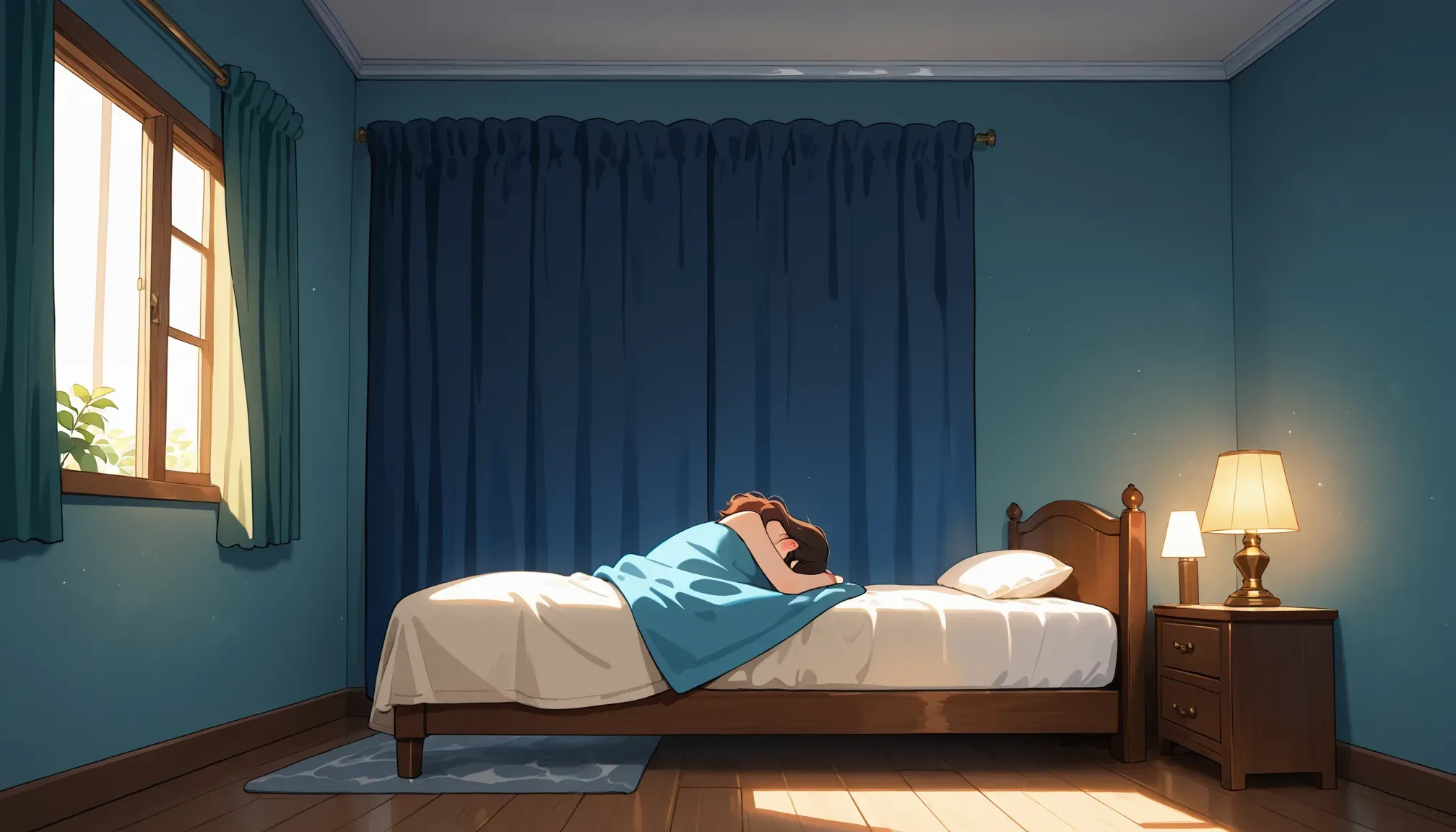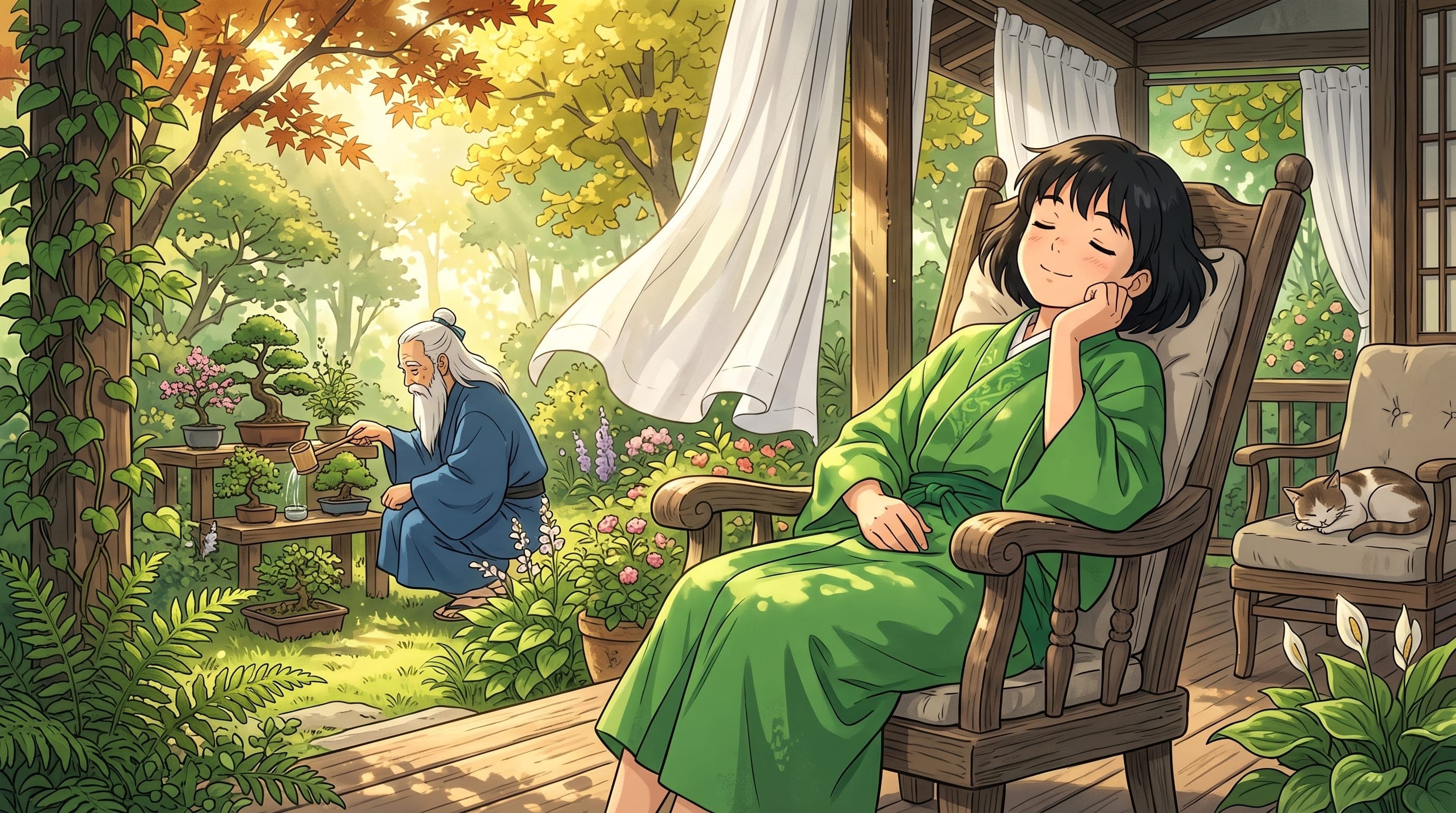
Do you know that tiredness that creeps in after lunch and tempts you to close your eyes for a while? A nap is much more than a Mediterranean tradition or an Asian custom: a short, well-timed rest can improve your focus, your mood, and your energy for the rest of the day. However, sleeping too long in the afternoon can backfire and leave you feeling heavier than when you started. In this article, we explain what science and Traditional Chinese Medicine (TCM) say about napping, why you shouldn't sleep more than half an hour, what time is best, and how to eat and manage digestion so you perform better in the afternoon.
The Nap: A Wise Custom From the Mediterranean and Asia
In Spain, we grew up with the nap as part of our culture, but this custom isn't only Mediterranean. In China and other Asian countries, there is also a tradition of a short rest in the middle of the afternoon, so much so that many companies and schools set aside time to eat and rest before getting back to activity. This is no coincidence: the countries with the strongest nap traditions tend to have warm climates and a main meal at midday, and the body responds naturally to that rhythm.
The idea that sleeping during the day is "lazy" is relatively recent and, in part, a product of the modern work schedule. Traditions with centuries of history rarely survive without a reason: the nap answers a real physiological need, and recognizing it is the first step to making good use of it.
What Are the Benefits of a Short 20-30 Minute Rest?
Research on napping is not abundant, but some studies suggest that a short rest during the day can offer concrete, measurable benefits. These are the most common:
More energy and alertness: after 20-30 minutes of rest, many people notice that they regain mental clarity and the desire to carry on with their afternoon, which is especially useful after the post-lunch slump.
Better concentration and memory: there is limited but promising evidence that short rests support memory and learning processes and reduce errors in tasks that require sustained attention.
Better mood: sleeping for a while reduces irritability and the tension built up during the morning, which shows in how you get along and deal with others.
Support for the cardiovascular system: some observational studies have linked the habit of napping to certain benefits for heart health, although this relationship has not been proven well enough to take it for granted.
It pays to be cautious: a nap is not a pill or a miracle trick, and its effects vary greatly from one person to another. What does enjoy fairly broad consensus is that a short rest is better than a long one if you don't want to wake up feeling worse than when you lay down.
Why You Shouldn't Sleep More Than Half an Hour
If you've ever overslept a nap, you already know the feeling: you wake up groggy, wanting to do nothing, and it takes a few minutes (or more) before you're functioning again. There is an explanation for this.
Sleep is organized into cycles of roughly 90 minutes, which combine light and deep phases and the rapid eye movement phase (the dreaming phase). The first 20-30 minutes are mostly light sleep, a phase you can wake up from easily without disorientation. If you go past that limit, your body enters deeper phases of sleep, and waking up in the middle of one of them is what causes that heaviness and confusion known as sleep inertia.
In addition, sleeping a lot in the afternoon can take away from your sleep at night, make it harder to fall asleep, or cause early awakenings, creating a vicious circle: less sleep at night, more desire for a nap the next day, and so on.
The Rule of Thumb
Between 10 and 20 minutes: enough to refresh the mind without entering deep sleep.
Between 20 and 30 minutes: the limit for the perfect nap for most people.
More than 30 minutes: risk of getting up groggy and disrupting your sleep at night.
If you're someone who needs to sleep longer to feel rested, what you're probably missing is not a longer nap, but better sleep at night.
What Time Is Best for a Nap?
The ideal time for a nap has to do with your biological clock. After eating, the body concentrates its efforts on digestion and body temperature drops slightly, which produces that natural sleepiness many people call "the 3 p.m. slump." That's why the recommended window is usually between 1:00 p.m. and 3:30-4:00 p.m.
After that time, going to sleep can interfere with falling asleep at night. A good rule is to leave a gap of at least 6-8 hours between the end of your nap and the time you go to bed at night.
Sleepiness After Eating: What Traditional Chinese Medicine Says
Traditional Chinese Medicine has spent centuries observing the relationship between food, digestion, and daily energy, and its view fits very well with what modern physiology knows about the post-meal slump.
In TCM, eating is an act that consumes energy. When you take in food, the body mobilizes part of its vital energy (what the Chinese tradition calls Qi) toward the digestive system to turn the food into nourishing substance. If the meal is very large, very heavy, or very fatty, that digestive effort is greater and the rest of the body is temporarily left "with fewer resources": hence the heaviness, the sleepiness, and the urge to lie down.
Chinese medicine also puts a lot of emphasis on the natural order of things: first the food is processed, then comes rest. Lying down to sleep right away with your stomach still full makes that job harder and leads to slow digestion, bloating, and unrefreshing sleep.
How to Eat So You Don't Crash After Lunch
Eat light, simple meals: less food and less fat mean smoother digestion and less of a slump. A heavy midday meal is, paradoxically, one of the most common causes of afternoon heaviness.
Chew well and eat slowly: eating calmly makes the work of digestion easier and helps you notice sooner when you're full.
Take a quiet walk after eating: walking for 10 to 15 minutes at an easy pace is one of the best remedies for a calm digestion. It helps the food settle and prevents that intense sleepiness that makes you want to doze off on the couch.
Avoid eating very late or snacking constantly: irregular schedules throw off the body's rhythms and can make both the afternoon slump and sleep at night worse.
Drink in moderation during meals: according to the traditional Chinese view, drinking very large amounts of cold liquid during a meal can hinder digestion; it's better to take small sips at room temperature.
If You Decide to Take a Nap, Do It Right
Wait a little after eating: ideally, let 15 to 30 minutes pass after finishing your meal and, if you can, take that short walk first.
Lie down, don't fall asleep on the couch: a quiet, comfortable place supports a good-quality rest.
Set a timer: set an alarm for 20-25 minutes so you don't oversleep without realizing it.
If you don't fall asleep, that's fine: simply closing your eyes and breathing calmly for a while already has a restorative effect.
A Nap Is Not Always the Answer
Although napping has its benefits, there are situations in which sleeping a lot during the day can be a sign to watch, not a good habit:
You feel intense, persistent tiredness that doesn't go away even though you sleep well at night.
Daytime sleepiness is so overwhelming that it interferes with your work, your driving, or your social life.
You wake up in the morning with a headache, very loud snoring, or a feeling of choking.
You notice recent changes in your weight, mood, or appetite that go along with the tiredness.
In these cases, the right thing to do is to see your doctor, because excessive daytime sleepiness can hide nighttime sleep problems, such as sleep apnea, or other conditions that should be ruled out. Acupuncture and Traditional Chinese Medicine can be a useful complement for improving rest and digestion, but they never replace medical evaluation and treatment when needed.
Frequently asked questions
Is it good to take a nap every day?
For most people, a short, well-timed nap is a healthy habit that can be practiced daily. If you're someone who can't fall asleep within those 20-30 minutes, or whose night's sleep gets thrown off afterward, it's better to limit napping to the days when you really feel you need it.
Why do I wake up sleepier after a nap?
Most likely you went past 30 minutes and your body entered deeper phases of sleep that you shouldn't have been woken from. Try shortening your nap to 20 minutes and getting up as soon as the alarm goes off, without hitting "snooze."
What can I do if I feel very sleepy after eating?
Start with the meal: reduce portions and fat, chew slowly, and go for a 10-15 minute walk afterward. If the slump still persists and affects your daily life, see your doctor to rule out causes that deserve attention.
Does acupuncture help you sleep better?
Some studies suggest that acupuncture can help you fall asleep and sleep more restfully, although the scientific evidence is still limited. From the Chinese medicine perspective, a good share of sleep problems are related to stress, digestion, or a depletion of the body's reserves, aspects that acupuncture addresses in a holistic, personalized way.
Does acupuncture hurt?
Most people describe the sensation of the needles as minimal: a slight tingling or pressure at some points, never a sharp pain. The needles are very thin, much thinner than those used for injections, and the experience is usually relaxing.
Take Care of Your Rest the Way You Take Care of Your Diet
A nap, properly understood, is not an indulgence: it's a simple tool to perform better, feel better, and look after your health in the long run. Eating light, walking after meals, and setting aside 20 minutes for rest can completely change your afternoons. And if your tiredness goes beyond a simple slump or your sleep at night needs improving, a qualified professional in acupuncture and Traditional Chinese Medicine can help you restore your body's balance in a natural, personalized way. Always consult qualified professionals and your primary care doctor before making any important decision about your health.