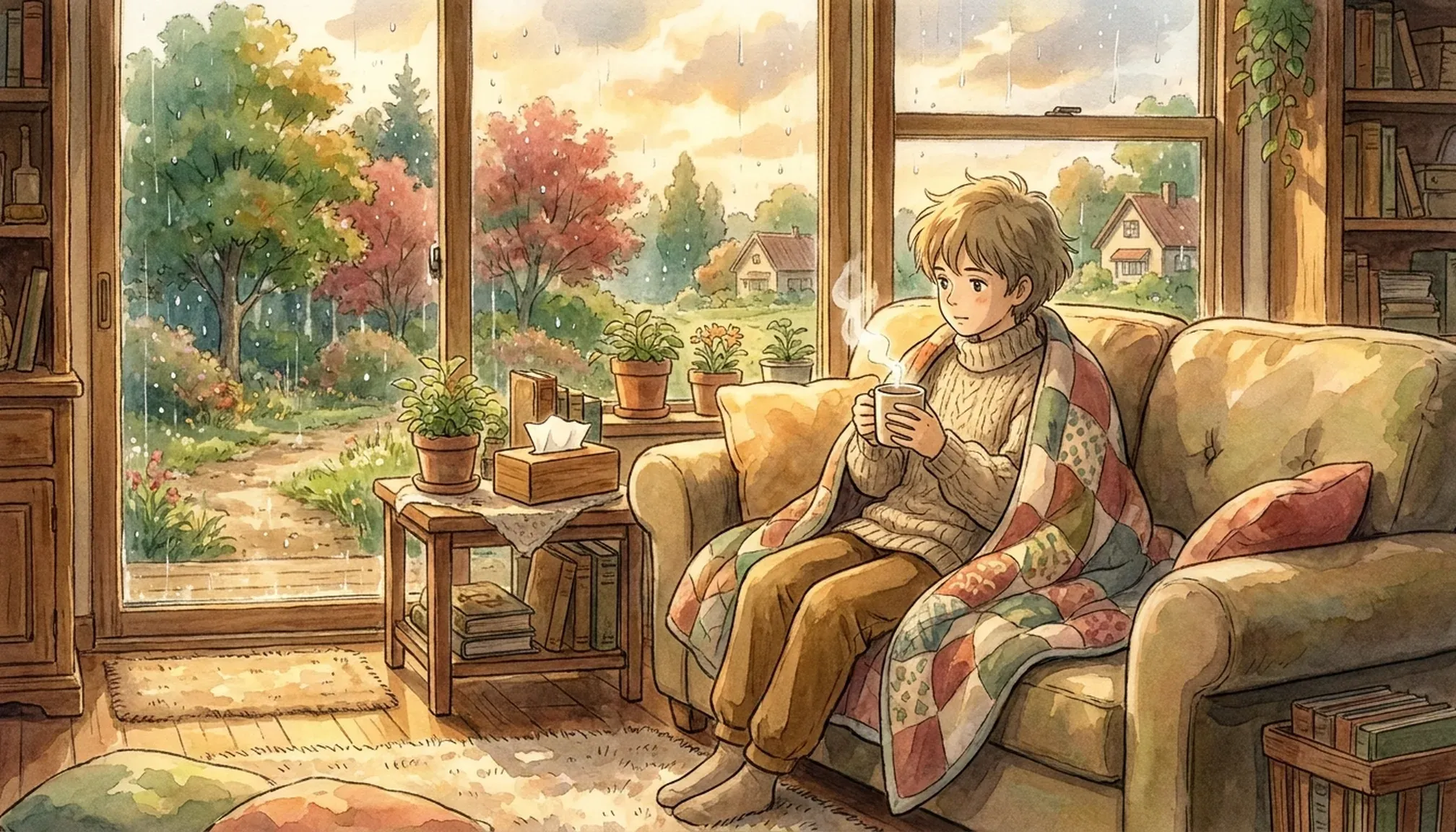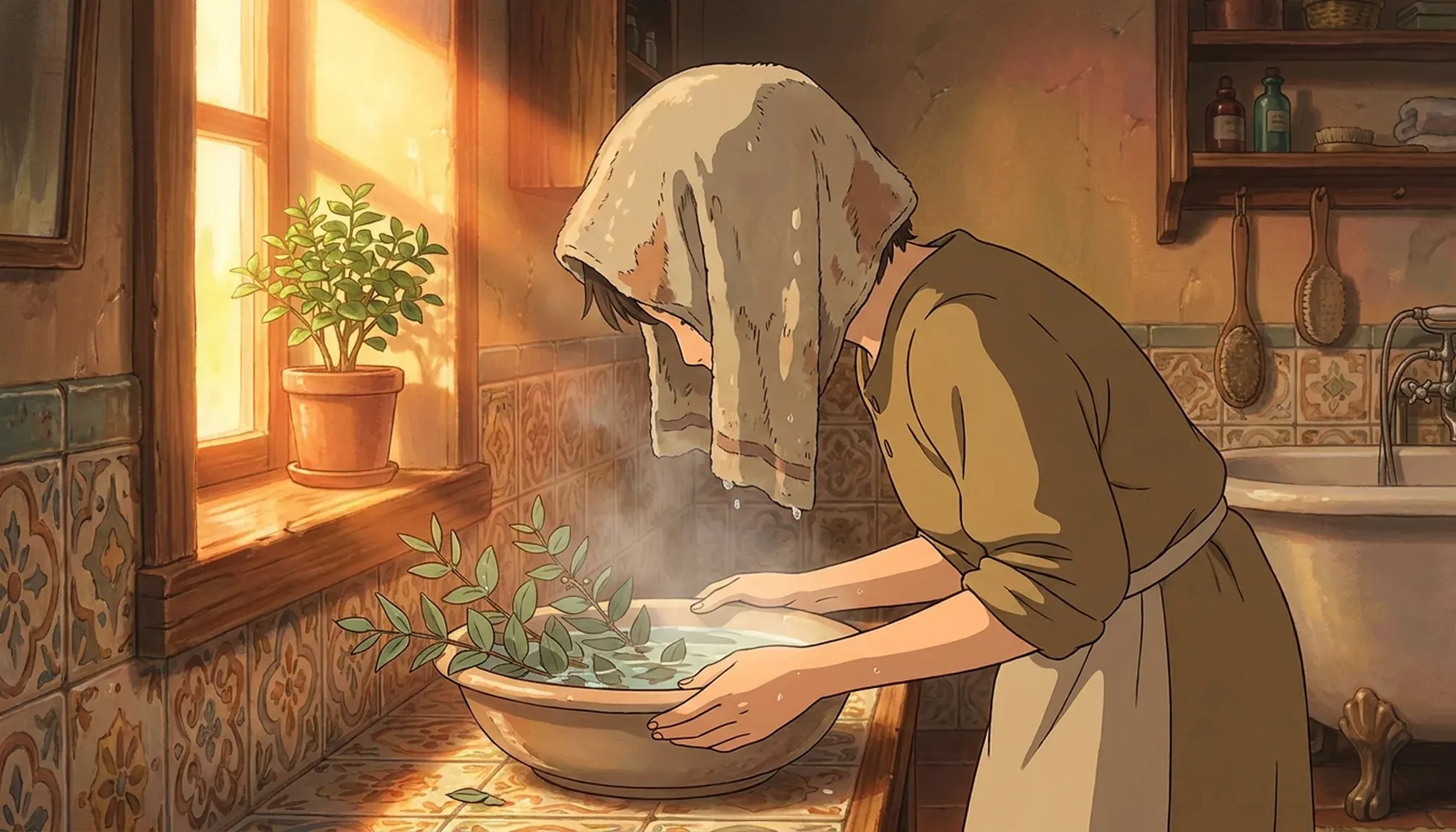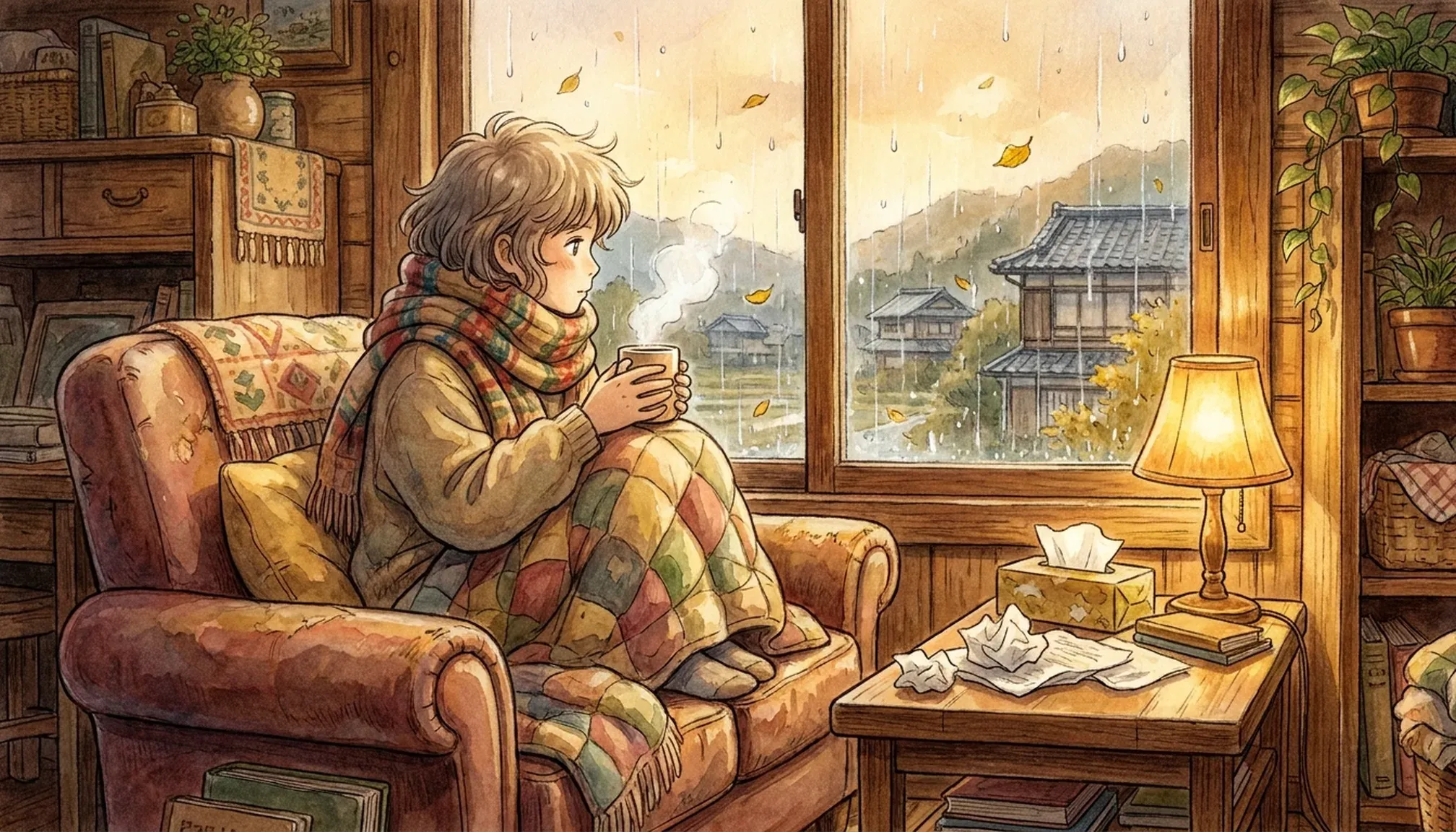
Every year it's the same story: September arrives, temperatures drop, we head back to work or school… and the first runny noses, sneezes, and sore throats arrive right along with them. Fall colds are practically a seasonal classic, but they aren't inevitable. Understanding why they happen and which habits strengthen your defenses can make the difference between spending the fall with a tissue in your hand and actually enjoying it in good health. On top of that, Traditional Chinese Medicine (TCM), with more than two thousand years of experience observing the changing seasons, offers a very practical view of how to protect the body from Cold and Wind. In this article we tell you everything, with simple tips you can start applying today.
Why do colds increase when fall arrives?
It's no coincidence that colds spike right when the season changes. Several factors come into play, and together they create the perfect scenario for viruses.
Sudden changes in temperature
In the fall we live with cold mornings, mild afternoons, and cool nights. These swings force the body to adapt constantly, and that effort uses up resources. When your body is busy regulating its temperature, it has less energy available to watch for and fight the viruses circulating around us.
Back to routine and close contact
September means going back to classrooms, offices, and crowded public transportation. We spend more hours indoors, in poorly ventilated spaces, surrounded by more people. Respiratory viruses spread easily in these environments, especially when someone coughs or sneezes nearby.
Defenses that run a little low after summer
Summer often brings schedule changes, irregular meals, a bit less rest, and, in general, a more disorganized routine. Even if we had a great time, the body can arrive at fall with barely enough in reserve. Add the stress of going back to work or school, and the immune system takes a hit: prolonged stress is one of the biggest enemies of your defenses.
Drier air
With the cold, the air gets drier, especially indoors with the heating on. The mucous membranes of the nose and throat, which are the body's first line of defense, dry out and lose some of their ability to trap and expel viruses before they take hold.
How to prevent fall colds: habits that work
The good news is that prevention is largely in our own hands. Nothing extraordinary is needed: it's enough to take care of the basics with a little more attention.
Dress smart. It's not about dressing as if it were January, but about wearing layers you can take off and put on as the temperature changes throughout the day. Pay special attention to your neck, upper back, and feet: these are areas where the cold "gets in" easily.
Get enough sleep. Nighttime rest is when the body repairs and recharges its defenses. With the arrival of fall and shorter days, the body naturally asks for a bit more sleep. Listen to it.
Ventilate enclosed spaces. Even when it's chilly, opening the windows for a few minutes a day refreshes the air and reduces the concentration of viruses at home and in the office.
Stay hydrated and moisten the air. Drinking enough water keeps your mucous membranes hydrated and working well. If the air is very dry, a simple humidifier can help.
Move in moderation. Gentle, regular exercise—walking, swimming, yoga, or tai chi—promotes circulation and supports your defenses. Excessive intense exercise, on the other hand, can weaken them temporarily.
Manage stress. Getting back into the routine can be demanding. Setting aside a few minutes a day to breathe calmly, take a walk, or simply unplug helps more than it seems.
Wash your hands often. It's the simplest gesture and one of the most effective for breaking the chain of transmission of respiratory viruses.
What Traditional Chinese Medicine says about fall colds
Traditional Chinese Medicine (TCM) has spent millennia observing how the seasons influence health. In TCM, fall is a time of transition: the expansive Heat of summer gives way to Cold, and the body needs to adapt by gathering in and conserving its energy, just as nature draws inward and the leaves fall.
Wind and Cold, the "unwelcome guests"
In the Chinese view, Wind is the main carrier of external illness. Wind is said to "open the door" to other factors such as Cold, which enter the body mostly through the neck, the nape, and the upper back. That's why the classic advice to cover these areas with a scarf in the fall isn't just grandmother's habit: it fits perfectly with centuries of Chinese observation.
Defensive energy: the body's shield
TCM describes a kind of protective energy that circulates on the surface of the body, between the skin and the muscles, acting as a barrier against Cold and Wind. When this defensive energy is strong, the body copes well with changes in temperature, and viruses find the door closed. When it is weak—because of fatigue, poor rest, poor diet, or stress—the body's "doors and windows" are left ajar.
From this perspective, preventing a cold isn't only about avoiding viruses but about keeping that inner shield in good shape. That's where diet, rest, gentle movement, and therapies such as acupuncture come into play.
Fall tips from Chinese medicine to look after your defenses
Chinese tradition adapts habits to each season. These are the ones most often recommended for fall:
Eat warm, seasonal foods
In the fall, Chinese tradition advises cutting back on cold, raw foods (salads, iced drinks) and switching to hot, cooked dishes: puréed soups, broths, mild stews, sautéed vegetables. According to this view, cold food weakens the body's ability to generate internal warmth. Make the most of seasonal produce: pumpkin, sweet potato, chestnuts, cooked pears, mushrooms, or cabbage. Warm ginger tea with a touch of honey is a classic for warming up.
Protect your neck and back
A light scarf, a jacket with a slightly higher collar, or simply not going out with wet hair: simple gestures that, in TCM, close the doors through which Wind-Cold enters.
Sync up with the rhythm of fall
With shorter days, tradition recommends going to bed a little earlier and getting up with the light. Racing against the clock and staying disconnected from natural rhythms wears down the body's energy, including its defensive energy.
Practice gentle, mindful movement
Disciplines such as qigong or tai chi, deeply rooted in Chinese culture, combine slow movement, breathing, and mindful attention. They are practiced precisely to keep energy circulating smoothly and to strengthen the body's overall resilience.
Consider acupuncture as preventive support
In Chinese tradition, acupuncture isn't used only when there is already a problem: historically it has also been used preventively, especially at the change of seasons. The idea is simple: when the body is balanced and its energy flows well, it adapts better to the cold and holds up better. A qualified acupuncturist can assess your general condition and help you prepare your body for the colder months, always as a complement to healthy habits and conventional medicine. The World Health Organization recognizes acupuncture as a practice of traditional medicine, and research into its effects continues to develop.
What if I catch a cold anyway?
Sometimes, even when we do everything right, the virus wins the battle. In that case, Chinese tradition insists on something very sensible: truly rest. Resisting the urge to stop and pushing through your routine on willpower alone prolongs the discomfort and drains the body's reserves. Warm, light meals, plenty of warm liquids, staying bundled up, and sleep are the basic treatment, for Chinese medicine and for your primary care doctor alike.
While it runs its course, a few acupressure points can help you cope with common cold symptoms: Yingxiang (LI20), beside the nostrils, for congestion; Fengchi (GB20), at the base of the skull, when your head feels heavy and you have the chills; Hegu (LI4), on the back of the hand, for headache and sore throat (avoid it if you are pregnant), and Lieque (LU7), on the edge of the forearm just above the wrist, when a cough is starting. Spend one or two minutes on each, several times a day. They won't shorten the cold, but many people find they breathe a little easier and rest more comfortably.
That said: if you have a high or persistent fever, if symptoms last more than a week or ten days, if you have difficulty breathing, severe ear or chest pain, or if you are getting worse instead of better, see your doctor without delay. Common colds resolve on their own, but other respiratory infections need medical attention.
Frequently asked questions
Is it true that cold weather causes colds?
Cold on its own doesn't cause colds: viruses do. But sudden changes in temperature, dry air, and spending more time indoors make it easier for viruses to spread and for our defenses to let their guard down. That's why dressing warmly and taking care of your habits in the fall does make sense.
How long does a fall cold last?
A common cold usually lasts between seven and ten days, with the most intense symptoms during the first three or four. If you haven't improved after that time, or if your symptoms are severe from the start, the right move is to see a doctor to rule out something else, such as the flu or a bacterial infection.
Can acupuncture help prevent colds?
In Traditional Chinese Medicine, acupuncture has been used for centuries for preventive purposes, especially at the change of seasons, to support the body's overall balance. Many people use it as a complement to healthy habits in the fall. It never replaces basic preventive measures or medical care when you are ill.
What can I take to boost my defenses in the fall?
The most effective approach isn't a miracle product but the basics done well: getting enough sleep, eating a varied, seasonal diet, staying hydrated, moving regularly, and managing stress. From the Chinese tradition, warm meals, warm teas, and protecting your neck and back from cold Wind are also recommended.
Is it bad to exercise outdoors in the cold of fall?
No, as long as you take precautions: warm up well, dress in layers, protect your neck, and avoid staying sweaty outdoors when you finish. Moderate, regular exercise supports your defenses; what's best avoided is overexertion when you're tired or notice the first symptoms of a cold.
Take care of your health this fall
Preventing fall colds is, above all, a matter of habits: rest, seasonal eating, keeping the key areas covered, and managing stress. Traditional Chinese Medicine brings to this prevention a holistic outlook that has been refined over centuries. If you'd like to prepare your body for the colder months with a personalized approach, we encourage you to consult a qualified professional in acupuncture and Traditional Chinese Medicine, who will assess your case individually and work alongside your regular medical care. Your fall can be much healthier than you imagine.