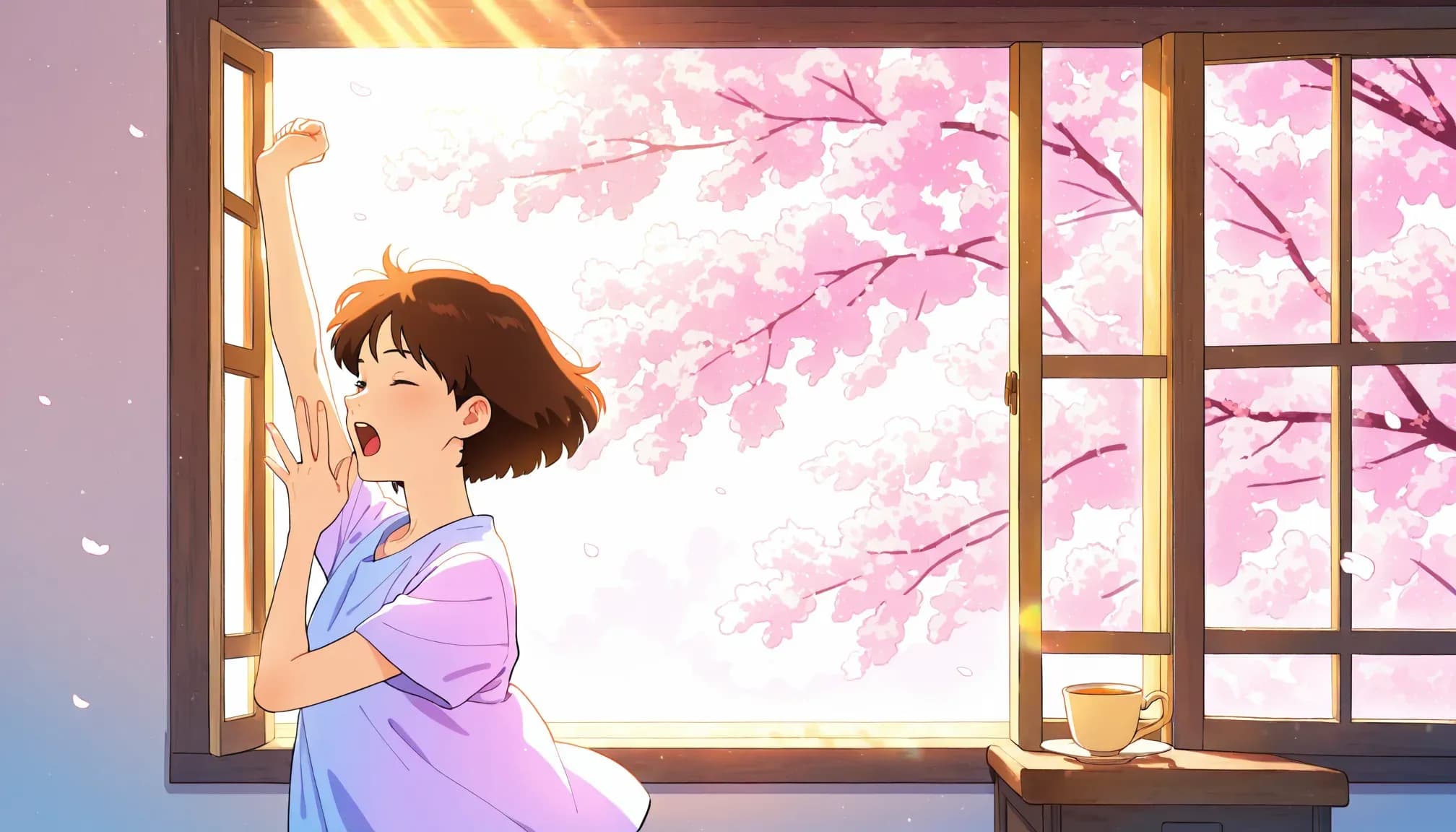
Do you wake up tired even after eight hours of sleep? Do you feel your energy draining away for no clear reason, even though your lab work comes back perfect? Constant fatigue with no apparent cause is one of the most common complaints in both conventional medicine and Traditional Chinese Medicine (TCM), and one of the most frustrating for the person living with it: you're told you're "fine," but you know you're not. In this article we walk you through what may be behind that persistent fatigue, why it is essential to rule out medical causes first, and how Chinese medicine and acupuncture understand and approach this kind of exhaustion that doesn't show up on lab reports.
First Things First: Rule Out Medical Causes
Before looking for any alternative explanation, persistent fatigue should be checked by your doctor. Fatigue can be a symptom of perfectly detectable and treatable problems: anemia, thyroid disorders, diabetes, sleep apnea, iron or vitamin B12 deficiencies, autoimmune diseases, lingering infections or depression, among many others.
The problem is that many people are told after a battery of tests that "everything is normal." And yet they remain exhausted. This scenario, which is more common than it seems, doesn't mean the fatigue is imaginary. It means standard tests aren't capturing what is going on. This is where, once medical causes have been ruled out, Traditional Chinese Medicine can offer a complementary perspective and useful support. Never as a substitute for your doctor, but as an additional lens that pays attention to things a blood test doesn't measure: sleep quality, digestion, pace of life, emotional state and the subtle signals of the body.
How Chinese Medicine Understands Persistent Fatigue
Traditional Chinese Medicine starts from a central idea: the body works thanks to a vital energy that circulates through it, and health depends on that energy being sufficient and flowing in balance. When we talk about fatigue in this framework, we aren't talking only about "being tired" as an isolated sensation, but about a broader imbalance that affects how the body produces, stores and spends its energy.
From this perspective, energy is not a bottomless tank. Every day we spend it on work, mental effort, worries, stress, lack of sleep or irregular eating, and we replenish it by resting, eating well and living at a pace the body can sustain. When, for months or years, spending outpaces recovery, the body starts running "on reserve." That feeling of always having the tank at its limit is, in essence, what many people describe when they say they are tired "for no reason."
The Signs That Accompany Fatigue
What is interesting about this view is that fatigue rarely comes alone. A person with depleted energy often shows other clues as well: sleeping poorly or waking in the middle of the night, heavy digestion or a fickle appetite, constantly cold hands and feet, brain fog, difficulty concentrating, low mood or irritability, and even a greater tendency to catch colds. For Chinese medicine, all these symptoms are not separate problems but different expressions of the same imbalance. That is why, instead of treating fatigue as an isolated symptom to be "switched off," the aim is to understand each person's complete picture and support the body in regaining its balance.
The Silent Wear and Tear of Modern Life
In this tradition, some habits drain energy in an especially quiet way: working long hours without real breaks, eating in a hurry and at irregular times, chronically sleeping too little or too poorly, living with constant worry, exercising too much when the body is already exhausted, or spending the whole day in front of screens without ever truly disconnecting. None of these habits is exhausting on its own in a single day, but sustained over years they take their toll. Fatigue with no apparent cause is often, in reality, the sum of many small causes that no one has looked at together.
Can Acupuncture Help With Chronic Fatigue?
Acupuncture is the best-known technique of Traditional Chinese Medicine. It involves inserting very fine needles at specific points on the body with the aim of promoting balance and the proper functioning of the organism. The World Health Organization recognizes it as a widespread traditional practice, and there is ongoing scientific research into its effects, among other areas, on fatigue.
In the case of persistent fatigue, people who come for acupuncture usually describe several noticeable effects: deeper, more restorative sleep, a general feeling of relaxation after sessions, improved digestion and a gradual recovery of energy. It's important to be honest: acupuncture is not a magic switch, and it doesn't replace rest, good nutrition or medical treatment when it is needed. What it can do is help the body step out of the state of alertness and constant exhaustion in which many people are stuck, and which keeps them from recovering even when they rest.
Many people with chronic fatigue live with their nervous system in permanent tension, as if the body were always "on" even while they sit still. In that state, sleep doesn't fully restore and rest doesn't rest. The deeply relaxing effect that many people experience with acupuncture is, precisely, one of the ways it can be useful as a complement in these cases.
Acupressure for Exhaustion and the Mid-Afternoon Slump
Between sessions, three points can serve as a small boost when your energy drops:
Zusanli (ST36), four finger-widths below the kneecap and one finger-width outward from the shinbone. It is the classic point for physical exhaustion. Press firmly for one or two minutes per leg, preferably in the morning.
Baihui (GV20), at the top of the head. A few gentle taps with your fingertips for half a minute clear your head when it clouds over after eating.
Yongquan (KI1), on the sole of the foot, in the hollow that forms in the front third when you curl your toes. Rubbing it until it feels warm, while seated, is a traditional gesture for regaining strength.
If what you notice is mostly muscle fatigue after exercise, the approach is different, closer to sports acupuncture. And if daytime sleepiness is intense, you fall asleep without meaning to, or you've been told that you snore and stop breathing, mention it to your doctor: there may be sleep apnea behind it, and in that case no point replaces a diagnosis.
Habits to Regain Your Energy: Rest and Nutrition
No therapy works well if daily habits pull in the opposite direction. From both Chinese medicine and plain common sense, regaining energy requires reviewing two pillars: how you rest and how you eat.
Truly Resting
Sleeping many hours doesn't always mean resting well. Here are some simple guidelines in line with the Chinese view of rest:
Go to bed before midnight whenever you can. The first hours of the night are the most restorative.
Keep regular hours, weekends included. The body appreciates routine.
Turn off screens at least half an hour before bed. Light and mental stimulation delay deep sleep.
Build real breaks into your day. Ten minutes of calm between tasks are worth more than an entire weekend spent trying to "recover" what you spent during the week.
Match your exercise to your condition. If you're exhausted, walking or gentle movement restores more than high-intensity training.
Eat to Give Energy, Not to Drain It
In the Chinese tradition, digestion is the engine that turns food into energy available for everyday life. If that engine runs poorly, you can eat plenty and still have no energy. Some practical ideas:
Prioritize warm, cooked meals, especially in the colder months and if you tend to have slow digestion or feel cold. Soups, stews, purées and lightly sautéed dishes sit better than an excess of raw, cold foods.
Eat a substantial breakfast. Starting the day with only coffee is asking the body for energy it has nowhere to get.
Eat at regular times and without rushing. Eating in front of the computer or standing up stresses digestion.
Moderate sugar, ultra-processed foods and cold drinks, which give energy spikes followed by crashes.
Stay well hydrated, preferably with room-temperature or warm water.
When to See a Professional
If you have been dealing with fatigue for more than two or three weeks that isn't explained by your pace of life, or if it is getting worse or comes with weight loss, fever, pain, palpitations or significant changes in mood, see your doctor without delay. Fatigue is a symptom that deserves to be taken seriously. Once medical causes have been ruled out, acupuncture and Traditional Chinese Medicine can be a good complement for regaining your energy gradually and steadily.
Frequently asked questions
Is chronic tiredness the same as chronic fatigue syndrome?
No. Chronic fatigue syndrome (also called myalgic encephalomyelitis) is a recognized disease with specific diagnostic criteria, and it must be evaluated by a doctor. Persistent tiredness with no clear cause is a much broader and more common situation, which may be due to pace of life, stress or imbalances that tests don't detect. In any case, medical evaluation is the first step in both scenarios.
How many acupuncture sessions does it take to notice improvement?
It depends on the person and on how long they have been dragging exhaustion along. Some people notice improvements in sleep or relaxation from the first sessions; in other cases recovery is more gradual. A qualified professional will assess your situation and advise you on the approximate frequency and duration of treatment.
Can acupuncture replace medical treatment?
No. Acupuncture and Traditional Chinese Medicine are a complement, never a substitute for medical care. If you take medication or are following a treatment, don't stop it without talking to your doctor.
Could fatigue with no apparent cause just be stress?
Sustained stress is one of the most frequent causes of persistent fatigue, although it is rarely the only factor. It usually combines with poor rest, irregular eating and a lack of breaks. That is why the most effective approach is usually a comprehensive one: reviewing habits, learning to manage stress and, if you wish, adding complementary support such as acupuncture.
What can I do today to start regaining energy?
Three simple steps: go to bed earlier tonight, include one warm, home-cooked meal in your day, and give yourself ten screen-free minutes of downtime. Small but sustained is how energy comes back.
In Summary
Constant fatigue with no apparent cause is neither imaginary nor something you should accept as normal. Rule out any medical cause with your doctor first, and if your tests come back fine but the fatigue continues, Traditional Chinese Medicine offers a complementary perspective that understands exhaustion as a global imbalance, along with tools such as acupuncture, conscious rest and mindful eating to regain your energy step by step. If you recognize yourself in what you've read, look for a qualified professional in acupuncture and Chinese medicine who can assess your case individually: your body has been asking for attention for a while, and listening to it is the first step toward feeling well again.