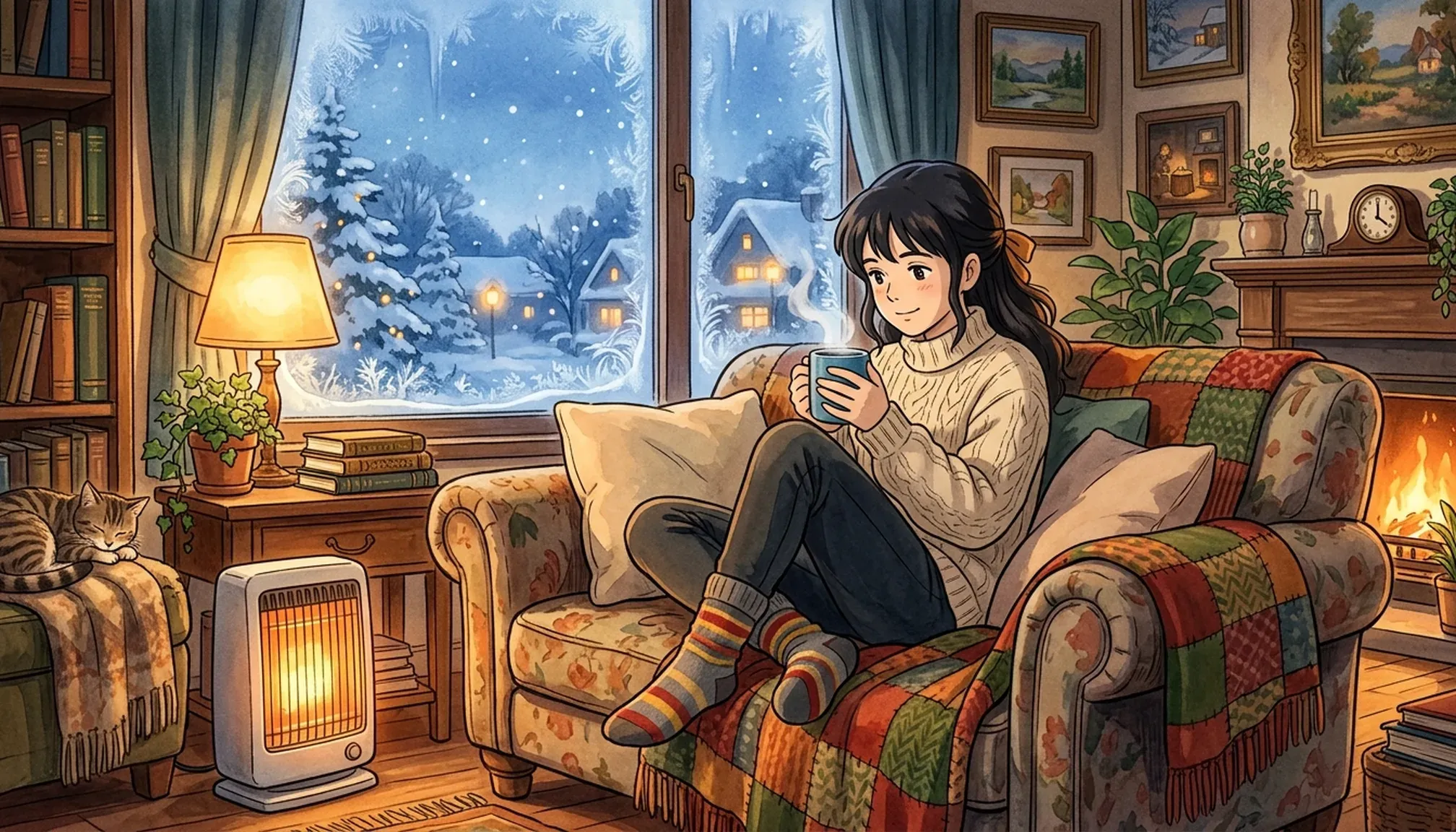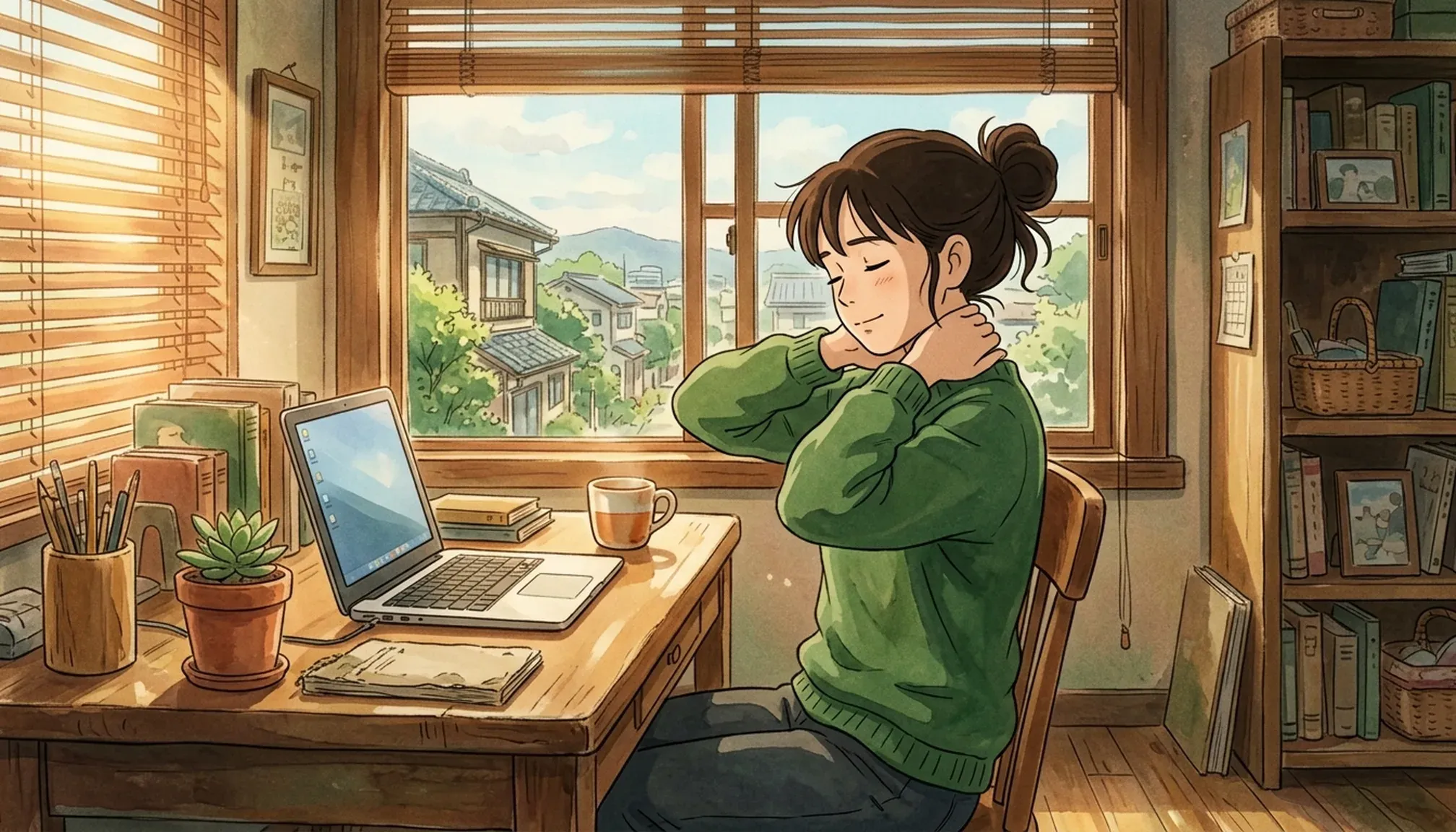
It has probably happened to you: you step into a store with the air conditioning blasting in the middle of August, and a little while later your neck feels stiff. Or fall arrives and, with the first drop in temperature, you come down with the season's first cold. Temperature changes affect your body far more than we tend to think, and Traditional Chinese Medicine (TCM) has spent centuries observing and explaining exactly this phenomenon. In this article we explain why sudden temperature changes make us feel unwell, how Chinese medicine understands them, and what you can do to adapt better in your daily life.
Why do sudden temperature changes affect us so much?
Our body is designed to keep a stable internal temperature, around 97.7–98.6 °F (36.5–37 °C). To achieve this, it constantly runs adjustment mechanisms: it widens or narrows blood vessels, turns sweating on or off, changes the breathing rate… It is quiet work, but demanding.
The problem appears when the change is sudden or very frequent. Going from the sweltering heat outside into a room air-conditioned to 68 °F (20 °C), sleeping with the window open on a cold night, or heading out underdressed in the middle of a change of season forces the body into a constant effort to adapt. And that effort has consequences that almost all of us have experienced:
Muscle knots and stiffness, especially in the neck, shoulders, and back. Cold or a direct draft makes muscles contract reflexively to protect themselves, and if that tension persists, discomfort sets in.
Colds, congestion, and sore throats. Drafts and temperature changes dry out and irritate the mucous membranes, which are the first line of defense of the respiratory tract.
Fatigue and a feeling of exhaustion. Adapting over and over to very different environments uses up energy, and the body notices.
Headaches, often related to direct exposure to air conditioning or cold drafts.
Digestive discomfort, because environmental cold can also affect how we feel after eating.
It is no coincidence that so many people "catch a chill" just when the season changes or in summer, the air-conditioning season. The body needs time and resources to adapt, and sometimes it doesn't get enough.
The Chinese medicine view: the body in balance with its surroundings
Traditional Chinese Medicine starts from an idea that is both simple and profound: human beings are not isolated, but part of nature. What happens outside —cold, heat, wind, dampness— is reflected inside the body.
From this perspective, health depends on the body's vital energy flowing smoothly and in balance. External climate factors can interfere with that flow when they are intense, sudden, or when the body is weakened (by fatigue, stress, poor rest, or poor diet). That is when discomfort appears: cold, for example, is associated with contraction and slowness; if it penetrates the body, energy and Blood circulate with more difficulty, and stiffness, pain, and a feeling of being "cramped up" arise.
Why some people notice it more than others
You surely know someone who catches a cold the moment a draft hits them, while other people seem immune. TCM explains this through each person's defensive capacity: when our defensive energy is strong, the body adapts to environmental changes without trouble. But if we are tired, stressed, sleeping poorly, or going through a period of wear and tear, that "protective layer" weakens and external factors affect us much more easily.
That is why Chinese medicine places so much emphasis on everyday self-care: it is not only about avoiding cold, but about keeping the body strong and balanced enough that environmental changes don't overwhelm us.
The change of season, a delicate moment
Spring and fall are, for TCM, transition periods in which the body needs to adjust to a new rhythm: the hours of daylight, the temperature, and the humidity all change. It is common to feel more tired, sleep worse, or notice old aches coming back. This doesn't mean there is an illness, but that the body is making an extra effort to adapt. Taking a little more care during those weeks —resting well, eating appropriately, dressing in layers— helps make the transition much smoother.
Tips for adapting better to temperature changes
The good news is that there are many simple things you can do in your daily life to protect yourself from sudden temperature changes and help your body keep its balance.
1. Be careful with air conditioning and drafts
Avoid standing right under or in front of a cold-air vent, especially if you are sweating or your skin is damp. In summer, the air doesn't need to be arctic: a moderate difference from the outdoor temperature is enough to be comfortable and much less harsh on the body. In the car, aim the vents away from your neck and back. And always carry a light jacket or a neck scarf for when you enter heavily cooled spaces: movie theaters, supermarkets, offices.
2. Dress in layers during changes of season
In spring and fall, the temperature can vary a lot between morning and midday. Dressing in layers lets you adjust without being either cold or hot. Pay special attention to sensitive areas such as the neck, the lower back, and the feet: keeping them warm goes a long way toward preventing muscle knots and colds.
3. Don't sleep in a draft
Sleeping with the window open when it gets chilly, or with a fan pointed directly at your body, is one of the most common causes of neck tension and of those mornings when you wake up with a "stuck neck." Air out the bedroom before going to bed and keep the air from blowing directly on you while you sleep.
4. Eat according to the season
Chinese medicine attaches great importance to adapting your diet to the climate. In cold seasons it is best to favor hot dishes, cooked foods, soups, and stews; in summer, lighter and cooler meals, but without overdoing ice-cold foods, which can also "put out" digestive energy. Drinking room-temperature or warm water instead of very cold water is a simple habit that many people notice right away, especially in winter and during changes of season.
5. Look after your rest and your stress level
As we have seen, the body's ability to adapt to its surroundings depends largely on how strong it is. Getting the sleep you need, keeping as regular a daily rhythm as possible, and managing stress are not empty advice: they are the foundation for your natural defenses to work well, so that temperature changes don't take their toll on you.
6. Move regularly
Gentle, steady movement —walking, swimming, stretching, tai chi, yoga— keeps circulation active and muscles flexible, which makes the body more resistant to cold and drafts. One caveat: after exercising, dry off your sweat and cover up before exposing yourself to cold air.
How can acupuncture help?
When temperature changes have already taken their toll —muscle knots that won't go away, colds that return every season, persistent fatigue—, acupuncture can be a good complement. The World Health Organization recognizes acupuncture as a traditional practice, and research is ongoing into its effects on various complaints.
From the TCM perspective, the goal of treatment is to promote the free flow of energy and Blood, help the body release accumulated tension, and strengthen its capacity to adapt to its surroundings. Many people come in when the cold starts or when they notice that every draft leaves their neck or back tight, and they find in the sessions help both in easing discomfort and in feeling more energetic and resilient.
That said: acupuncture is a complement, never a substitute for medical care. If you have intense or persistent symptoms, the first step is to see your doctor.
Acupressure, acupuncture, and auricular therapy for body temperature
There are two different situations that are best not to mix up: the feeling of heat or cold that comes with changes in the weather, and an actual fever. A fever is a response of the body that has a cause, and that cause has to be evaluated by a doctor. What Chinese medicine can offer is support to help you feel better in the meantime, never a way to cover up a symptom that is warning you of something.
Acupuncture points to lower body temperature according to tradition
In Chinese medicine, excess heat is understood as an imbalance in which yang, the active and warm part of the body, predominates over yin, the part that cools and nourishes. The classical texts associate certain points with "clearing heat" and releasing the surface of the body when an external factor, such as cold or wind, has entered it. The most frequently cited are Dà Zhuī (GV14), at the base of the neck, just below the vertebra that sticks out most when you tilt your head forward; Qū Chí (LI11), at the end of the elbow crease when you bend your arm; Hé Gǔ (LI4), on the back of the hand, between the thumb and index finger; and Wài Guān (TE5), on the outer side of the forearm, about three finger-widths above the wrist crease. In the clinic, the practitioner combines them according to what they observe in each person; there is no single recipe that works for everyone.
Acupressure to lower body temperature: how to do it at home with care
If your body feels overheated after sun exposure, or you have that chilled, out-of-sorts feeling that comes with a cold, you can gently press Qū Chí (LI11) and Hé Gǔ (LI4) for one or two minutes on each arm, using slow circular movements and breathing calmly. It should not hurt. Avoid Hé Gǔ (LI4) if you are pregnant, because tradition advises against it during pregnancy. And remember that acupressure does not replace drinking fluids, resting, and following your doctor's instructions if you have a fever.
When the problem is the opposite, a low body temperature with hands and feet that are always cold, Chinese medicine speaks of a lack of yang and turns to points that tonify, such as Zú Sān Lǐ (ST36), four finger-widths below the knee, on the outer side of the shinbone, or Guān Yuán (CV4), on the midline of the abdomen, below the navel, often warmed with moxa in the clinic.
Auricular therapy and body temperature
Auricular therapy stimulates specific areas of the ear, which according to this technique reflect the rest of the body. It is often used as a complement in the clinic, with seeds or small beads stuck on the ear that the person presses at home. Whether the problem is a high or a low temperature, the choice of areas depends on an individual assessment, so it is better done by a trained professional.
Chinese medicine remedies for body temperature
Beyond the points, the most useful remedies in Chinese medicine are habits: cooling foods such as cucumber, watermelon, or green tea when there is too much heat, and broths, ginger, or cinnamon when cold predominates. Traditional herbs and formulas are also used, but they should always be prescribed by a professional, because the same herb can help one person and not suit another, and they can interact with medications.
Frequently asked questions
Is it bad to sleep with the air conditioning on?
It isn't bad in itself if used in moderation, but it is advisable that the air not blow directly on your body and that the temperature not be too low. Ideally, cool the room before going to bed and set the unit to turn off or raise the temperature during the night.
Why do I always get tight in the neck and shoulders?
The neck and shoulders are very exposed to drafts and very sensitive to cold. They also build up a lot of tension from stress and poor posture, which makes them even more vulnerable. Protecting them from direct cold and looking after your daily tension usually makes a big difference.
Why do I catch a cold right when the season changes?
During changes of season, the body makes an extra effort to adapt: temperature, humidity, and hours of daylight all vary. If you also arrive tired or short on rest, your natural defenses drop and it is easier for a sore throat, congestion, or colds to appear.
Does acupuncture help with muscle knots caused by cold or drafts?
Acupuncture is commonly used as a complement to ease muscle knots and tension, including those that appear after exposure to cold or drafts. Many people notice relief and greater mobility after the sessions. If the pain is intense or doesn't improve, always see your doctor.
Is it true that drinking cold water can upset your stomach?
Chinese medicine recommends not overdoing very cold drinks and foods, especially in cold seasons or if you have a sensitive digestive system, because they can "chill" and slow down digestion. Drinking room-temperature or warm water is a simple habit that many people find beneficial.
Does acupuncture help lower body temperature when there is a fever?
Acupuncture does not replace medical treatment for a fever. In the Chinese tradition, points such as Dà Zhuī (GV14) or Qū Chí (LI11) are used to support states of heat, and some people report feeling more relief, but a fever has a cause that a doctor must evaluate, especially if it is high, lasts more than a few days, or appears in children, older adults, or pregnant women.
Are there scientific studies on shiatsu, acupressure, and body temperature?
There is research on acupressure and shiatsu, techniques that work the same points with finger pressure, but studies on their effect on body temperature are still scarce and limited. The honest approach is to see them as an aid for relaxing and feeling better, not as a proven method for regulating temperature.
Take care of your balance with your surroundings
Temperature changes are part of life, but they don't have to take their toll on you every season. With a few simple habits of protection and self-care, your body can adapt much better to cold, heat, and drafts. And if you feel that muscle knots, repeated colds, or fatigue have become part of your routine, seeing a qualified professional in acupuncture and Traditional Chinese Medicine can help you restore your balance in a natural, personalized way.