If you've ever heard of tuina massage and wondered how it differs from an ordinary relaxation massage, this article is for you. Tuina is one of the oldest manual therapies in the world, with thousands of years of history within Traditional Chinese Medicine (TCM), and today it is practiced in clinics in many countries as a complementary therapy to relieve tension, improve mobility, and support overall well-being. Below we explain, in plain language, exactly what it is, which techniques it uses, what situations it is applied for, and what you can expect if you decide to try a session.
What is tuina massage?
Tuina (pronounced "tway-nah" and sometimes written tui na) is the traditional therapeutic massage of China. Its name comes from two fundamental techniques of the discipline: tui, which means to push, and na, which means to grasp. These two movements sum up the essence of the method: working the body with the hands in a vigorous, directed way, with a specific goal, and not only for relaxation.
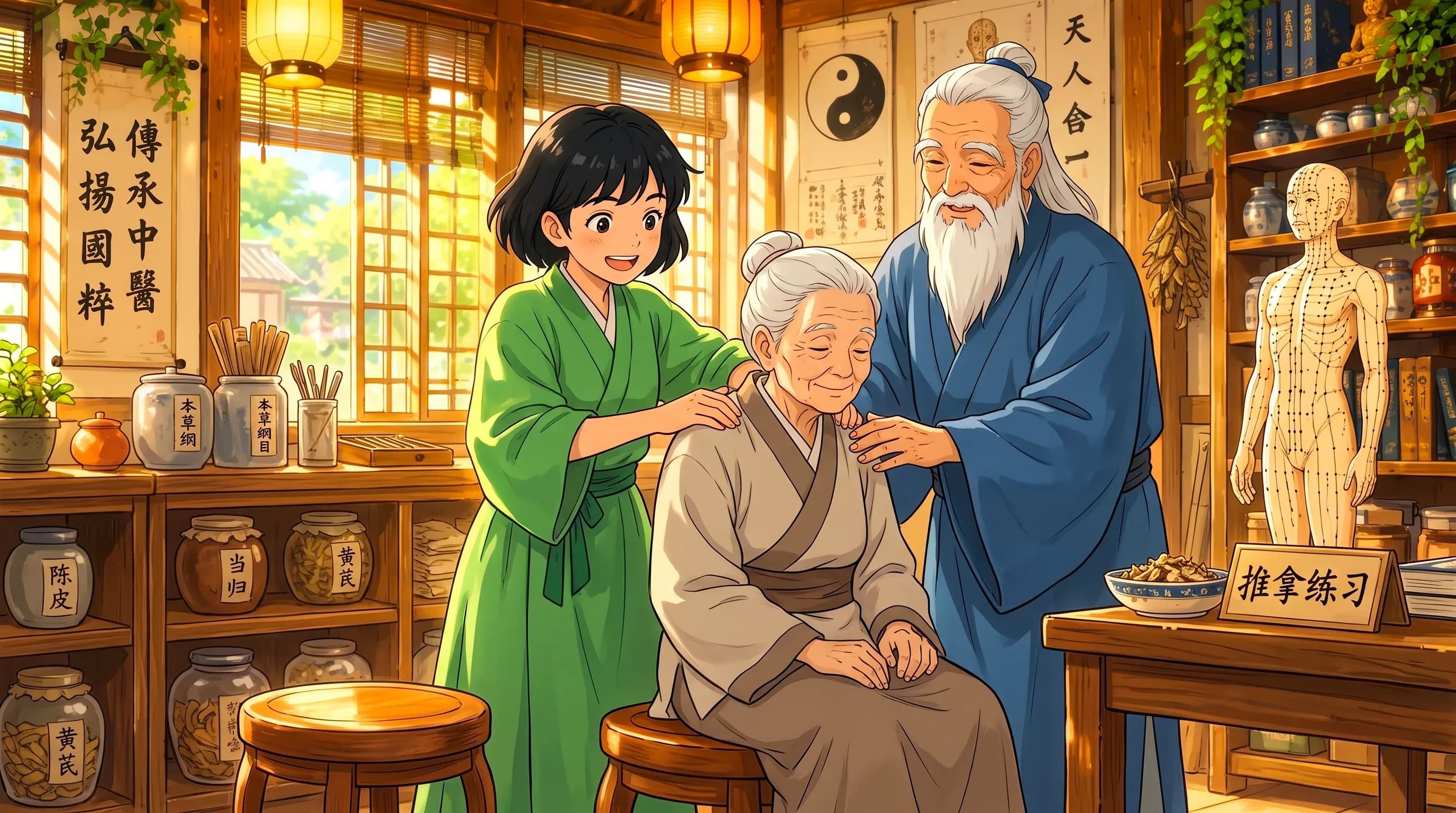
Together with acupuncture, Chinese herbal medicine, qi gong, and dietary therapy, tuina is part of the toolkit of Traditional Chinese Medicine. In fact, hospitals in China commonly have tuina departments that treat musculoskeletal problems, sports injuries, or functional disorders, always as part of a comprehensive approach to health.
The idea behind it is simple to grasp even though it comes from another culture: in the Chinese view, health depends on energy and blood circulating freely through the body. When that circulation slows down or becomes blocked—through muscle tension, poor posture, stress, or a blow—discomfort, stiffness, or a feeling of heaviness appears. Tuina works on muscles, joints, and reflex areas to help restore that flow and the body's overall balance.
How is tuina different from a Western relaxation massage?
This is probably the most common question from people approaching tuina for the first time. Although both are done with the hands on the body, there are important differences worth knowing before you book a session.
A therapeutic intention, not just relaxation
A Western relaxation massage (a gentle Swedish massage, for example) aims above all to help you unplug, reduce stress, and produce a pleasant feeling of calm. Tuina can also be relaxing, but its main goal is therapeutic: it is approached as a treatment aimed at resolving or improving a specific complaint, whether that is a muscle knot, a stiff neck, limited range of motion, or a general state of accumulated tension.
An assessment first
Before starting, the tuina therapist carries out an assessment: they ask about your complaints, observe your posture, palpate the affected areas, and may ask about your sleep, your energy level, or your digestion. Based on that information, they decide which areas to work on and with which techniques. It is not a standard massage that is the same for everyone: each session is adapted to the person and to what they need that day.
A more vigorous and varied way of working
Tuina uses a broader repertoire of manipulations than a relaxation massage, and they are often more intense. It is also usually done over clothing or with a thin sheet, often without oils, which is convenient for people who prefer not to undress. The pressure can be firm and deep, always adjusted to each person's tolerance.
Which techniques are used in a tuina session?
The tuina therapist masters a wide range of manual manipulations. Here are some of the most common, explained in plain language:
Pushing and gliding (tui): long, firm movements along a muscle or an area of the body that help mobilize the tissues and promote circulation.
Grasping and kneading (na): taking the muscle in the hand, gently lifting it, and kneading it—very effective for releasing knots in the neck, shoulders, and back.
Finger and thumb pressure: sustained pressure on specific points of the body, a technique similar to acupressure, applied along the same pathways acupuncture uses, but without needles.
Rolling and vibration: the therapist uses the back of the hand or the forearm to roll the hand over the back, or applies small, rapid vibrations that relax the muscles deeply.
Joint mobilizations: gentle, controlled movements of the shoulders, neck, hips, or spine to gain range of motion.
Stretching and traction: assisted stretches that help release compressed joints or shortened muscles.
Not every technique is used in every session. The therapist combines the most suitable ones according to your case, your constitution, and your sensitivity.
What is tuina massage used for?
Tuina is used as a complementary therapy in a wide variety of situations, mostly related to the musculoskeletal system and general well-being. These are the most common:
Muscle tension and knots
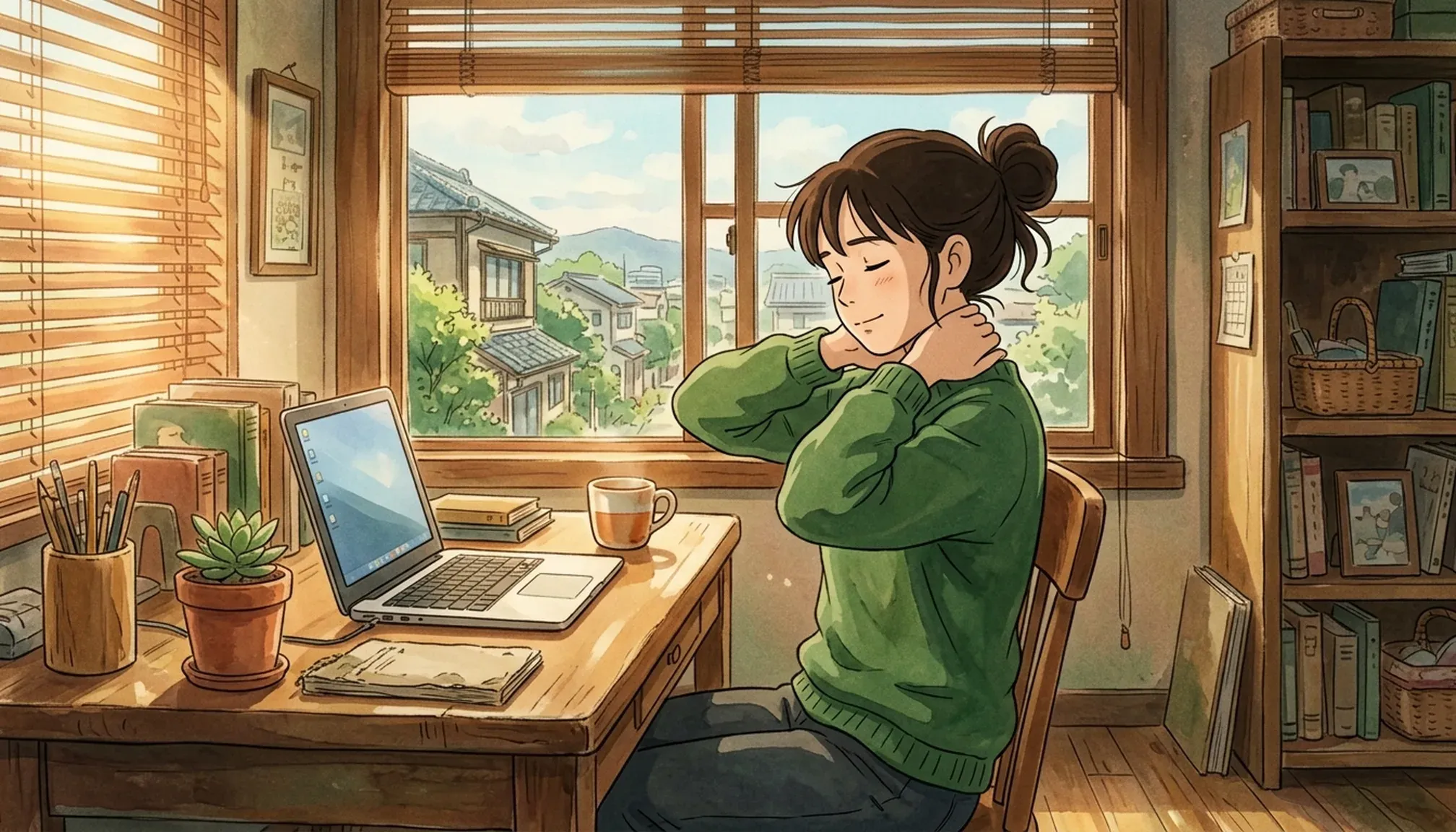
A tight neck, tense shoulders, a knotted upper back… these are the daily bread of anyone who spends long hours sitting or under stress. Tuina is especially valued for releasing this kind of tension, because it combines kneading, pressure, and stretching in a very complete way.
Mobility and flexibility
If you notice stiffness when turning your neck, bending down, or moving a shoulder, the mobilization and stretching work in tuina can help you regain range of motion. It is also common among athletes, both for muscle recovery and for keeping the body in good condition.
General well-being and stress management
From the perspective of Chinese medicine, body and mind are connected. A tuina session doesn't just work the muscle: many people describe a feeling of lightness, better sleep at night, and a marked sense of calm after the treatment. That is why it is also used as support during periods of stress, fatigue, or nervousness.
Other common uses
In traditional clinical practice, tuina is also used as a complement for mild digestive complaints, tension headaches, or general fatigue. That said, it is important to remember that tuina does not replace medical care. If you have pain that is persistent, severe, or not improving, see your doctor first to rule out any problem that requires conventional diagnosis or treatment.
What does a tuina session feel like?
People who have never tried it often imagine a soft, enveloping massage. The reality is somewhat different, and it helps to know that so you aren't caught off guard.
When you arrive, the therapist will ask a few brief questions about your health and your complaints, and will observe the areas to be treated. You will normally lie on a treatment table, wearing comfortable clothing or covered with a sheet, depending on the area being worked on.
During the session you will feel firm pressure, intense kneading, and, at some moments, a "good pain" sensation when working on a particularly loaded spot. It is not a harmful pain, but the familiar sensation of anyone who has had a deep massage: it hurts a little, yet at the same time it relieves. It is essential that you communicate with the therapist: if the pressure is too much, say so without hesitation, because the intensity can be adjusted at any moment.
You may also feel warmth in the treated area, as a result of the activation of local circulation, or certain manipulations may cause small joint clicks during the mobilizations, which is common and harmless when performed by a professional.
After the session, the most common experience is a feeling of relief, lightness, and relaxation. Some people notice slight tiredness or mild soreness the next day, similar to that after moderate exercise; this is a normal reaction that disappears within a short time. Drinking water and avoiding strenuous effort right afterward helps prolong the effects.
How many sessions are needed?
It depends on each case. A recent, isolated bout of tension can improve a great deal with one or two sessions, while complaints that have lasted months or years usually call for a short course of treatments, spaced according to progress. The therapist will advise you on a reasonable number of sessions after the first assessment, with no rigid commitments: the idea is for you to notice gradual, realistic improvement.
Frequently asked questions
Does tuina massage hurt?
It shouldn't be painful. Some techniques produce intense pressure or that "good pain" sensation over very tight areas, but the therapist adjusts the force to your tolerance. Always say what you feel so the session can be adapted.
Do I have to undress for a tuina session?
Generally, no. Tuina is usually done over comfortable clothing or a thin sheet, without the need for oils. Only some specific techniques may require working directly on the skin of a limited area.
Is tuina good for the back and neck?
It is one of its most common uses: neck knots, upper back tension, and lower back discomfort of muscular origin respond well to kneading, pressure, and mobilization. If you have severe or persistent back pain, or symptoms such as tingling or loss of strength, see your doctor first.
Which acupuncture points are worked in a tuina massage?
The same ones used in acupuncture, but with the fingers, knuckles, or elbow. Several have appeared for centuries on "all-purpose" point lists, such as Ma Danyang's twelve heavenly star points. In a back and neck session, Fengchi (GB20), at the base of the skull, and Jianjing (GB21), at the top of the shoulder, are common, along with the points that run alongside the spine. On the legs, Weizhong (BL40), behind the knee, and Zusanli (ST36); and on the hands, Hegu (LI4). The therapist doesn't press them in isolation, but integrates them into the massage, lingering on the ones that feel tightest. If you want to make use of one at home, Jianjing and Hegu are the easiest to reach yourself.
Can anyone receive tuina?
Most people can benefit from it, but there are situations that call for caution: pregnancy, recent injuries, fractures, significant circulatory problems, or skin conditions in the area to be treated. Always tell the therapist about your health status before the session.
How is tuina different from acupuncture?
Both belong to Traditional Chinese Medicine and share the same view of the body, but tuina works with the hands, without needles, through pressure, kneading, and mobilization. In fact, many people who don't want needles find tuina an excellent way to approach this tradition.
Conclusion
Tuina massage is much more than a massage: it is a manual therapy with centuries of tradition, aimed at relieving tension, improving mobility, and supporting the body's overall balance. If you feel you are carrying stiffness, stress, or muscle discomfort, it can be a natural and pleasant way to take care of yourself. That said, always go to a qualified therapist with accredited training who will assess your case individually, and remember that tuina is a complement to conventional medicine, never a substitute: for any persistent or worrying symptom, see your doctor first.