You've probably seen someone on social media gliding a polished stone across their face lately. What you may not know is that gua sha, the Chinese scraping technique behind the trend, has been used for centuries in Traditional Chinese Medicine to ease muscle pain, improve circulation, and help the body regain its balance. In this article, we explain exactly what gua sha is, what tools are used for it, how the therapeutic treatment differs from the cosmetic facial version you see everywhere today, what the characteristic redness it leaves on the skin means, and what it is used for in clinical practice.
What is gua sha and where does it come from?
Gua sha is a manual Traditional Chinese Medicine technique that involves scraping the skin with a smooth, rounded-edge tool, applying pressure and making repeated strokes in a specific direction. The name comes from Chinese: gua means "to scrape" or "to rub," and sha refers to the redness that appears on the skin after treatment.
Its origins go back centuries in China and other parts of Southeast Asia, where it was part of folk medicine: families commonly practiced it at home to relieve back pain, a stiff neck, or the first symptoms of a cold. Over time, the technique made its way into the professional practice of Traditional Chinese Medicine, alongside other tools such as acupuncture, cupping, and massage.
From the perspective of Chinese medicine, scraping helps move energy and blood in areas where circulation is sluggish or blocked, which in plain terms means easing tension, pain, and the feeling of heaviness. From a more Western point of view, repeated friction is understood to increase local blood flow, help muscles relax, and stimulate the tissues' natural recovery response.
What tools are used for gua sha?
One of the interesting things about gua sha is how simple its tools are. Traditionally, people used everyday objects with smooth edges, such as ceramic spoons, coins, or polished animal horn. Today, practitioners use instruments made specifically for the technique, including:
Semiprecious stones, such as jade or rose quartz, especially popular for facial gua sha because of their cool, pleasant feel.
Water buffalo horn, one of the classic materials in therapeutic practice, prized for how gentle it feels on the skin.
Wood, bone, or hard resins, with ergonomic shapes that fit different areas of the body.
Stainless steel, increasingly used in modern therapeutic settings because it is easy to sanitize.
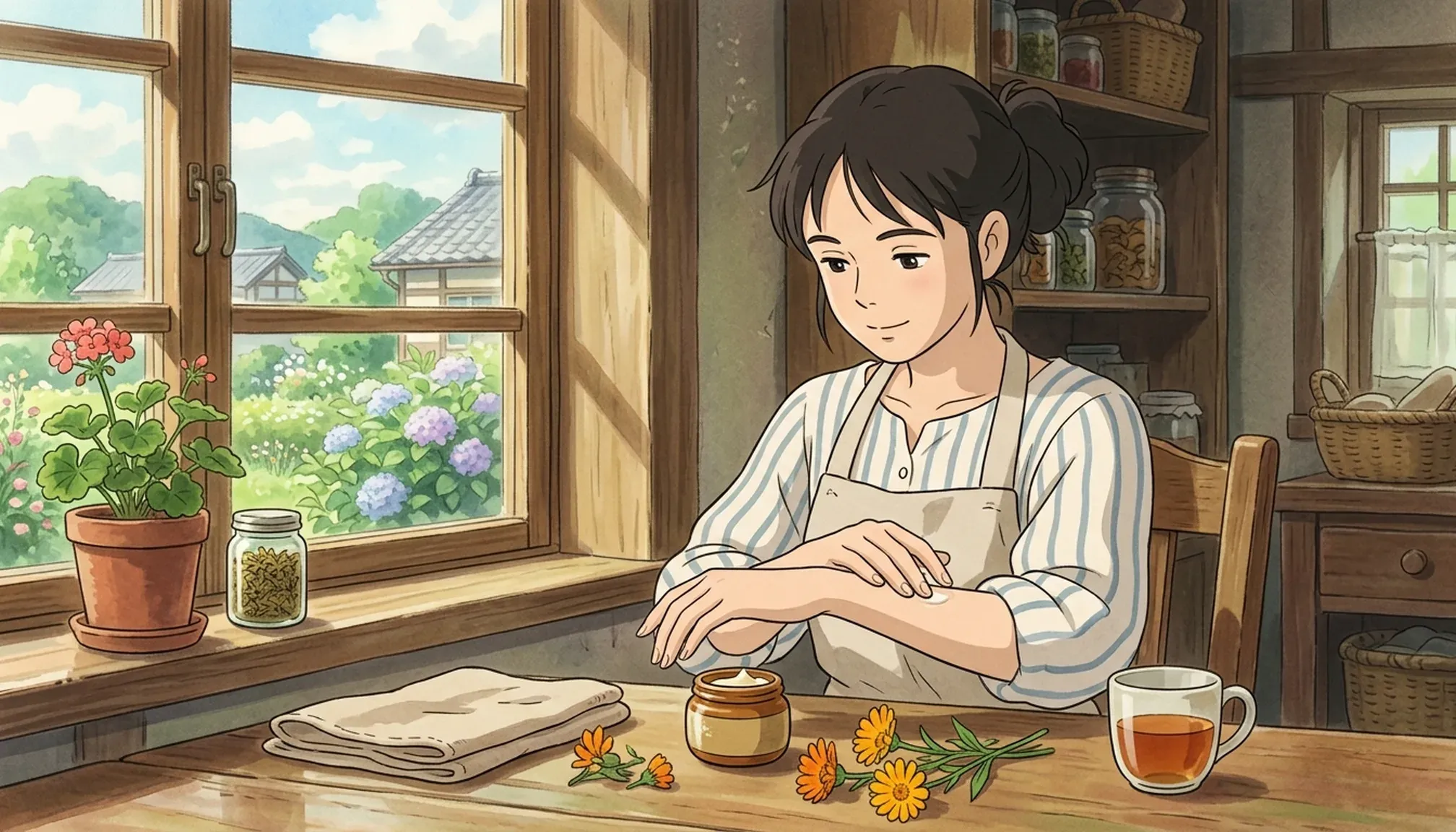
These tools are usually shaped like a plate with different edges—curved, straight, or notched—to suit areas such as the back, shoulders, legs, or face. Before scraping, the practitioner applies an oil or cream to the skin so the tool glides without damaging it. It's important to stress that, even though this is a scraping technique, the skin is not broken: the edge of the tool is smooth, and the pressure is adjusted to each person.
Therapeutic body gua sha vs. cosmetic facial gua sha
A very common confusion needs clearing up here, because two quite different practices exist under the same name.
Body gua sha: the classic technique
Therapeutic gua sha is the traditional version, the one that has been practiced in Asia for generations. It is applied mainly on the back, neck, shoulders, arms, and legs, with firm, repeated strokes. The pressure is moderate to strong, depending on the area and each person's tolerance, and the goal is to relieve muscle tension, improve mobility, and promote circulation. It's common for the characteristic redness we'll discuss below to appear after the session.
This is the gua sha that is part of Traditional Chinese Medicine treatments, often combined with acupuncture or cupping, and performed by a practitioner with specific training.
Facial gua sha: the cosmetic version
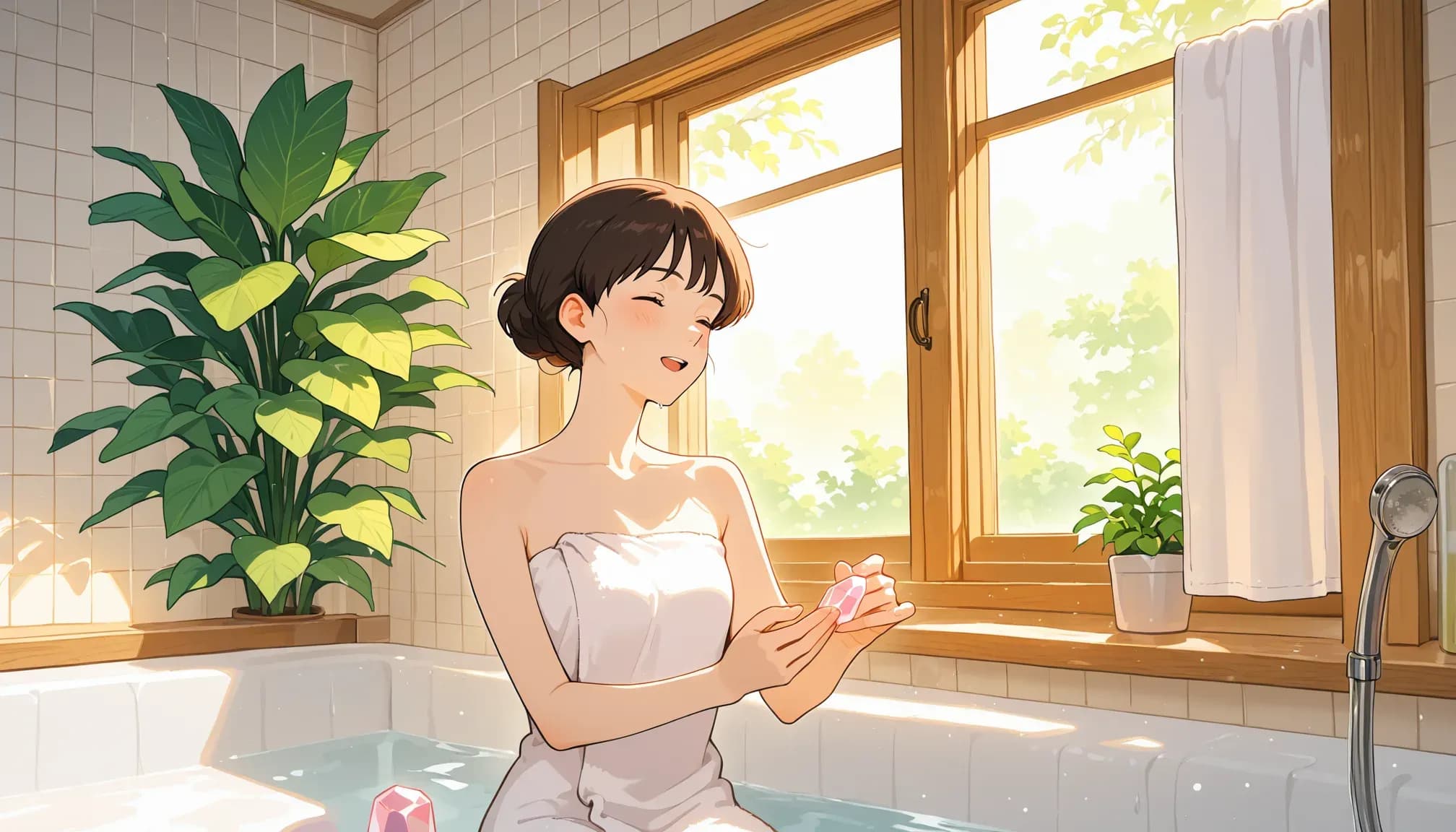
The facial gua sha that has taken off on social media is a gentle, cosmetic adaptation of the technique. It is done with small jade or quartz stones using very light pressure, and it aims to relax the facial muscles, encourage the drainage of retained fluids, and give the skin a brighter look. It shouldn't leave marks or intense redness: if it does, too much force is being used.
Although it can be a pleasant, relaxing self-care ritual, let's be realistic: its effects are temporary and cosmetic, not miraculous. No stone permanently removes wrinkles or replaces basic dermatological care.
What is the redness gua sha leaves behind?
One of the things that most impresses people watching a body gua sha session for the first time is the appearance of reddish or purplish patches on the skin, right where the tool has passed. That redness is precisely what the Chinese call sha.
It consists of small petechiae, meaning tiny spots of blood that rise to the surface because of the pressure and friction on the capillaries. Although it may look like a bruise, it isn't the same thing: it doesn't usually hurt to the touch the way a bruise does, and it disappears on its own within a few days, typically two to five, as the body reabsorbs those small deposits.
In the Chinese tradition, the amount and color of the sha are read as a sign of how much congestion there was in the treated area: the more pronounced it is, the more sluggish the local circulation had been. With successive treatments, the marks commonly become less intense, which is interpreted as an improvement. In any case, a good practitioner always tells you before the session that these marks may appear, asks about your tolerance, and avoids the technique in people who take anticoagulants, have clotting disorders, or have damaged skin.
What does gua sha do in the body?
This is one of the most common questions: it's clear that gua sha scrapes the skin, but what exactly does it do inside? It's worth answering from both perspectives, Chinese and Western, because they complement each other and help explain why so many people leave a session feeling as if a weight has been lifted.
What gua sha does according to Chinese medicine
In Traditional Chinese Medicine, a good share of pain and stiffness comes from stagnation: qi, the vital energy that this tradition says flows through the body, and blood stop circulating freely in an area, and what should be moving gets stuck. Gua sha works right there. The repeated strokes in a single direction "open" the surface of the body, clear the channels (meridians) through which energy flows, and allow what was held back to move again. The sha that appears would be the visible expression of that stagnation coming to the surface.
That is why scraping isn't done at random, but follows the paths of the meridians and passes over areas with reference points. On the neck, for example, the practitioner usually works over the region of Fengchi (GB20), the "Wind Pool," closely linked to neck stiffness and headaches; on top of the shoulder, over Jianjing (GB21), the "Shoulder Well," where a good part of the trapezius tension builds up; and at the base of the neck, over Dazhui (GV14), the "Great Hammer." The tradition also uses gua sha on the upper back, around Fengmen (BL12), the "Wind Gate," during the first days of a cold, when wind and cold are considered to have entered the body and it helps to drive them out.
What gua sha does from a Western perspective
From a physiological standpoint, the explanation is simpler. Sustained friction and pressure increase blood supply to the treated area, which brings warmth and can help a tight muscle relax. In addition, the intense stimulation of the skin seems to modulate pain perception, much like when you instinctively rub a spot you've just bumped. On top of this comes the relaxing effect of the session itself, which many people notice as a sense of calm and better sleep that night.
It's also worth stating clearly what gua sha doesn't do: it doesn't "draw out toxins" in the literal sense that is sometimes repeated, it doesn't realign bones, and it doesn't resolve an injury on its own. Its effects, although pleasant and often very useful for muscle pain relief, tend to be temporary and work best within a broader approach that includes movement, good posture habits, and, when needed, an evaluation by a physician or physical therapist.
What is gua sha used for?
In the clinical practice of Traditional Chinese Medicine, body gua sha is used mainly as a complement in situations such as:
Muscle knots and tension, especially in the neck, shoulders, and back, which are so common in people who spend many hours in front of a computer.
Muscle aches and stiffness, whether work-related or from sports.
Overuse and muscle recovery after physical exercise.
Heaviness or fatigue associated with poor circulation.
General discomfort, accumulated stress, and difficulty relaxing, given the calming effect many people experience during the session.
Scientific research on gua sha is ongoing, with results pointing to a possible benefit for musculoskeletal pain, although larger and more rigorous studies are still needed. That's why the responsible way to present it is for what it is: a traditional technique with centuries of use that can be a good complement within a wellness approach, but that never replaces medical evaluation or treatment. If you have pain that is persistent, severe, or not improving, the first step is to see your doctor to rule out causes that need specific attention.
What is a gua sha session like at a clinic?
If you've never tried gua sha, here's what you can expect. The session begins with a brief conversation in which the practitioner asks about your general health, your complaints, and any relevant circumstances, such as medication or skin problems. Then they apply an oil to the area to be treated and begin scraping with firm, continuous strokes, always telling you about the intensity and adjusting it to your sensitivity.
The sensation is a peculiar one: it can feel intense in areas carrying a lot of tension, but it shouldn't be excessively painful, and many people describe it as a gradual relief, similar to a deep massage. Afterward, it's common to feel warmth in the area, lightness, and a pleasant relaxation. For aftercare, we recommend keeping the area covered, avoiding cold drafts, cold showers, and intense exercise for the rest of the day, and drinking plenty of water.
Frequently asked questions
Does gua sha hurt?
It shouldn't. In areas with a lot of tension the pressure can feel intense, but the practitioner always adjusts the force to your tolerance. Most people describe it as a sense of relief similar to a deep massage.
How long do gua sha marks last?
The redness usually goes away on its own within two to five days, sometimes a little longer if it came out very pronounced. It needs no special care, other than not scratching or irritating the area.
Is the facial gua sha you see on social media the same as the therapeutic kind?
No. The facial version is a very gentle cosmetic form designed for skin self-care, while the therapeutic kind is a more intense clinical technique applied to the body for wellness and muscle relief.
What does gua sha do for the face?
Facial gua sha is applied with very light pressure, and what it mainly does is relax the muscles of the jaw and forehead and encourage the drainage of retained fluids, so the face may look less puffy and brighter for a few hours. It's a pleasant but short-lived effect that doesn't replace dermatological care.
What does gua sha do for the back and neck?
On the back, neck, and shoulders, body gua sha increases local circulation, helps release muscle knots, and usually leaves a feeling of warmth and lightness. According to Chinese medicine, it unblocks the stagnant qi and blood in the meridians of the area, which is why the sha is often most pronounced there.
Can everyone receive gua sha?
Not always. It is not recommended for people with clotting problems, people who take anticoagulants, people with injured or irritated skin in the area to be treated, and in certain circumstances such as pregnancy, where the practitioner will assess each case. Always check with a professional first.
Does gua sha replace medical treatment?
No. It is a complementary technique within Traditional Chinese Medicine. For any persistent or severe pain, or any symptom that worries you, see your doctor first.
Trust the hands of a professional
Gua sha looks simple, but applying it correctly requires knowledge of anatomy, of contraindications, and of the tradition behind it. If you'd like to try its benefits, see a qualified Traditional Chinese Medicine practitioner who will assess your case individually and give you an honest view of what this age-old scraping technique can do for your well-being.