When we think about bone health, calcium is usually the first thing that comes to mind: milk, supplements, bone density. And while all of that matters, Traditional Chinese Medicine (TCM) offers a broader and, in a way, more human perspective: bones are not inert structures that simply need minerals, but living tissue that reflects the vitality of the whole body. Understanding this view can open up new ways to look after your bones at any age. We'll walk you through it in plain terms.
Why talk about bones?
Bone health problems are one of the major public health concerns where we live. Osteoporosis, marked by a loss of bone density and strength, affects millions of people, especially women after menopause, and greatly increases the risk of fractures. Even if you don't have it yourself, chances are it hits close to home: a fall your mother took, a grandmother's stooped back, an osteopenia result on a routine blood test.
What conventional medicine makes very clear, and the evidence supports, is that bone stays strong through a combination of factors: a diet with enough calcium and vitamin D, weight-bearing exercise, avoiding tobacco and alcohol, and regular checkups when there are risk factors. From there, Traditional Chinese Medicine adds its own perspective.
The Chinese medicine view: bone as a reserve of vitality
In the Chinese tradition there is a key concept that every acupuncturist uses daily in practice and that is worth knowing, because it gives meaning to everything that follows. It is an idea we might translate as "vital essence": a fundamental reserve of energy that we inherit from our parents and that we spend, transform, and renew throughout life. According to the tradition, this vital essence is the raw material that nourishes growth, reproduction, healthy aging, and, precisely, the bones and the marrow.
What does this mean in practice? From the standpoint of Chinese medicine, bone health depends on something deeper than nutrient intake: it depends on how well that reserve of vitality is preserved and renewed. And that, in turn, depends on factors such as rest, pace of life, diet, balanced physical activity, and emotional state.
It's an intuitive idea: think of how a person who is exhausted, sleeps poorly, and has been under stress for months ends up feeling "weaker" all over; or how accelerated aging often goes hand in hand with a loss of mass and strength throughout the body, bone included.
The Kidney and the bones: an ancient relationship
If there is one organ that Chinese medicine links especially with bone health, it is the Kidney. A note of caution: we are not talking about the anatomical kidney that filters the blood, but a much broader functional notion that includes, among other things, the management of the vital reserve we just described. In traditional language, "the Kidney governs the bones": when this energy is abundant, the bones stay firm; when it weakens, you may see fragility, low back pain, weak knees, dizziness, ringing in the ears, and that feeling of "running out of steam" that many people describe as they age.
The classical texts even identify meeting points for these tissues: Dazhu (BL11), in the upper back, is the influential point of the bones, and Xuanzhong (GB39), above the ankle, is the one for the marrow.
Aging is interpreted from this perspective too: the traditional life cycles describe how this reserve is renewed and declines in stages, with milestones that are easy to recognize in the health of the bones and joints.
What can Traditional Chinese Medicine offer?
It's important to be honest about where things stand: Traditional Chinese Medicine does not replace medical treatment for osteoporosis or supplements when they are indicated, and there is no solid evidence that acupuncture increases bone density. Its value lies in supporting the whole person and easing associated discomfort. This is what it usually offers:
Relief of musculoskeletal discomfort. Back pain, low back, knee, or neck pain, so common with age and sometimes linked to weakened bone or postural changes, are among the most frequent reasons people seek acupuncture, with growing evidence for chronic pain.
Better overall well-being. More restful sleep, more energy, less tension: factors the tradition considers essential for preserving vitality, and which people notice directly.
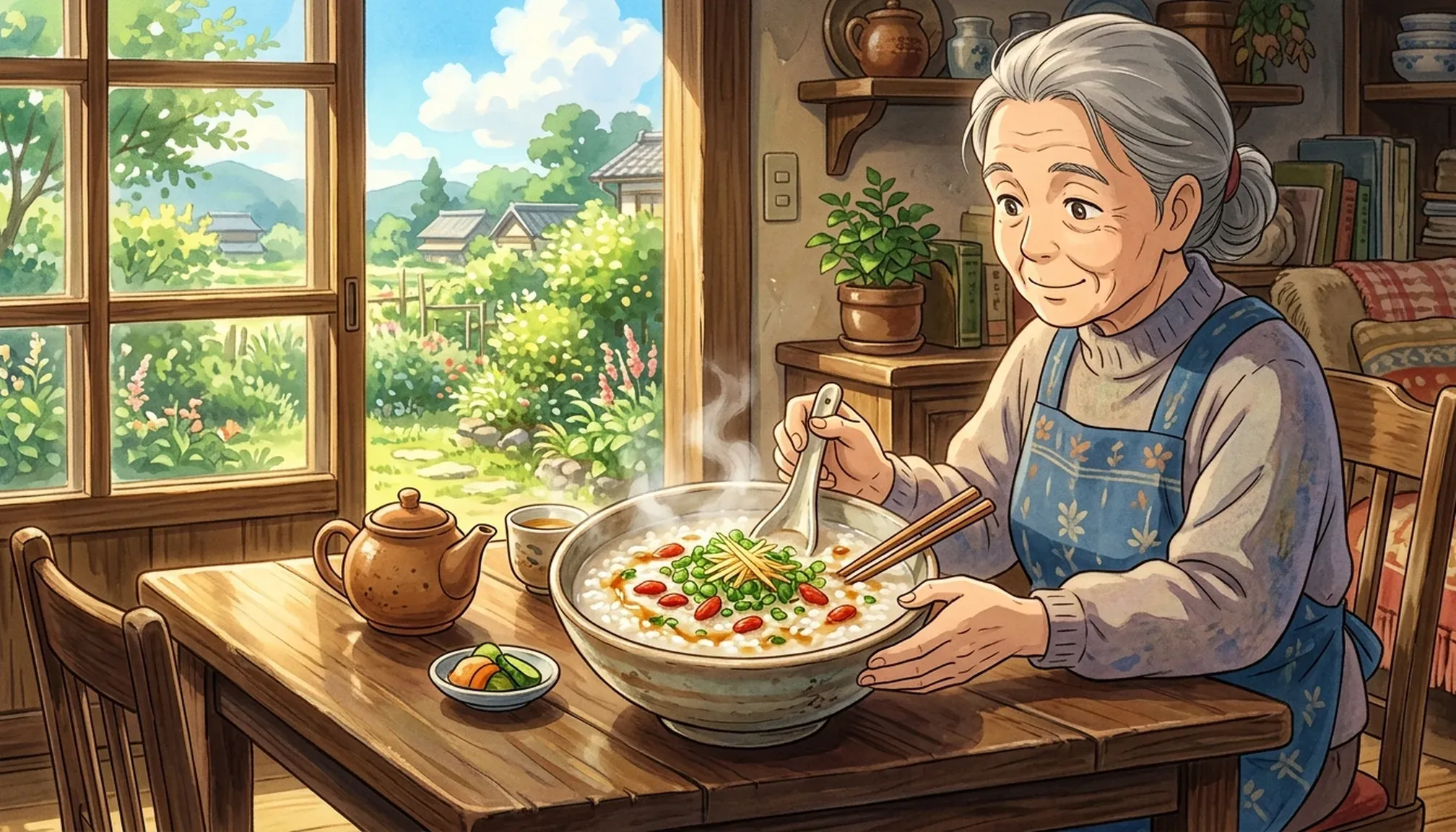
Diet and lifestyle advice. Chinese medicine has a rich tradition of dietary recommendations for nourishing vitality: broths, cooked foods, seeds, legumes, fish, seasonal vegetables, and a constant emphasis on eating calmly and at regular times. This advice pairs well with conventional nutrition guidelines.
Support through menopause. Because this stage is a critical point for women's bone health, many turn to acupuncture to get through it with more balance, and there are favorable studies for symptoms such as hot flashes and sleep problems, although the quality varies.
The role of movement: use it or lose it
Conventional and traditional medicine agree on one point that allows no shortcuts: bone needs movement to stay strong. The Chinese tradition has a wide repertoire of gentle exercises (flowing movements, stretches, breathing coordinated with the body) designed to move energy and Blood, strengthen the back and legs, and preserve agility over the years. This isn't about intense sports: it's about regular, sustainable movement adapted to each age and condition.
Walking, dancing, tai chi, adapted yoga, supervised moderate strength training: any option you can stick with over time is better than inactivity. The underlying message is shared by every tradition: the body is preserved by using it.
Frequently asked questions
Does acupuncture help with osteoporosis?
Acupuncture is not a treatment for osteoporosis, and it has not been shown to increase bone mineral density. What it can do is help with the associated discomfort (back pain, stiffness, fatigue) and with your overall well-being. Your doctor directs the treatment of osteoporosis.
What if what I have is bone pain?
Interestingly, osteoporosis doesn't hurt until there is a fracture, so "bone pain" almost never comes from it. Most of the time it is pain in the muscles, tendons, or joints that feels deep, as in osteoarthritis or fibromyalgia, and there acupuncture does have a role as a complementary treatment. But there is a kind of bone pain you should always have checked: pain that is constant, appears at rest or wakes you at night, is concentrated in one specific spot, or comes with weight loss or fever. And diffuse pain in the bones and muscles along with heavy fatigue may be due to a significant vitamin D deficiency, which shows up on a simple blood test.
What foods does Chinese medicine recommend for the bones?
Without getting into specific formulas, the tradition favors a nourishing, cooked diet: broths and soups, legumes, seeds (sesame, pumpkin), nuts, small fish, leafy green vegetables, and seaweed. These foods are rich in minerals and protein and fit well with conventional recommendations. Avoid extremes: a varied, balanced diet is the foundation.
Can I combine acupuncture with my bone treatment?
Yes, acupuncture is compatible with standard medication and supplements. Always tell your acupuncturist everything you are taking.
Is it too late to look after my bones if I'm already older?
It's never too late. Bone responds to exercise and good nutrition at any age, even if the changes come more slowly. Small improvements in strength and balance also reduce the risk of falls, which is what really matters for preventing fractures.
Daily habits for solid bone health
Beyond any therapy, these recommendations have the strongest scientific backing:
Make sure you get enough calcium and vitamin D in your diet, or through supplements if your doctor recommends them.
Do weight-bearing exercise (walking, climbing stairs, adapted strength exercises) at least three or four times a week.
Practice balance exercises to prevent falls, especially as you get older.
Avoid tobacco and limit alcohol, both of which harm bone.
Sleep well. Rest is when the body repairs and renews itself, something that both science and the tradition recognize.
Get your bone health checked if you have risk factors: family history, early menopause, corticosteroid treatment, or low body weight.
In summary
Caring for your bones is much more than taking calcium: it's caring for the vitality of the whole body. Conventional medicine offers essential tools for diagnosing and treating bone problems, and Traditional Chinese Medicine adds a valuable perspective: rest, careful nutrition, sustained movement, and the preservation of that reserve of energy the tradition calls vital essence. Combined with solid lifestyle habits and the guidance of qualified professionals, it makes a good plan for keeping your bones strong for many years to come.