Specialty
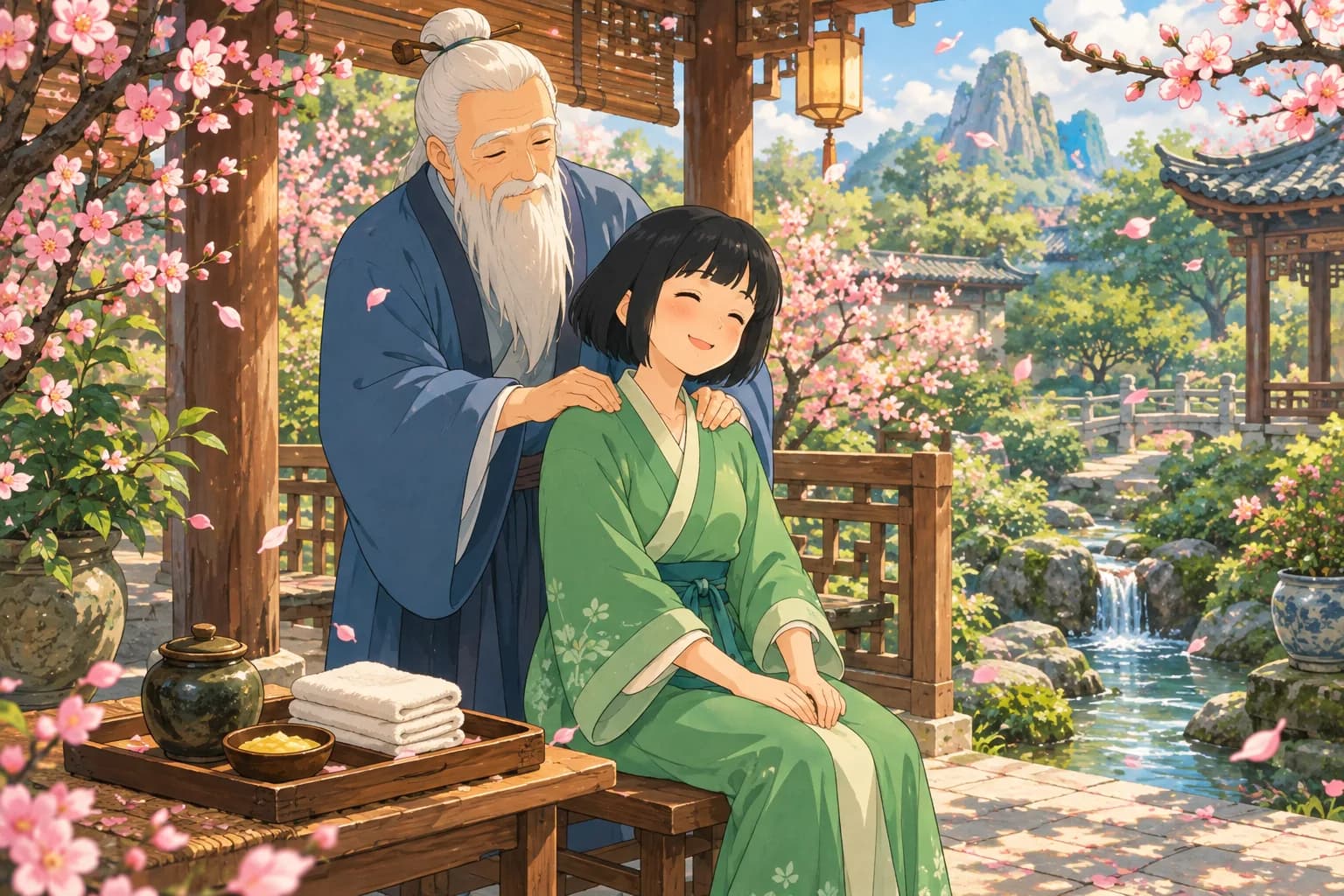
TuinaChinese Therapeutic Massage
«The hand reaches where the needle can't.»
The manual therapy of Chinese medicine, taught the way a school teaches it: first posture and economy of the hand, then the fifteen basic techniques one by one with their timing and rhythm, then joint mobilization with its safety limits, and finally protocols by region and pediatric Tuina, a discipline of its own.
By the end, you will know how to
- Perform the fifteen basic techniques with correct posture and rhythm.
- Build a complete session with opening, work, mobilization, and closing.
- Treat the cervical, thoracolumbar, and limb regions with sound judgment.
- Apply pediatric Tuina with its specific points and techniques.
- Recognize the red flags that mean you must not touch and must refer.
RequirementsAcupuncture I. Having seen the channels in Acupuncture II is recommended.
Syllabus
The treating hand
Before the first manipulation: what Tuina is, how the body is positioned and which tissue you work on.

The basic techniques
Fifteen manipulations, grouped by family. Each with its technique, rhythm, dose and indication.

The craft
Media, dosage, hygiene and session structure.
Protocols by region
What you see every day, region by region, with differential, sequence and referral criteria.

Specialized Tuina
Pediatrics, internal conditions, sport and the complete safety framework.
 22Pediatric Tuina (Xiao Er Tui Na)
 23Tuina in pregnancy and postpartum
 24Geriatric Tuina
 25Tuina for internal conditions
 26Sports and postural Tuina
 27Self-Tuina and exercise for the patient
 28Safety, red flags, and accidents
 29Integrating Tuina, needle, and herb
 30Integrated clinical case
 31Final exam · Tuina