If you have ever seen an elite athlete with dark circles on their back or shoulders, you have already come across cupping, also known as cupping therapy. This ancient therapy from Traditional Chinese Medicine (TCM) has become fashionable in recent years thanks to Olympic swimmers, soccer players and actors who have worn their marks proudly. But beyond the visual curiosity, what is cupping really, how does it work and what is it used for? In this article we explain it all in plain language, so you know what to expect if you ever decide to try this technique with a qualified professional.
What Is Cupping Therapy?
Cups are small containers, usually made of glass, bamboo or plastic, that are placed on the skin to create a suction effect. By drawing up the skin and the tissue just beneath it, the cups gently lift the area, which brings more blood to it and stimulates local circulation.
In Traditional Chinese Medicine, this effect is believed to help Qi and Blood flow more freely through the body, easing feelings of tension, heaviness or stiffness. Put in more Western terms, the suction acts as a kind of "reverse massage": instead of pressing the muscle inward, it gently lifts it outward. Many people describe it as a feeling of relief and deep relaxation, especially in areas that carry a lot of tension, such as the back, shoulders or neck.
Cupping has been used for centuries in different cultures, although China is where it has been developed and systematized most thoroughly. Today it is common for acupuncturists to combine it with other techniques in the same session, always adapting it to each person's needs.
A History Thousands of Years Long
Cupping is one of the oldest therapies known, and it is not exclusive to China. The Ebers Papyrus, an Egyptian medical text from around 1550 BCE, already mentions suction on the skin, and Greek physicians, starting with Hippocrates, used bronze cups for this purpose. In China, the first detailed record comes from Ge Hong, a physician and alchemist of the 4th century, who describes the "horn method": hollowed-out animal horns were used to draw pus from abscesses. Over the centuries, horn gave way to bamboo and, later, to glass.
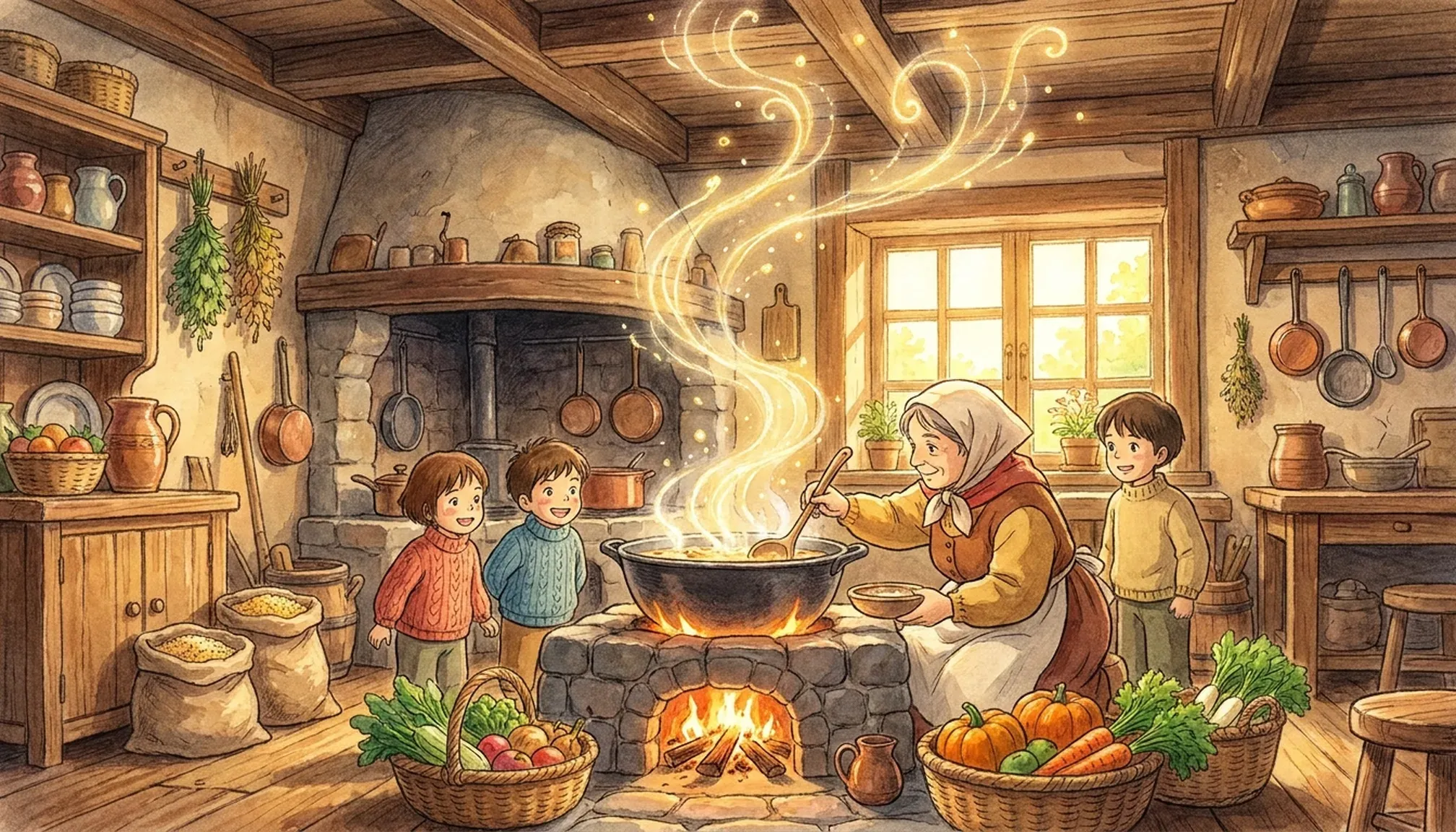
In the Islamic world the technique is known as hijama and remains very much alive, and in Europe cupping was part of folk medicine well into the 20th century: many Spanish grandmothers still remember glasses warmed with a match to treat colds. Cupping returned to the spotlight at the 2016 Rio Olympics, when the circular marks on swimmer Michael Phelps's back went around the world.
What Types of Cupping Are There?
Not all cupping works the same way. These are the most common methods you will find in a professional practice:
Fire Cupping
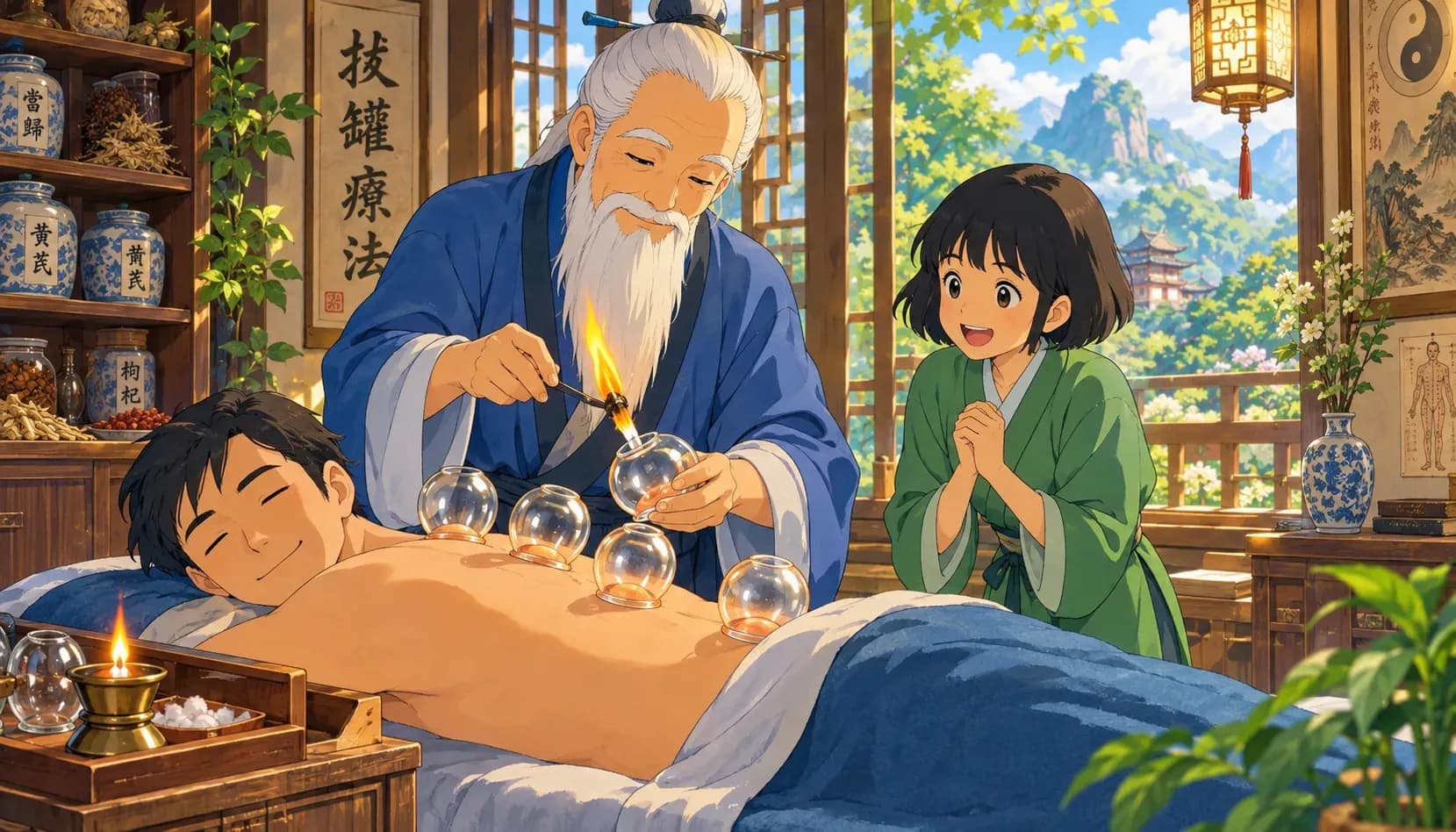
This is the traditional method. The practitioner briefly introduces a flame inside a glass cup to use up the oxygen and then quickly places the cup on the skin. As the air inside cools, a vacuum forms and makes the cup adhere. Although the word "fire" may sound intimidating, the flame never touches the skin: the sensation is one of gentle warmth and suction, not burning. In the hands of a professional, it is a safe procedure.
Suction or Pump Cupping
This is the modern version. Instead of fire, a small hand pump or a valve removes the air from the cup, which is usually made of plastic. It allows the intensity of the suction to be adjusted very precisely, so it is especially comfortable for people trying the technique for the first time or who have sensitive skin.
Sliding Cupping or "Moving Cupping"
In this variation, a little oil is applied to the skin and, once the cup is in place, the practitioner slowly glides it over a large area, such as the back. The effect is similar to a deep massage and is usually very pleasant for releasing widespread muscle tension.
What Does a Cupping Session Feel Like?
This is one of the most common questions, and the answer reassures most people: cupping therapy does not hurt. What you feel is a sensation of tightness or pressure in the treated area, similar to when someone gently pinches your skin and pulls it upward. The first few seconds can feel strange if you have never tried it, but the body quickly gets used to it and many people enter a state of notable relaxation.
A session usually lasts between 10 and 20 minutes with the cups in place, although the total time can vary depending on the area being treated and the goal of the session. Afterward, it is normal for the area to feel a bit tender, like after an intense massage, a sensation that goes away in a day or two.
Why Does Cupping Leave Circular Marks?
The famous round marks are, without a doubt, what draws the most attention to cupping. They are also what raises the most questions. Let's take it step by step.
Are They Bruises?
Not exactly. Although they look like typical bruises or hematomas, they have a different origin. A bruise appears from a blow that breaks small blood vessels, and it usually comes with pain and swelling. Cupping marks, on the other hand, occur because the suction draws blood toward the surface of the skin and causes tiny capillaries to release some blood into the tissue. There is no blow or injury, and most importantly: they do not hurt. If you press on a cupping mark, you will barely feel anything, unlike what happens with a bruise from a contusion.
Why Are Some Marks Darker Than Others?
The color can range from a soft pink to an intense purplish tone. In Traditional Chinese Medicine, darker marks are interpreted as appearing in areas where circulation was more "stuck" or loaded with tension. Whatever the interpretation, the practical thing to know is that the intensity of the color does not indicate damage, and that the marks fade on their own within a few days, usually between three and ten, following a process similar to any mild bruise: they gradually lighten without leaving a trace.
If you have an important event coming up (a wedding, a beach vacation), it is a good idea to mention it to your practitioner, who can adjust the suction intensity or where the cups are placed.
What Is Cupping Used For?
Cupping is used mainly as a complementary therapy in several areas:
Muscle tension and knots: this is its most widespread use. A tight back, stiff shoulders, a neck strained from hours at the computer… the suction helps loosen the muscles and improve the feeling of lightness.
Sports recovery: many athletes turn to cupping to relieve muscle overload after intense training and to support recovery.
Relaxation and general well-being: the session itself is deeply relaxing for many people, who use it as a way to unwind and ease built-up stress.
Feelings of heaviness or fatigue: from the perspective of Chinese medicine, encouraging the movement of Qi and Blood helps restore a sense of vitality.
It is important to stress that cupping is a complement, never a substitute for medical treatment. If you have persistent pain, injuries or any symptom that does not go away, the first step is to see a doctor for a proper diagnosis. Once anything serious has been ruled out, cupping can be a good ally within a comprehensive approach to self-care.
Cupping According to Chinese Medicine: What Is It For?
The list above answers the question from the point of view of the person receiving cupping. Traditional Chinese Medicine adds another perspective: for it, cupping serves to move what is stagnant. When qi, the vital energy that this tradition holds flows through the body, and Blood circulate with difficulty through an area, stiffness, heaviness and a dull ache that gets worse with stillness appear. By drawing blood toward the surface, the suction is understood as a way to unblock that passage.
The tradition also uses cupping for what it calls "expelling external factors," such as wind and cold. This is the logic behind those warmed glasses our grandmothers used at the start of a cold: the cold was thought to have entered through the upper back, and the suction was believed to help draw it out. Today, practitioners apply cupping with this approach mainly as support, never in place of what a doctor advises.
Where Cups Are Placed and Why
The practitioner does not place them at random. They usually choose large muscular areas and, within them, specific acupuncture points that Chinese medicine associates with what is being worked on. Some of the most common in a cupping session are:
Jiān Jǐng (GB21), the "Shoulder Well," on the upper part of the trapezius, widely used when the neck and shoulders are tight.
Dà Zhuī (GV14), the "Great Hammer," below the most prominent vertebra at the base of the neck, associated with neck stiffness and colds.
Fēng Mén (BL12) and Fèi Shū (BL13), on the upper back, which the tradition links with wind and with the Lung.
Gé Shū (BL17), level with the lower part of the shoulder blades, associated with the circulation of Blood.
Shèn Shū (BL23), in the lumbar area, frequently used when discomfort is concentrated in the lower back.
A point appearing on this list does not mean it serves the same purpose in everyone. Each practitioner combines areas according to what they observe in your case.
What Cupping Cannot Do
It is also worth knowing what cupping is not for. Cupping does not burn fat or "flush out toxins," no matter what you read on social media, and it does not replace any treatment for a disease. As for its effectiveness, research is still ongoing: there are promising results for muscle and back pain, but they remain limited. That is why the honest approach is to present it for what it is: a supportive technique that many people find useful for feeling looser and more rested.
Why Is Cupping So Popular Among Athletes?
Cupping's high profile came when several Olympic medalists appeared in competition with the circular marks in plain view. Since then, gyms, soccer teams and athletes of all kinds have added cupping to their recovery routines.
What does it give them? Essentially, a noninvasive way to relieve muscle tension, improve tissue mobility and speed up the feeling of recovery after exertion. Unlike other methods, it requires no medication or needles, and a short session can leave the muscles noticeably looser. In addition, many athletes value the self-care and body awareness that come with these therapies.
As with any technique, scientific research on cupping is still ongoing, and the World Health Organization recognizes traditional medicine as part of the therapeutic heritage of many cultures. The prudent approach is to see it as one more tool, applied by professionals and within a sensible care plan.
Are There Any Contraindications?
Yes, as with any therapy. Cupping should not be applied over wounds, irritated skin, burns or areas with skin problems. It is also generally not recommended for people with clotting disorders, those who take anticoagulants, those with significant anemia or those with very fragile skin. In cases of pregnancy, fever or acute illness, it is essential to consult a doctor first. A qualified practitioner will always do a preliminary assessment and ask about your health history before applying the technique.
Frequently asked questions
What is cupping and what is it for, in a nutshell?
Cups are glass, bamboo or plastic containers that stick to the skin by suction and gently pull the tissue outward. They are used mainly to ease muscle tension, support recovery after sports and promote relaxation. In Chinese medicine, they are used to move stagnant qi and Blood, always as a complement to medical care.
Does cupping hurt?
No. You feel suction or tightness that may seem strange for the first few seconds, but it is not painful. Most people describe it as pleasant and relaxing.
How long do cupping marks last?
Usually between three and ten days. They gradually lighten, do not hurt and leave no lasting effects on the skin.
How many cupping sessions do I need?
It depends on the person and the goal. Some people notice relief from the first session; in other cases a series of spaced-out sessions is recommended. Your practitioner will guide you based on your situation.
Can I shower or exercise after a session?
We recommend avoiding intense exercise, swimming pools and very cold showers for the rest of the day, so you don't overload the treated area. Keeping the area warm and resting is usually the best approach.
Is cupping suitable for everyone?
No. There are situations in which it is contraindicated (clotting problems, damaged skin, pregnancy, among others). That is why it is essential to always see a qualified professional who can assess your case.
Conclusion
Cupping is a traditional, simple and surprisingly pleasant technique that can help you ease muscle tension, recover from exercise and give yourself a moment of deep relaxation. Its famous circular marks are not painful bruises, but a temporary, harmless trace of the suction. If you are curious about trying this therapy, the best approach is to do so with a professional qualified in Traditional Chinese Medicine, who will adapt the technique to your body and your needs. And remember: if you have any persistent pain or a symptom that worries you, see your doctor first.