There comes a moment when many people take a hard look at their relationship with alcohol and decide that's enough. Sometimes it follows a blood test, sometimes it's noticing that the nightly glass of wine has become non-negotiable, and sometimes it's simply asking yourself, "Am I having a couple of drinks, or is alcohol taking a couple of hours of my life every day?" Whatever your reason, quitting drinking is one of the most positive decisions you can make for your health, and one of the ones that deserves the most support. In this article we explain what happens in your body when you stop drinking, which withdrawal symptoms are common, and how acupuncture and Traditional Chinese Medicine (TCM) can support you through the process.
Why does quitting drinking do so much good for the body?
Alcohol is a toxic substance that your body has to metabolize constantly. Although most people who drink don't develop dependence, regular consumption, even moderate, leaves its mark: it affects your sleep (even if it "knocks you out," it lowers the quality of your rest), disrupts digestion, inflames the body, throws your energy out of balance, and plays a significant role in anxiety, which many people attribute to other causes. Quitting, even temporarily, improves sleep quality, digestion, skin, mood, and mental clarity, and lowers the risk of many diseases.
That's why movements like "Dry January" or the "30 days alcohol-free challenge" have become so popular: people notice the changes, and they notice them quickly.
What symptoms can appear when you quit drinking?
When the body gets used to a substance and it's suddenly taken away, it protests. Symptoms depend on how much and for how long you've been drinking, but the most common ones during the first alcohol-free month are:
Insomnia or fragmented sleep, especially in the first two weeks. Alcohol was acting as a sedative, and the nervous system takes time to regulate itself.
Irritability and mood swings. Brain chemistry is readjusting, and it's normal to feel more sensitive.
Anxiety and restlessness. Paradoxically, many people drink to calm the anxiety that alcohol itself creates.
Cravings. The brain asks for its routine, especially in settings associated with drinking (the patio, the weekend, mealtimes).
Sweating, palpitations, or a feeling of internal heat, especially in the late afternoon and at night.
Headaches and muscle tension during the first few days.
Digestive changes: heavy digestion, gas, or changes in bowel rhythm.
With heavy, prolonged drinking, withdrawal can be dangerous and requires medical supervision (abruptly stopping alcohol in severe dependence can cause seizures). If you drink a lot, talk to your doctor before quitting cold turkey: it's important to do it safely.
How can acupuncture support this process?
Acupuncture has been studied for decades as a support in addiction recovery programs, especially for smoking, and clinical experience in Chinese medicine has traditionally applied it to other substances as well. Its role is not to "replace" willpower or medical treatment, but to help the body regulate itself as it goes through the change.
From the standpoint of Western physiology, acupuncture can modulate the autonomic nervous system, promote the release of endorphins, and reduce the perception of anxiety and discomfort. Applied to quitting alcohol: it can make the irritability, cravings, insomnia, and restlessness more bearable, which are often the reason people relapse.
From the perspective of Traditional Chinese Medicine, the relationship with alcohol is understood through what happens in the digestive system and in the body's overall balance. Habitual drinking heats and depletes; when it's withdrawn, the body enters a readjustment phase in which a feeling of internal heat with sweating, a racing mind, and unrefreshing sleep are common. Acupuncture seeks to support that readjustment: calming the agitation, supporting digestion, and restoring restful sleep. In the atlas you can see how acupuncture is approached in addiction and smoking cessation, with points such as Taichong (LR3), on the foot, which the tradition uses for irritability and heat that rises, or Zusanli (ST36), to restore strength to digestion. You don't need to understand these concepts to benefit from them; your acupuncturist uses them as a map to decide where to work in each session.
Other tools from Chinese medicine
Depending on the case, acupuncture can be combined with:
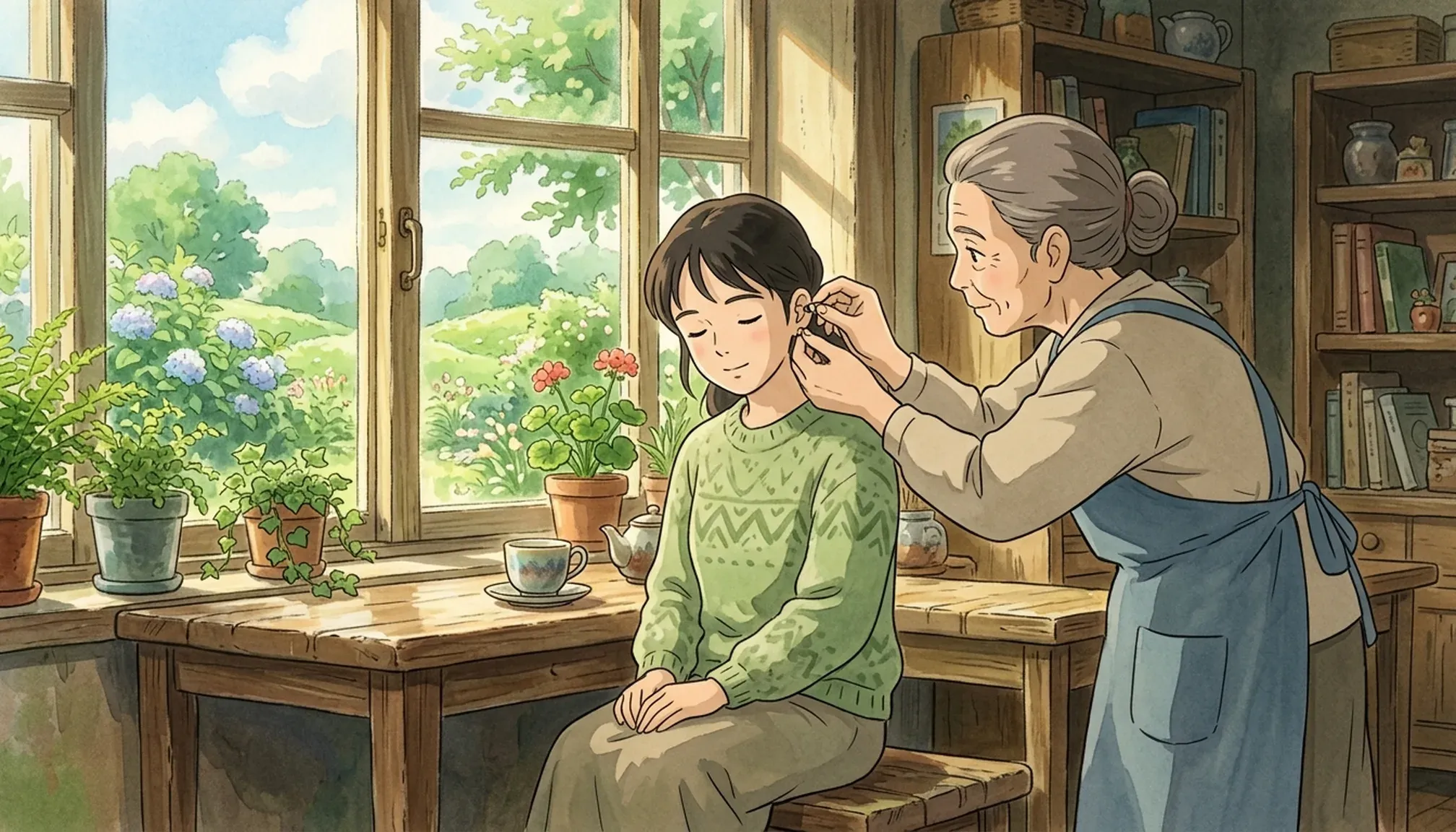
Auricular therapy: stimulating areas of the ear is one of the most widely used techniques to support addiction recovery, precisely because of its effect on anxiety and cravings. It is discreet and painless.
Chinese herbal medicine: under the supervision of a professional, traditional herbal formulas can support digestion, sleep, and emotional regulation during the process. They should never be combined with medication on your own.
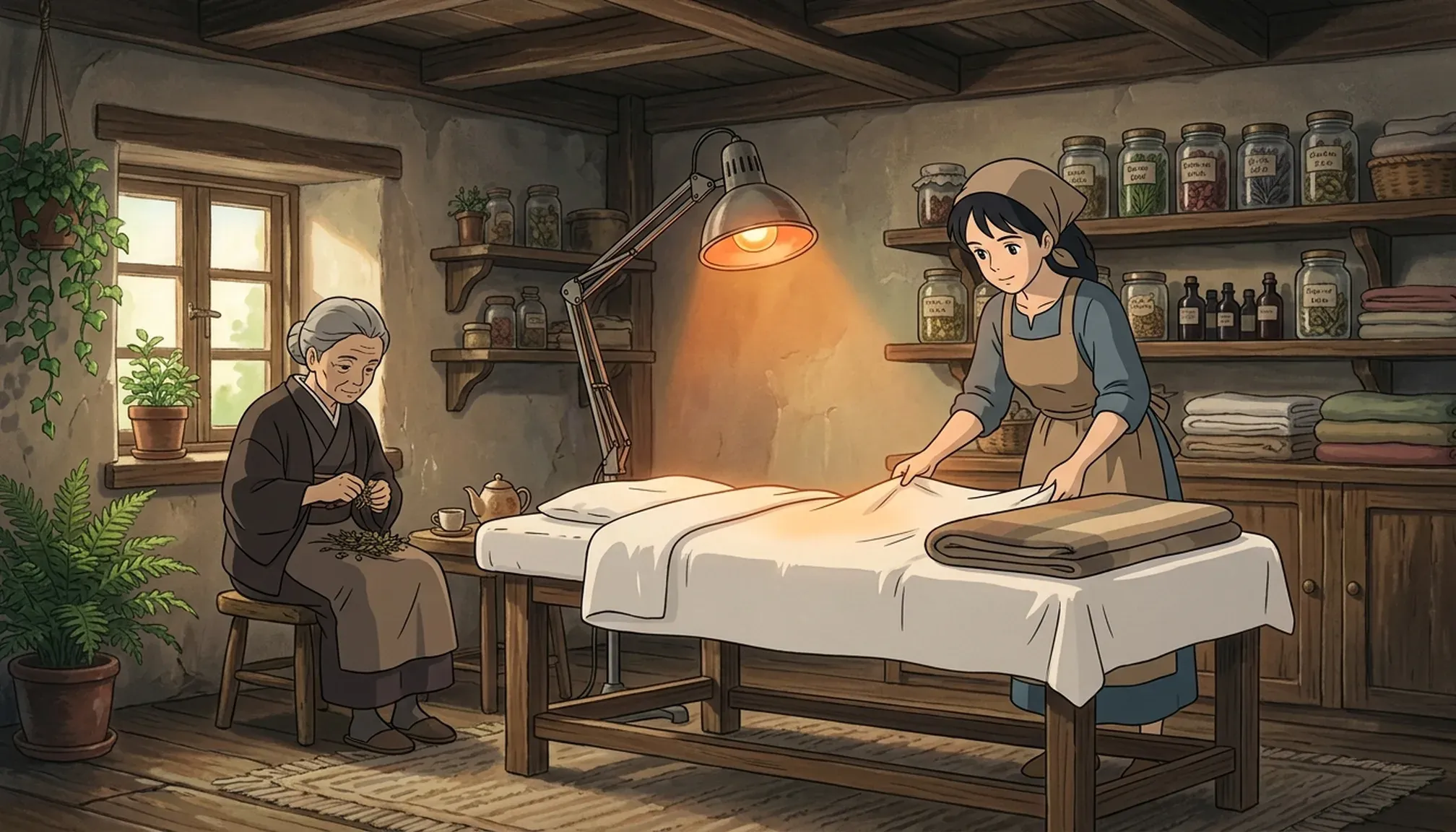
Tuina massage: changing habits often comes with accumulated tension in the neck, shoulders, and back; Chinese therapeutic massage helps release it.
Lifestyle guidelines: regular meal and sleep schedules, simple, warm food, mindful breathing, and gentle movement are classic recommendations that science now backs up.
The NADA protocol: ear acupuncture in addiction programs
If you've heard about acupuncture for quitting alcohol at a treatment center, it was probably the NADA protocol. It originated in the 1970s at a public hospital in the Bronx, New York, and involves placing five very fine needles in each ear, at points called Shenmen, Sympathetic, Kidney, Liver, and Lung, while people sit together quietly in a group for about 40 minutes. Today it is used in addiction services in many countries, precisely because it is simple, inexpensive, and well tolerated.
Studies on its effectiveness for alcohol are mixed and don't show that it reduces drinking on its own. What many patients and teams do report is that it helps people feel calmer, sleep better, and keep attending the program. That's why it is used as part of a treatment with medical and psychological support, not in place of it.
Practical tips so the challenge doesn't stay a good intention
Professional support adds a lot, but you lay the foundation. These strategies have good evidence behind them:
Change your settings before relying on willpower. If Friday on the patio always meant a drink, suggest a different plan for the first few weeks. The habit lives in the setting.
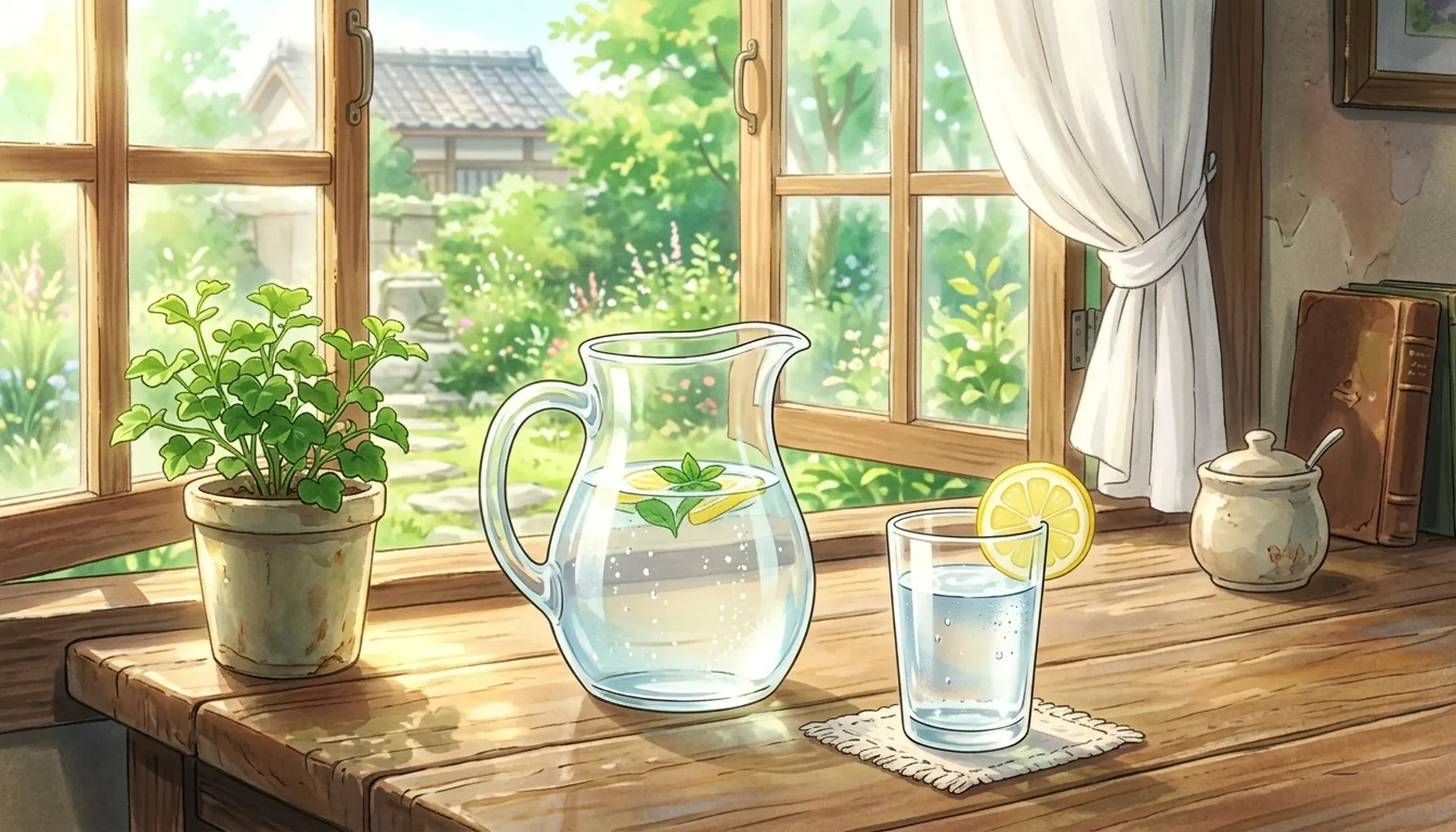
Have substitutes ready. Sparkling water with lime, kombucha, iced teas, well-made alcohol-free drinks: having "something in your hand" serves a real psychological purpose.
Sleep and eat on a regular schedule. Hunger and lack of sleep are the two most powerful relapse triggers.
Move your body. Walking, swimming, working out: exercise regulates mood and burns off nervous activation.
Tell someone about your decision. Telling someone you trust increases the chances of sticking with the challenge, and finding support groups (there is a large community of people who live without alcohol) normalizes what now seems hard.
Don't treat a relapse as a verdict. If you drink one day, it isn't "all lost": it's information. Look at what triggered it and keep going.
Frequently asked questions
Will acupuncture make me stop wanting alcohol?
No technique can erase a craving completely. What many people do describe is that the "volume" of the craving goes down: it shows up, but you can observe it without acting on it. That gap between impulse and action is exactly where the process is won.
How many sessions will I need?
It depends on the person, on prior consumption, and on how the body responds. A weekly frequency at the start, with gradual spacing, is common. Your acupuncturist will guide you based on your progress.
Can I get acupuncture if I'm taking medication to quit alcohol?
Yes, and it's important not to stop any medical treatment on your own. Acupuncture coordinates well with medical addiction recovery programs; tell your acupuncturist everything you're taking.
Does acupuncture hurt?
The needles are very fine and you barely feel them going in: at most, a slight sensation of pressure at the spot that fades within seconds. Most people relax deeply during the session.
Does acupuncture help if I only drink on weekends?
If your drinking isn't daily but you want to cut back or stop, the support is the same. In fact, the early stages of the habit are the best time to step in, before the pattern becomes entrenched.
A change you feel from the inside
People rarely regret quitting alcohol. What they do regret is not having done it sooner: sleep that feels like sleep again, mornings without fog, digestion that works, anxiety that drops a level. If you're thinking about it, you've already taken the most important step, which is taking it seriously. And if you want support that looks after your body while your mind makes the change, acupuncture and the tools of Chinese medicine can be a good ally. Always look for qualified professionals and coordinate the process with your doctor.