Varicose veins and spider veins (those small, fine, purplish webs of veins that show up on the skin) are among the most common reasons people seek care for both cosmetic and health concerns, especially women. Heavy legs, swelling at the end of the day, night cramps, itching, or the worry of watching those veins become more visible over the years are experiences many people share. If you wonder what Traditional Chinese Medicine can offer for such a widespread problem, this article explains it clearly, without jargon, and with the honesty your health deserves.
What are varicose veins and spider veins?
Varicose veins are veins that have become permanently dilated and elongated, losing part of their ability to return blood to the heart. They usually appear in the legs, where blood has to work against gravity, and show up as bluish or purple cords under the skin, sometimes bulging.
Spider veins (also called telangiectasias) are small, dilated blood vessels near the surface of the skin that form fine red, blue, or purple lines. They are smaller than varicose veins and are often the first to appear.
The factors that favor their development are well known: heredity, being female, age, pregnancy, excess weight, jobs that require many hours of standing or sitting, and a lack of regular physical activity. Symptoms that often go along with them include heaviness, tired legs at the end of the day, swollen ankles, itching, cramps, and, in some cases, changes in the skin.
How varicose veins begin
Varicose veins do not appear overnight. Inside the veins of the legs there are small valves that close with each heartbeat so that blood does not flow back down. When those valves start to fail, some of the blood pools, the vein wall gradually stretches, and over the years the vein widens and becomes visible. At first, the most common signs are legs that feel tired or swollen in the afternoon, a spider vein on the thigh or behind the knee, or itching and cramps at night. Catching it at this early stage lets you start sooner with the habits and compression that slow its progress.
An important warning: varicose veins are not just a cosmetic issue. As they progress, they can lead to complications such as inflammation of the veins, skin changes, or small ulcers. That is why it is a good idea to have a doctor assess your case, especially if you notice significant pain, warmth in the area, sudden redness, or changes in the skin.
The Traditional Chinese Medicine view: when circulation stagnates
Traditional Chinese Medicine interprets varicose veins and spider veins through a central and very intuitive idea: blood and body fluids must flow freely. When that circulation becomes slow, heavy, or "stagnant," the visible result is exactly what you see in the legs: dilated vessels, congestion, swelling, and heaviness.
From this perspective, several factors contribute to that stagnation:
A weakened internal "pump"
In traditional terminology, there is a concept that describes the body's ability to hold, lift, and contain. When that ability weakens (through accumulated fatigue, age, repeated pregnancies, or insufficient nutrition), the tissues lose tone, circulation slows, and blood tends to settle in the lower parts of the body. This is the classic picture of a person who feels very heavy legs in the afternoon and watches their ankles swell.
Heat and congestion
In some people, the stagnation comes with a sensation of heat: warm legs, itching, very pronounced reddish spider veins, and worsening in the summer heat. In Chinese medicine, this is interpreted as an accumulation of Heat in the area that aggravates the congestion.
Cold and sluggishness
In others the opposite happens: cold legs, pallor, worsening in the cold, and a dull sensation of heaviness. Here the traditional picture is one of circulation slowing down for lack of internal warmth and movement.
A sedentary life and stress
Chinese medicine has insisted for centuries on something modern science has confirmed: movement is essential for blood to circulate. Long stretches of sitting or standing without changing position slow circulation down. And sustained stress, for its part, contracts and blocks, which also gets in the way of that flow.
In the atlas you can see how the tradition organizes this picture in the entry for venous insufficiency and varicose veins. Two points appear in almost every treatment: Xuehai (SP10), above the knee, whose name means "Sea of Blood," and Sanyinjiao (SP6), on the inner side of the leg. The Sea of Blood of the classical texts is actually a different one: the page on the rivers and seas of the body explains it.
What does the Chinese medicine approach involve?
The goal of traditional treatment is to move circulation, support venous return, relieve heaviness, and help the body recover its ability to hold and move. The usual tools are:
Acupuncture. With very fine needles inserted at selected areas, the aim is to stimulate circulation in the legs, reduce the sensation of heaviness, and improve overall well-being. It is a comfortable, relaxing technique that many people describe as a "reset" for the body.
Moxibustion. For people in whom Cold and sluggishness predominate, the gentle heat of mugwort can be a very pleasant way to get circulation going and bring in the warmth that is missing.
Cupping. In some cases, the practitioner may consider cupping to promote superficial circulation, although its use near varicose veins must be very careful and never directly over them.
Dietary advice. In the tradition, certain foods help support circulation and reduce the sensation of swelling. Your practitioner will guide you according to your individual pattern.
Massage and movement. Traditional therapeutic massage and gentle exercise recommendations (walking, swimming, leg elevation) are a regular part of the plan.
Acupuncture and acupressure points for varicose veins
Needles are never placed over a varicose vein. Points are chosen on healthy areas of the leg, at a distance: Sanyinjiao (SP6), above the inner ankle; Xuehai (SP10), on the thigh, whose name means "Sea of Blood"; Zusanli (ST36), below the knee; and Yinlingquan (SP9), for swelling. There are few studies on acupuncture and varicose veins, and none shows that it makes them disappear; its role is to relieve heaviness and tiredness in the legs.
At home you can press these points for a minute or two, as long as there is no varicose vein right over them, and finish with your legs up. By far the most helpful things for legs with varicose veins are walking every day, wearing compression stockings if they have been prescribed for you, and not standing still for hours. If a varicose vein turns red, hard, warm, and painful, it may be phlebitis: see a doctor and do not massage it.
What results can I expect?
It helps to be realistic: Traditional Chinese Medicine does not make an established varicose vein disappear and does not replace medical or surgical treatment when that is indicated. What it can offer, based on clinical experience and the available literature, is:
Relief of heaviness and swelling in the legs, one of the benefits most appreciated by those who try it.
Fewer cramps and less nighttime discomfort.
An improved general sense of well-being and energy, which in turn makes it easier to make the lifestyle changes the problem calls for.
Preventive support to slow the progression of symptoms, especially when combined with movement and healthy habits.
As always in medicine, results vary depending on the person, how long the problem has been present, and consistency. With significant varicose veins or worrying symptoms, coordination with your doctor is essential.
Which doctor treats varicose veins, and what treatment do they recommend
Before thinking about any complementary therapy, it helps to know who to see. The first step is usually your primary care doctor, who examines your legs, asks about your symptoms, and decides whether you need to go further.
Which specialist treats varicose veins, and what are they called
The varicose vein specialist is the angiologist and vascular surgeon, the doctor who deals with arteries, veins, and lymphatic vessels. In Spain the specialty is called Angiology and Vascular Surgery; in many Latin American countries you will also hear of a phlebologist, the doctor who focuses on veins. This is the doctor who handles varicose veins when they cause symptoms, when there are questions about their cause, or when treatment is being considered. For purely cosmetic spider veins, a dermatologist sometimes steps in as well.
It is common for the specialist to order a Doppler ultrasound, a painless test that shows how blood flows through the veins and whether the valves close properly. Based on that result, they recommend a treatment.
Treatment of varicose veins in the doctor's office
Treatment of varicose veins depends on their size, the symptoms, and the state of the deep veins. The most common options are:
Compression stockings, the foundation of almost every treatment.
Sclerotherapy, which involves injecting a substance that closes the damaged vein; it is widely used for spider veins and small varicose veins.
Laser or radiofrequency, which seal the vein from the inside.
Surgery, reserved for large varicose veins or those with complications.
As for medication for varicose veins, there are drugs called venotonics, which some people take as tablets or sachets. They may relieve heaviness and swelling, but they do not make the varicose vein disappear, and a doctor should decide whether they are right for you, especially if you are pregnant or taking anticoagulants.
Compression stockings and elastic bandages for varicose veins
Compression stockings apply more pressure at the ankle than at the calf, which helps push blood upward. There are different compression grades, and the right one is determined by your doctor or pharmacist after measuring your leg. Elastic bandages are used mainly in specific situations, such as after a procedure or when there is an ulcer to heal, and you should have someone show you how to put them on: a bandage that is too tight on the upper leg hinders circulation instead of helping it. Neither stockings nor bandages are appropriate if there are circulation problems in the arteries, which is why they should not be used without professional advice.
What varicose vein surgery is called and what options exist
Surgery to remove varicose veins has several medical names depending on the technique. The classic operation is called a saphenectomy or vein stripping: the saphenous vein, the main superficial vein of the leg, is removed when its valves are not working. For smaller varicose veins, a phlebectomy is done, which removes short segments through tiny incisions. Today endovenous techniques are used more and more, such as laser, radiofrequency, or ultrasound-guided foam sclerotherapy, which close the vein from the inside without removing it. Some teams also use the CHIVA method, which corrects the path of blood flow while preserving the vein. Which one is best depends on the Doppler ultrasound and your general health.
Time off work after varicose vein surgery, and recovery
The time off work after varicose vein surgery depends on the technique and on the kind of job you have. With endovenous techniques, many people go back to normal life within a few days, while classic surgery usually calls for a somewhat longer recovery, especially in jobs that keep you on your feet. The surgeon decides this together with your primary care doctor. During this phase, walking from day one, wearing the prescribed compression, and avoiding intense heat are recommended. Later on, gentle acupressure at points away from the scar, such as Sanyinjiao (SP6) or Zusanli (ST36), can help ease the feeling of tired legs, always with your doctor's approval.
Do teas and herbal infusions help varicose veins?
Many people ask about a tea for varicose veins. Herbal infusions can be part of a diet that helps you avoid retaining fluid, but none of them closes a dilated vein. Some plants sold for this purpose interact with medications, especially anticoagulants. In Chinese medicine, herbal formulas are always prescribed by a professional according to your pattern, never on your own.
What to do for varicose veins from the Chinese medicine perspective
Chinese medicine fits in as a complement to all of the above. Besides the acupuncture, moxibustion, and acupressure we have already covered, tai chi and qigong are a very gentle way to move the legs: slow steps, shifting weight from one leg to the other, and deep breathing activate the calf muscles without strain. Gua sha, the gentle scraping of the skin with a smooth-edged tool, should not be applied over varicose veins or spider veins, because it presses on and reddens exactly the area you want to protect; if you use it, always do so away from them.
Frequently asked questions
Does acupuncture get rid of varicose veins?
There is no evidence that acupuncture eliminates established varicose veins. Its role is complementary: relieving symptoms such as heaviness and swelling, supporting circulation, and improving overall well-being. Significant varicose veins require a medical evaluation, and medical treatments (sclerotherapy, laser, surgery) are very effective when indicated.
Can I have acupuncture if I wear compression stockings?
Yes, they are fully compatible. In fact, they usually work well together: the stockings work during the day, and acupuncture supports the body as a whole.
Is it true that massage can be counterproductive with varicose veins?
Massage should never involve direct, intense pressure on varicose veins, and cupping is not applied over them either. A qualified practitioner knows these precautions and will adapt the technique accordingly. If you have significant varicose veins, always mention it before any treatment.
How many sessions are needed?
As a general guideline, an initial weekly course of four to eight sessions is usually proposed, with progress assessed along the way. Benefits for heaviness and swelling are usually noticed relatively soon, although everyone has their own pace.
Can varicose veins be cured?
A varicose vein that has already formed does not become a healthy vein again on its own. Medical treatments, such as sclerotherapy, laser, or surgery, can close or remove it, but new varicose veins may appear over time, because the tendency is still there. That is why walking, elevating your legs, and wearing compression if it has been prescribed matter just as much as the treatment itself.
Which specialty treats varicose veins?
Varicose veins are seen by the specialty of Angiology and Vascular Surgery, which your primary care doctor usually refers you to. In some countries this specialist is called a phlebologist. For spider veins without symptoms, which are mostly a cosmetic matter, a dermatologist can also see you. Acupuncture, if you choose it, always goes alongside that evaluation as a complement.
What tests are done for varicose veins?
The main test for varicose veins is a venous Doppler ultrasound. It involves no needles and no radiation: the specialist glides a device with gel over your leg and sees on the screen where the blood is flowing, whether the valves close, and whether the deep veins are healthy. With that information, they decide whether simple measures are enough or whether some treatment to close or remove the vein is advisable.
How are varicose veins treated without surgery?
Many varicose veins are treated without surgery. The basic measures are walking every day, elevating your legs, watching your weight, and wearing compression if it has been prescribed. When something more is needed, sclerotherapy, laser, or radiofrequency can close the vein in the doctor's office. Acupuncture, acupressure, and qigong can support relief from heaviness, but they do not replace that evaluation.
Daily care for lighter legs
These habits, recommended by both conventional and traditional medicine, make a real difference:
Move your legs throughout the day. If you work sitting down, stand up for a few minutes every hour; if you work on your feet, shift your weight from one leg to the other and walk whenever you can.
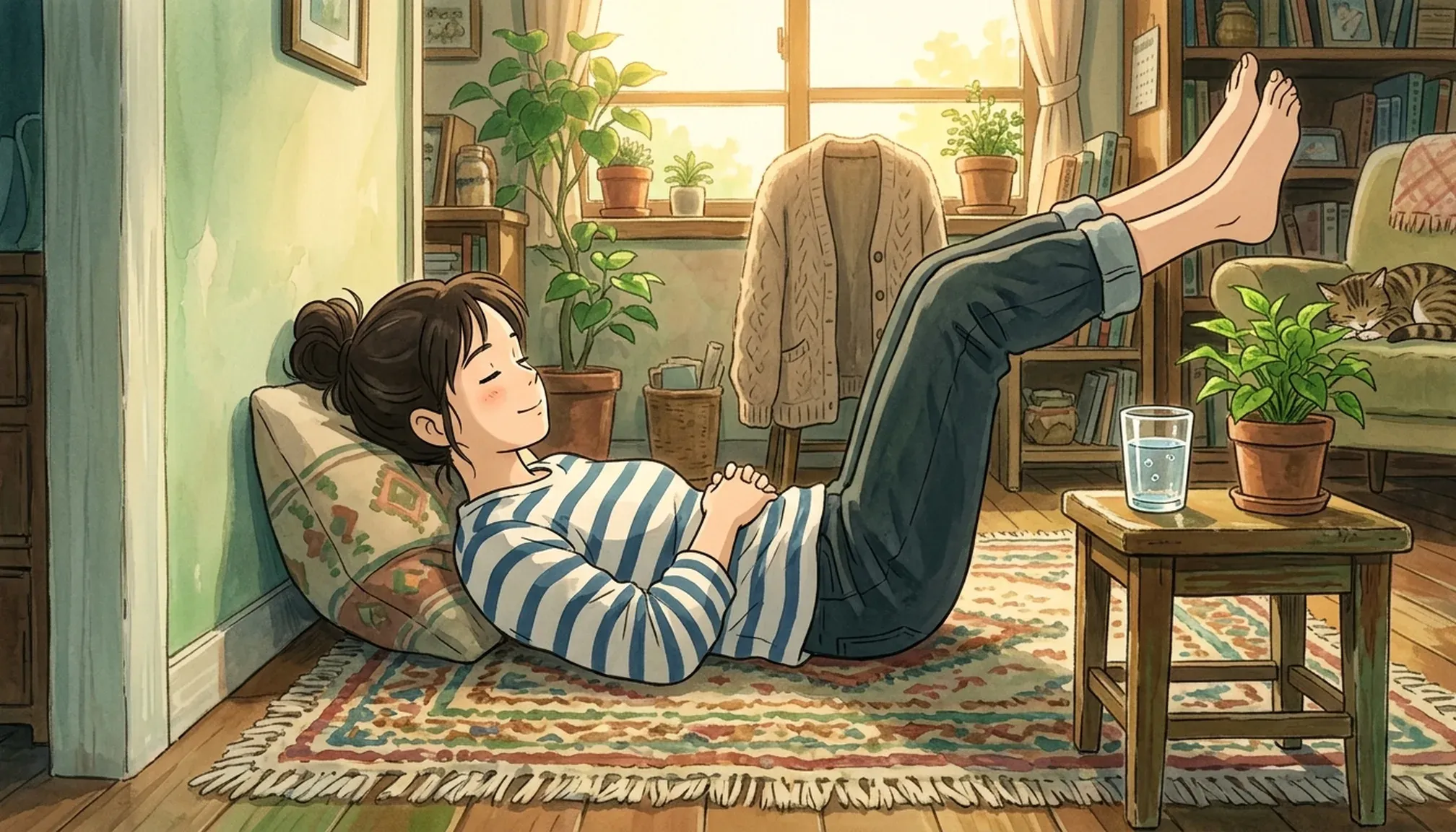
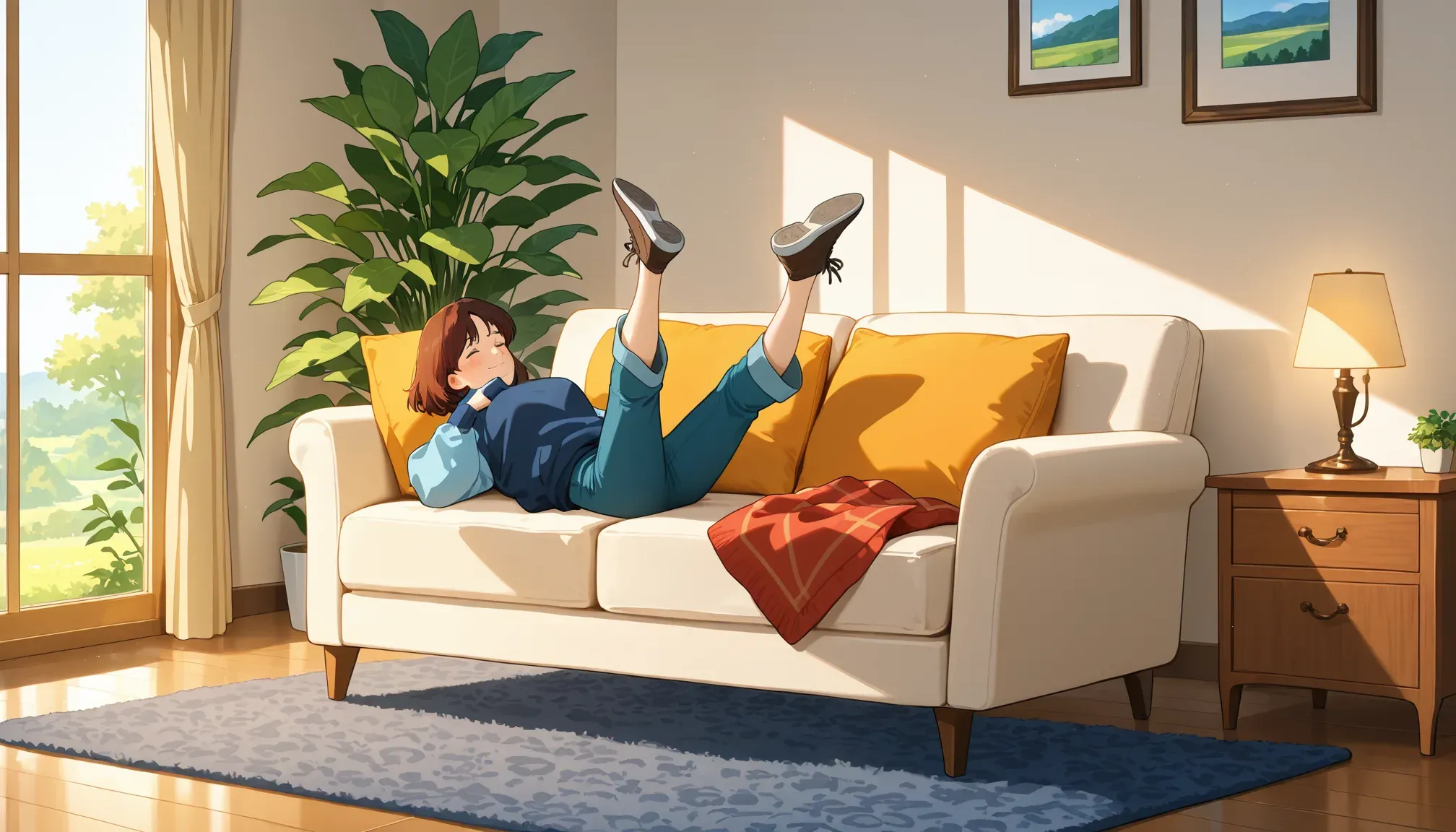
Elevate your legs at the end of the day, for about fifteen or twenty minutes, with your legs slightly above heart level.
Walk every day. The calf muscles act as a second pump for venous return.
Avoid excessive heat on your legs (very hot water, long saunas, intense direct sun), which dilates the vessels.
Watch your weight and avoid clothing that is very tight at the waist and thighs.
Stay well hydrated and eat a diet rich in fruit, vegetables, and fiber.
In summary
Varicose veins and spider veins are the visible expression of a circulation that needs help to flow. Conventional medicine offers effective tools to treat them, and Traditional Chinese Medicine can support the process with a whole-body approach: relieving heaviness, getting circulation moving, balancing the body, and guiding the lifestyle changes that make the difference over the long term. It is not about choosing one or the other, but about combining the best of both worlds with qualified professionals. Your legs carry you all day long; they deserve that care.