September and October are a bit of a trap: the afternoons are still mild, the midday sun invites short sleeves, and it feels like summer hasn't quite left. And yet first thing in the morning and as evening falls, the air already bites differently. Those in-between days, with sun and chill in the same day, are the ones that, according to traditional Chinese medicine, take the biggest toll on the body: irritated throats, the first colds, dry skin, autumn melancholy, joints that start to "speak up."
Chinese tradition has spent more than two thousand years observing how we relate to the seasons, and its conclusion is simple: health changes with the calendar, and fall is the season of gathering in and preparing. If in spring energy rises and expands and in summer it blooms, in fall everything descends, condenses, and is stored away. Living fall well—sleeping well, eating seasonally, protecting your body from sudden cold—is the best way to arrive at winter with your defenses in order. Here's how.
Fall in Chinese Medicine: The Season of Contraction
In the traditional Chinese view, fall is when nature contracts and concentrates its energy. Trees drop their leaves to protect their sap; the days grow shorter; warmth withdraws into the earth. The human body, which the tradition understands as a small ecosystem subject to the same rhythms, does the same: the energy that was at the surface in summer (sweat, heat, activity) pulls inward, and with it the external defenses become more vulnerable to sudden cold and dry air.
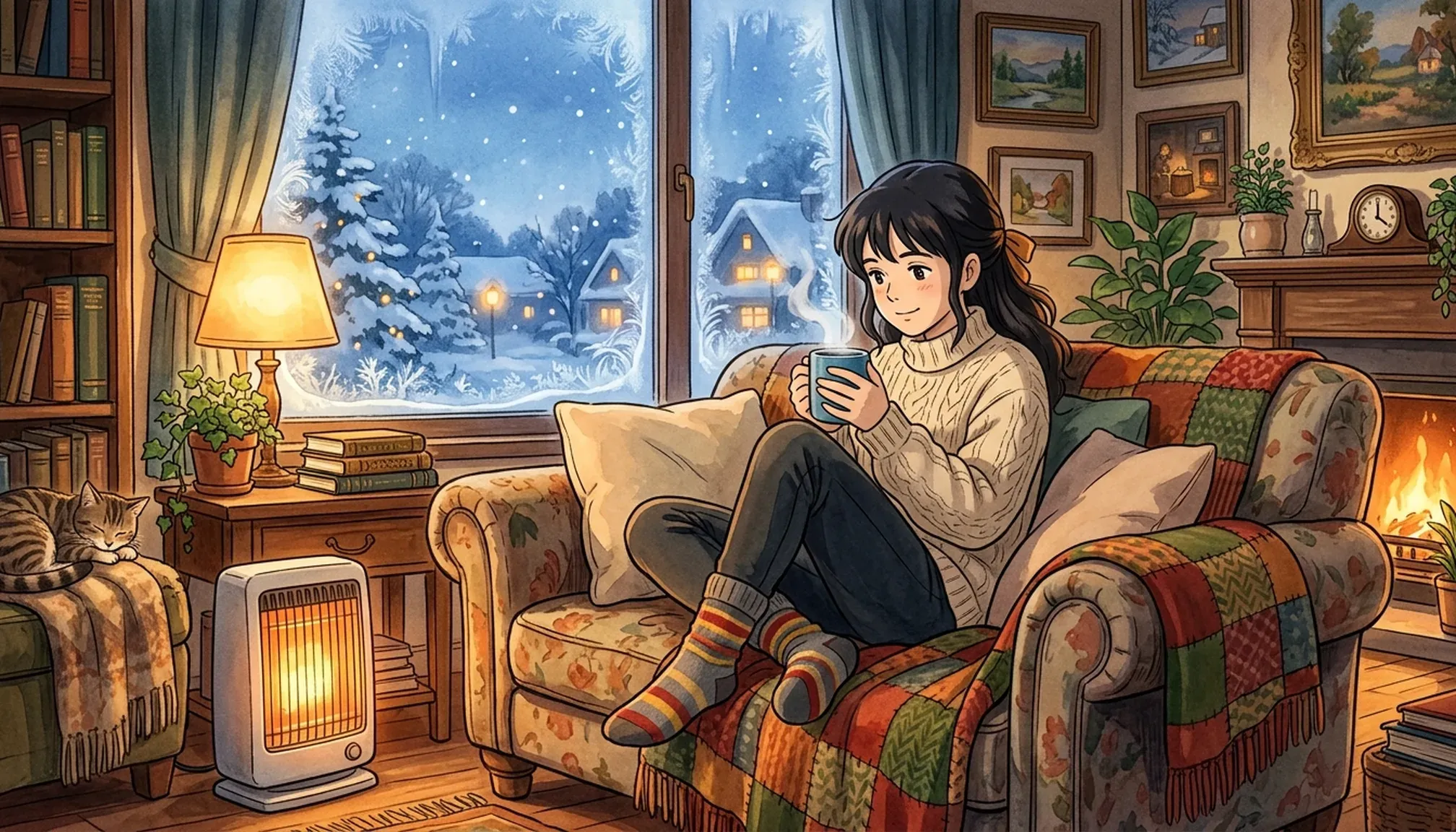
Hence the seemingly contradictory advice the tradition gives: in fall, bundle up before you feel cold, not after. The neck, shoulders, back, and feet are the areas the tradition considers most sensitive to drafts and sudden temperature changes. If you've ever felt a draft "get in" at your neck and woken up the next day with an irritated throat, you already know the experience it describes.
Fall is also, in this tradition, the season associated with the Lung and the Large Intestine, understood as functional systems: the first is in charge of breathing, the skin, and the "outer defenses"; the second, of elimination and the capacity to let go. It's no coincidence that colds, cough, dry skin, and constipation are the signature symptoms of fall: in the language of the tradition, they all point to the same system.
And there is a third, subtler component: fall is also the season of sadness and melancholy. The same energy that makes leaves fall can bring your mood down. If you notice you get more nostalgic every October, it's no coincidence or whim: it's the seasonal rhythm acting on your mind and emotions.
Five Signs Your Body Is "Struggling" With Fall
Some symptoms are so common at this time of year that we simply accept them as normal. Chinese tradition groups them as signs that the body isn't adapting well to the change of season:
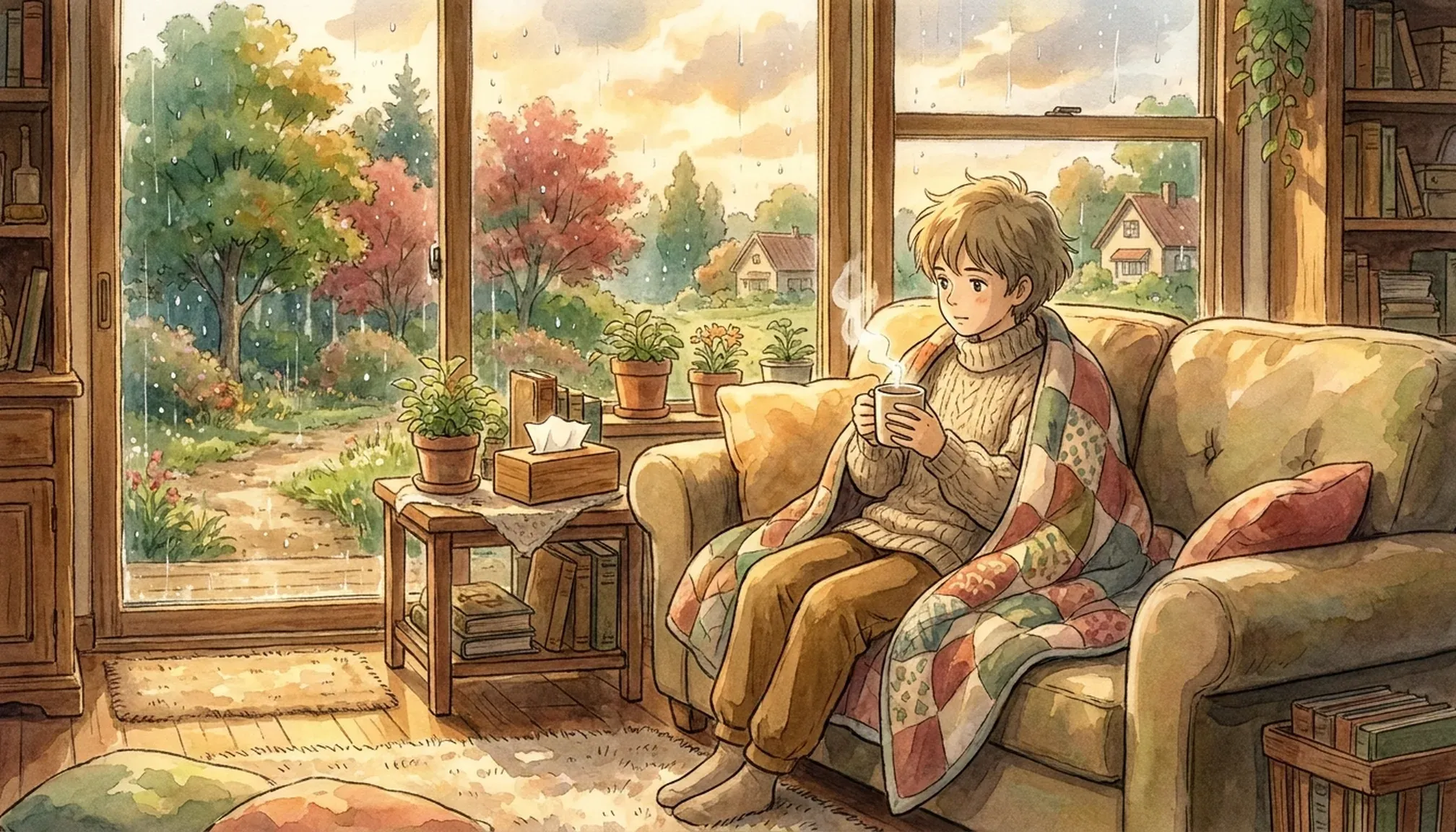
Sore throat, colds, and cough: the classics of the in-between season. The tradition attributes them to "Wind-Cold" and "Dryness" attacking the throat and airways when the outer defenses are low.
Dry skin, itching, and chapped lips: fall is the driest season of the year, and the skin, which the tradition considers an extension of the respiratory system, is the first to notice.
Dry, tired eyes: also an effect of dry air and long hours in front of screens.
Constipation: the tradition links it to the same dryness and to the energy "settling" inward, which can slow elimination.
Melancholy, nostalgia, and low mood: the emotional side of fall, which the tradition associates with the same energy of contraction and withdrawal.
If you recognize several of these signs, your body is probably asking for a more careful transition into the new season.
Basic Fall Care: Bundle Up Before You Feel Cold
It may sound like grandmother's advice—and it is, with centuries of medical tradition behind it—but "neck, shoulders, and feet" deserves its own chapter:
The neck and shoulders: Chinese tradition regards them as the border between outside and inside, the place where "Wind-Cold" enters most easily. Light scarves, high collars, and avoiding direct drafts (car, office, bus window) are health measures, not just comfort. This matters especially after exercise, when perspiration opens the pores and the body is more vulnerable.
The feet: the tradition considers them the root of the body: cold feet, cold everywhere. Switch to closed shoes earlier than you feel like it, and avoid walking barefoot on cold floors at home.
The lower back: according to this view, the lumbar area is the body's energy pantry. Keeping it warm—an undershirt when it gets cooler, avoiding sitting on cold surfaces—is one of the classic recommendations for preparing for winter.
The transition from day to night: temperature swings between the mild midday and the cold night are the most aggressive. The key is to dress in layers so you can adapt throughout the day.
Fall Eating: More Cooking, Less Raw Food
Traditional Chinese dietetics adjusts cooking to the climate with very simple logic: when it's cold, the body needs cooked, warm, nourishing food; too much raw, cold, and iced food overloads digestion and drains the energy the body needs to stay warm and defend itself.
Fall is also the season of Dryness, so the tradition recommends foods that "moisten" from within:
From the fall harvest: pumpkin, sweet potato, carrot, turnip, cabbage, leek, onion, zucchini, eggplant, mushrooms, pomegranates, grapes, cooked apples, pears, quince, and nuts (walnuts, almonds, hazelnuts, pine nuts) in moderation.
Whole grains and legumes: rice, millet, oats, quinoa, lentils, chickpeas, and beans, well cooked in stews and soups, provide the energetic foundation of the season.
Broths and soups: the tradition considers them the ideal fall food format: hot, moistening, and easy to digest. A vegetable broth with a little ginger in the evening is, quite literally, seasonal medicine.
Little raw, cold, or iced food: cut back on very cold salads, iced smoothies, excess cold dairy, and ice cream. Your digestion—and your throat—will notice.
Mild seasonal spices: ginger, cinnamon, clove, black pepper, and cardamom in small amounts "rewarm" and stimulate circulation. A ginger infusion with honey in the afternoon is a fall classic with sound logic behind it.
And one piece of advice from the tradition that modern science backs up: eat a warm breakfast. In this view, breakfast is the meal that lights the digestive fire for the day; starting with something warm and cooked (oatmeal, eggs, miso soup, toast) makes a difference in how you face the cold morning.
Rest: Sleep Earlier, Rise Earlier (But Calmly)
Fall shortens the days, and Chinese tradition proposes something radically sensible: go to bed earlier. In summer, with short nights and expansive energy, it recommends going to bed later and getting up early. In fall, the direction changes: withdraw earlier, get a full night's sleep, and rise with the light.
In practice: try moving your bedtime 30-60 minutes earlier than in summer, keep regular schedules (the change of season already disrupts sleep enough), and give your morning a calm pace: natural light as soon as the sun comes up, a warm breakfast, and gentle movement before you face the day. In the tradition's experience, autumn melancholy is largely countered with restorative sleep and stable routines.
Fall Movement: Gentle, Steady, and Outdoors
The fall transition calls for moderate, regular exercise, not heroics. The tradition's ideal: walking daily (dressed appropriately), practicing tai chi, gentle yoga, easy cycling, or weekend hiking. The goal isn't to exhaust yourself but to keep circulation active and the respiratory system strong before winter arrives.
Two practical tips from the tradition:
Don't stand still in the cold: being sedentary in cold air (hours sitting on a terrace, motionless work in a cold office) lets the cold penetrate; moving generates heat and protects.
Don't leave your skin exposed after exercise: sweating and then staying out in the cool wind has always been the classic recipe for "catching a chill." Bundle up as soon as you finish.
The Emotional Dimension: Welcoming Melancholy (Without Staying in It)
If fall brings your mood down, you're not broken: you're in tune with the cycle. Chinese tradition doesn't pathologize autumn sadness; it regards it as a natural expression of the season's energy. The proposal isn't to fight it with denial but to give it the right space and accompany it with activities that channel it:
Mindful withdrawal: reading, writing, cooking slowly, tidying the house, returning to inner projects. Fall is the season of "indoor" tasks, in every sense.
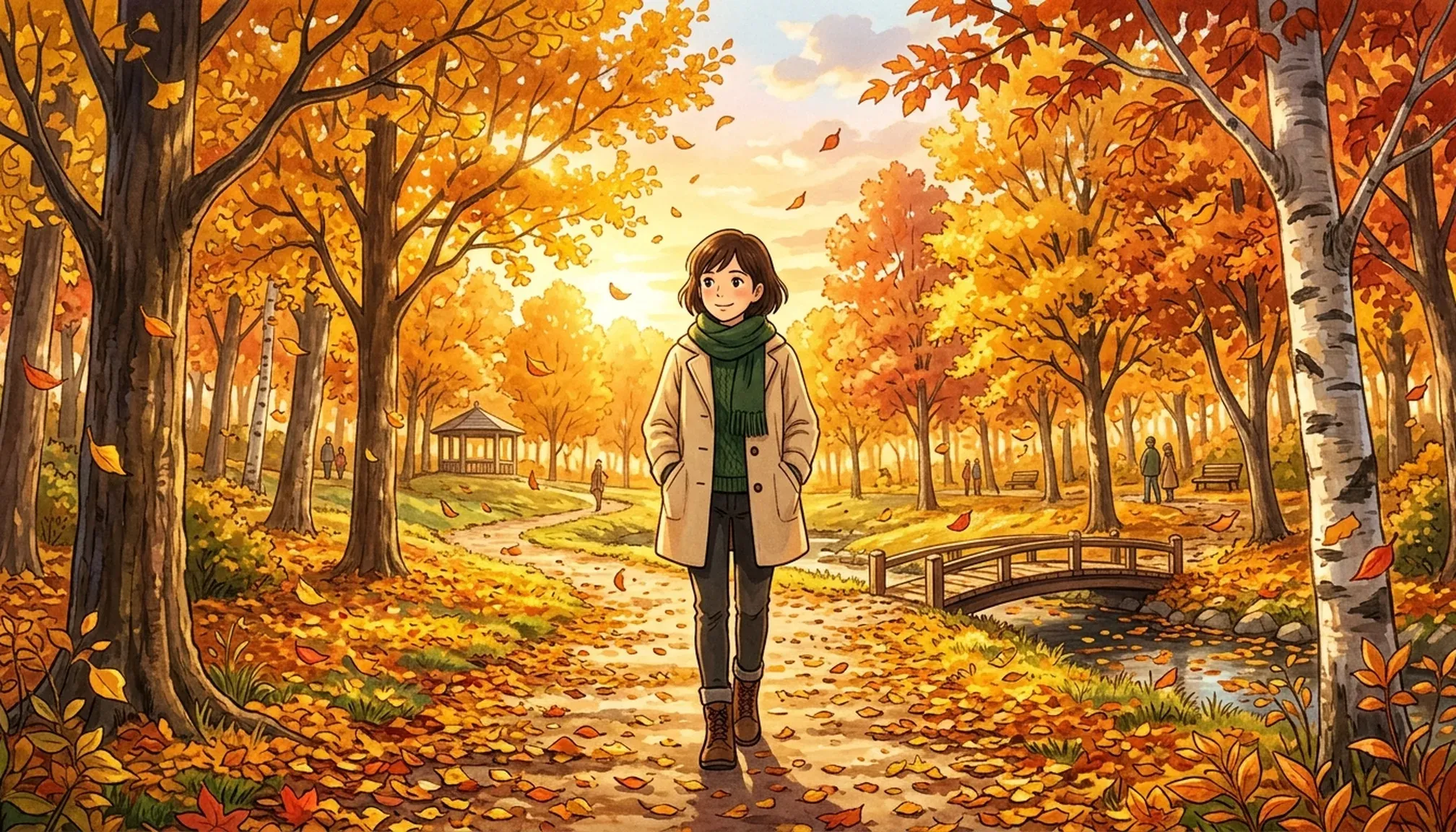
Contact with nature: walking among the leaves, gathering nuts, visiting the forest. The tradition recommends breathing fresh air daily, even in the cold (well bundled up, of course): the respiratory system needs that training ahead of winter.
Warm social connection: melancholy isolates; the antidote is comforting company: meals at home, tea with friends, long phone calls.
Letting go: the Large Intestine, the Lung's functional partner in Chinese tradition, handles elimination—and also, symbolically, the capacity to let go. Fall is a good time to close cycles, sort through what has piled up, and release what no longer serves you, both materially and emotionally.
If autumn sadness settles in persistently and affects your daily life for weeks, don't dismiss it: it may be more than seasonal and deserves professional attention.
Cold in Chinese Medicine: Why Fall Is Its Gateway
In traditional Chinese medicine, cold is not just a temperature: it is one of the climatic factors that can upset the body's balance when they arrive with more force than we can handle. Its nature is to contract, slow down, and block. Wherever cold settles, the tradition describes stiffness, pain that improves with warmth, sluggish circulation, and a general feeling of being "out of sorts and chilled." Fall matters so much because it is the season when cold begins to gain ground, and what isn't protected now tends to take its toll in winter.
The tradition distinguishes between cold that comes from outside and cold that is generated within, and it's important not to confuse them.
Wind-Cold: When Cold Enters From Outside
Wind-Cold is, for Chinese medicine, the most common way of falling ill in the in-between season. Wind is considered the "vehicle" that opens the way for other factors, and when it travels together with cold it penetrates through the surface of the body: the nape, the shoulders, the upper back. The typical picture is recognizable: chills, more sensation of cold than fever, a runny nose with clear mucus, sneezing, neck stiffness, and a headache at the back of the head. It's the cold that shows up after a draft or after staying out in the wind in sweaty clothes.
At this stage, the tradition recommends bundling up, drinking something hot, and encouraging a light sweat, for example with a fresh ginger infusion. In the clinic, points such as Fengchi (GB20), at the base of the skull, Lieque (LU7), and Hegu (LI4) are commonly used.
Internal Cold and Excess Cold: When Warmth Is Lacking Inside
Internal cold is something else. It doesn't arrive with a draft; it develops gradually when Yang—the warm, active, protective part of the body's energy—weakens. People with it usually have cold hands and feet almost all year, prefer hot drinks, tire easily, urinate frequently, and notice that everything gets worse as soon as the temperature drops. The tradition relates it mainly to the Spleen and the Kidney, understood as functional systems.
When people speak of excess cold, on the other hand, they mean an intense cold that has settled in suddenly, for example after strong exposure or a very icy meal, and that shows up as sharp pain and contraction. In both cases, fall is the time to strengthen inner warmth before winter: warm cooking, a covered lower back, and, if your acupuncturist considers it appropriate, moxibustion on points such as Guanyuan (CV4), Mingmen (GV4), or Shenshu (BL23).
Cold Stomach: Cold That Enters Through Food
Cold stomach is one of the most everyday forms of internal cold, and fall often brings it to light. In the Chinese view, the stomach needs warmth to "cook" food; when it's given too much raw, cold, or iced food, or when the digestive system is already weak, you get slow digestion, discomfort that eases with a hot water bottle, loose stools, poor appetite, or a feeling of heaviness after eating. That's why the eating advice in this guide (a warm breakfast, more broths and stews, mild spices) carries so much weight in this season. In the clinic, we work with points such as Zhongwan (CV12), Zusanli (ST36), and Pishu (BL20).
An important warning: persistent stomach pain, pain that wakes you at night, vomiting, unexplained weight loss, or black stools require medical evaluation before any traditional approach.
How Can Acupuncture Help in Fall?
For many people, the change of season is the moment to turn to acupuncture as a "seasonal tune-up." In Chinese tradition, the best time to tonify the system is considered to be before the season hits hard: a few sessions in late September and October can help to:
Strengthen your defenses against the classic string of fall colds (especially advisable if you tend to catch colds at the same time every year). The most commonly used points are Zusanli (ST36) and Feishu (BL13), the Back-Shu point of the Lung, often warmed with moxa.
Hydrate and soothe the skin and airways against dry air.
Regulate sleep and mood in the face of schedule disruption and seasonal melancholy.
Adjust digestion to the change in diet and rhythm.
A short course of 3-5 sessions at the change of season is usually enough as preventive maintenance. Your acupuncturist will guide you according to your situation.
Frequently asked questions
Why do I always catch a cold in fall?
Fall concentrates the sharpest temperature swings of the year, and Chinese tradition considers it the time when the body's outer defenses are most exposed. Covering your neck and shoulders, sleeping well, and eating seasonally are the three classic preventive measures.
What does Chinese medicine recommend eating in fall?
Foods that are cooked, warm, and in season: pumpkin, leafy greens, mushrooms, legumes in stews, broths, nuts in moderation, cooked or seasonal fruit (pomegranate, grapes, cooked apple, pear), and mild spices such as ginger and cinnamon. Less raw, cold, and iced food.
Is it normal to feel sad in fall?
Autumn melancholy is a recognized phenomenon in both Chinese tradition and modern psychology (linked to the reduction in daylight hours). If it is mild and temporary, it is part of the seasonal rhythm; if it settles in, intensifies, or affects your daily life, see a professional.
Does acupuncture help prevent fall colds?
It is traditionally used to support the immune system at the change of season, and many people use it as prevention. If you already have a cold, it can also help ease the symptoms, although in that case it's best to consult your acupuncturist directly.
How many acupuncture sessions are needed for the change of season?
As preventive maintenance, a short course of 3-5 sessions in the weeks around the change is usually enough. If you come in with symptoms already established (cough, congestion, exhaustion), the plan will be longer and more personalized.
What is internal cold in Chinese medicine?
It's an imbalance in which the body doesn't generate enough warmth because Yang, the warm and active energy, is weakened. It's recognized by cold hands and feet, fatigue, a preference for hot things, and worsening in the cold. The tradition treats it with warm foods, keeping the lower back covered, and, in the clinic, acupuncture and moxibustion prescribed by a professional.
How do I know if I have a cold stomach according to Chinese medicine?
The most typical signs are slow digestion, discomfort that improves with local warmth or hot drinks, loose stools, and poor appetite, especially after eating raw or iced food. It's best to have an acupuncturist evaluate it, and a physician rule out other causes if the discomfort is persistent or intense.
Do I have to change my whole diet to follow Chinese dietetics?
No. The basic principles of fall—more cooked food, less cold food, in season—are simple and compatible with any diet. Small, sustained adjustments work better than big overhauls that don't last.
Conclusion
Fall isn't a season to be endured: it's a season to move through. Traditional Chinese medicine, with its two thousand years of wisdom observing the calendar, proposes something as simple as it is profound: gather in before the cold arrives, cover up before you feel cold, eat what the earth offers at this time of year, sleep an hour more, and let melancholy visit without letting it move in.
If every year fall catches you unprepared—colds, sore throat, exhaustion, low mood—this is the moment to change the script. Your body has been preparing for winter since the first leaves fell; keep it company. And if you want a professional boost along the way, a few acupuncture sessions at the change of season can be the best yearly reminder that your health lives on a calendar too.