Traditional Chinese Medicine channel
Bladder Channel
足太阳膀胱经Water15:00 - 17:0067 pointsBL1 → BL67
Description
The Bladder channel governs the distribution of Body Fluids, sweating, and the elimination of waste through the urine. As the longest channel in the body, it runs along the entire back with branches that connect to the internal organs. Imbalances can show up as urinary problems, back pain, eye problems, headache, and balance problems. It is essential for spinal flexibility, the ability to adapt to change, and the elimination of what no longer serves, both physically and emotionally.
Main functions
- Stores and excretes urine
- Transforms and eliminates fluids
- Protects the body against external pathogenic factors
- Nourishes the channels
- Controls the sinews
- Opens into the ears
- Regulates water balance
Pathway
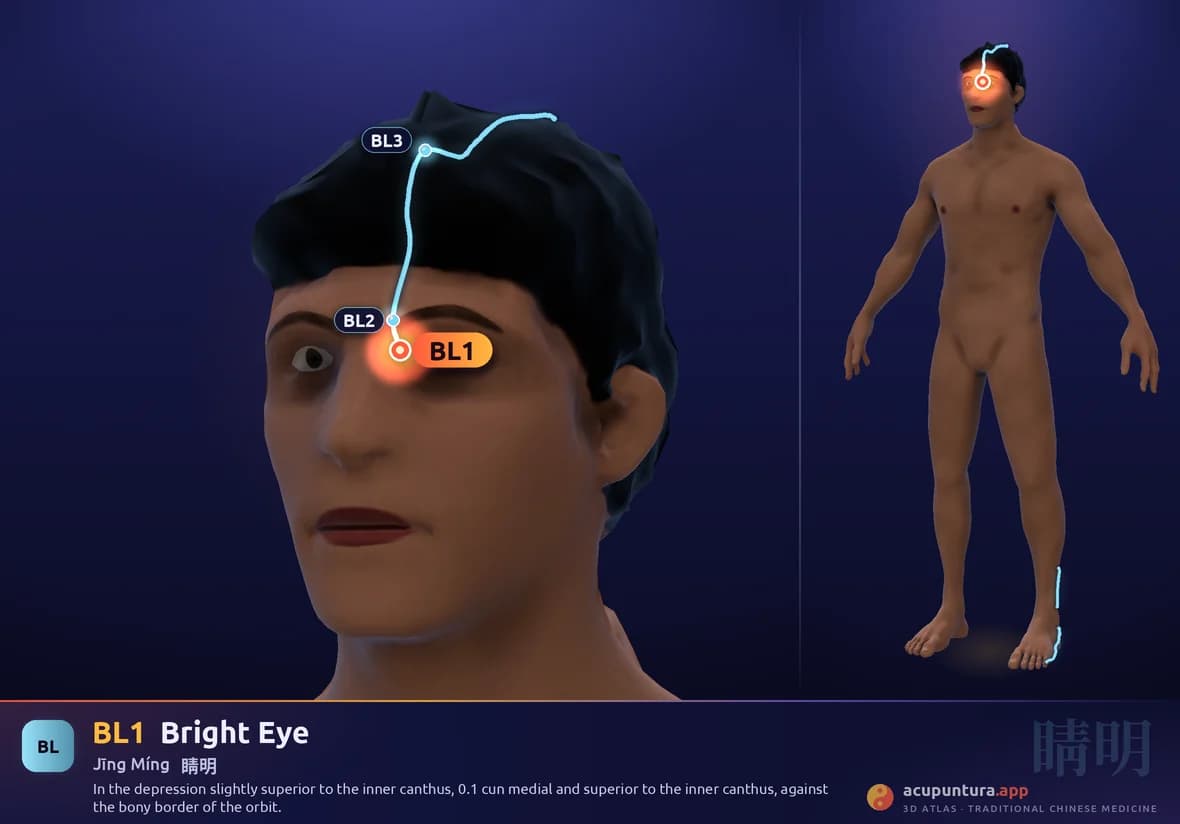
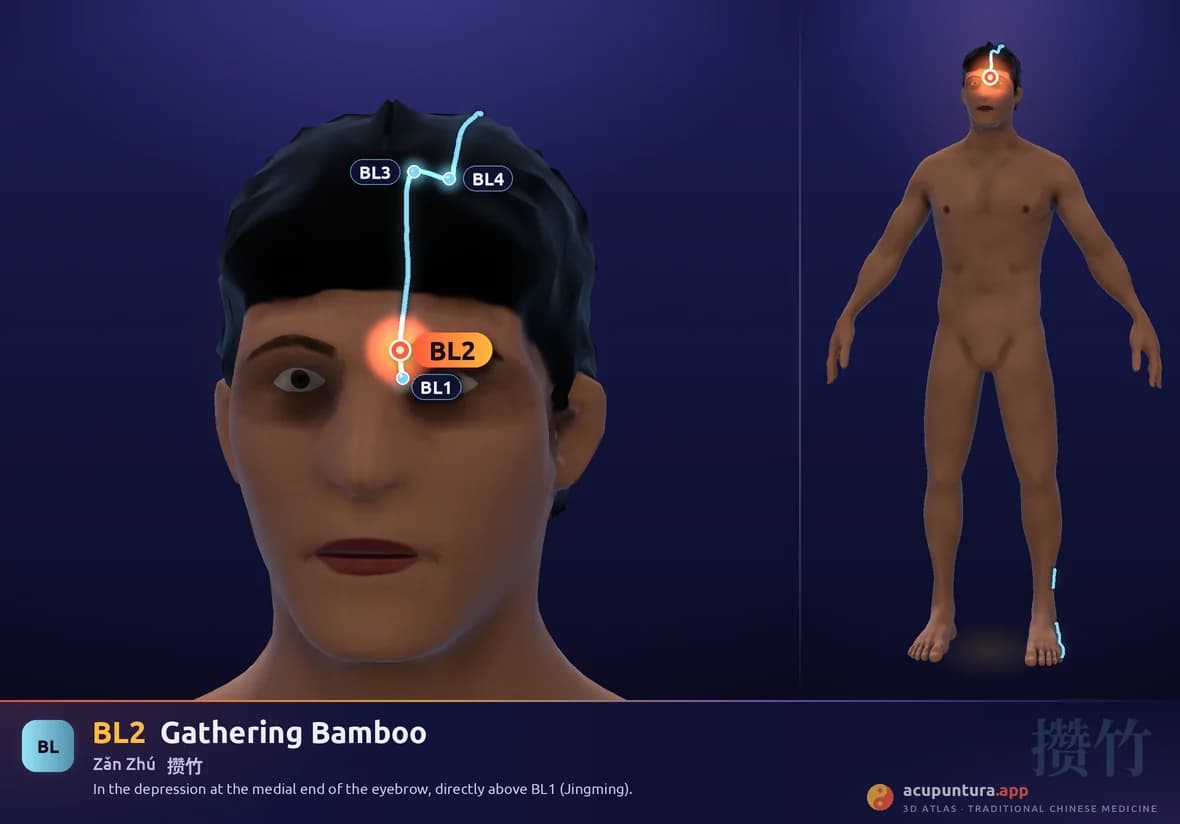
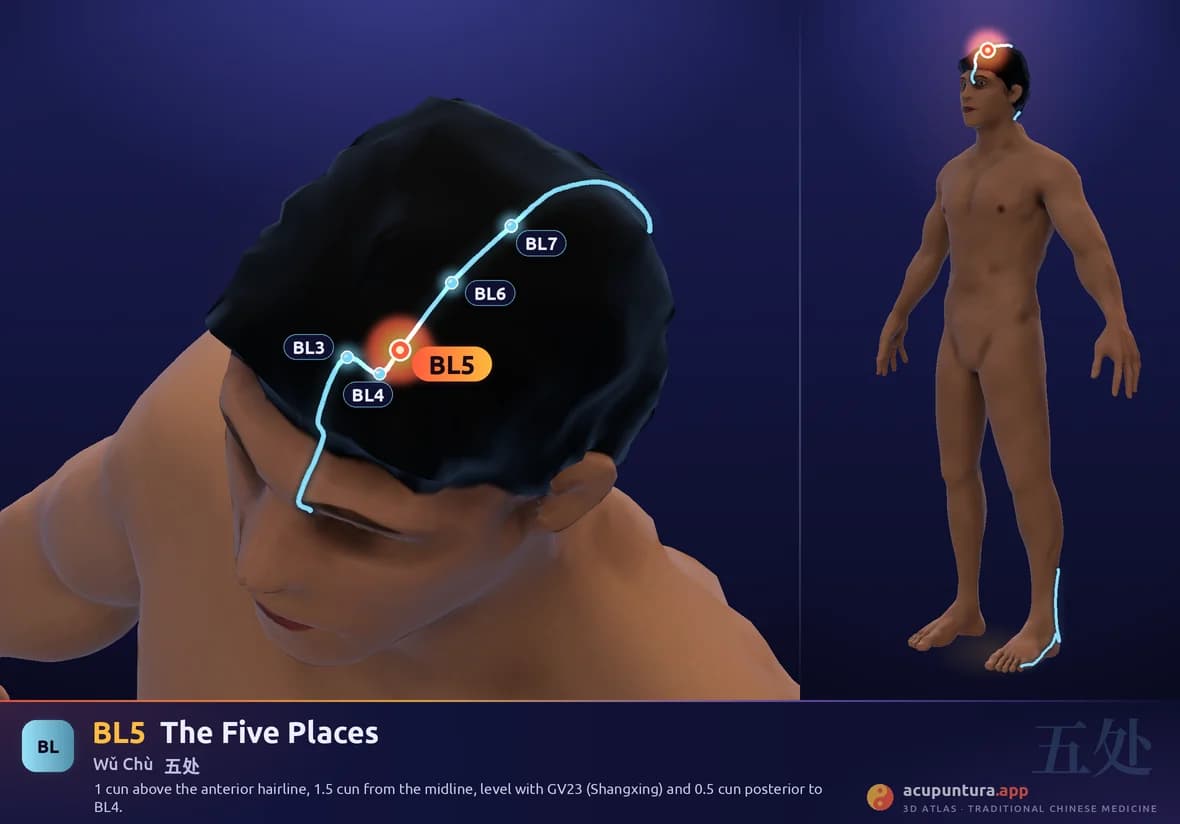
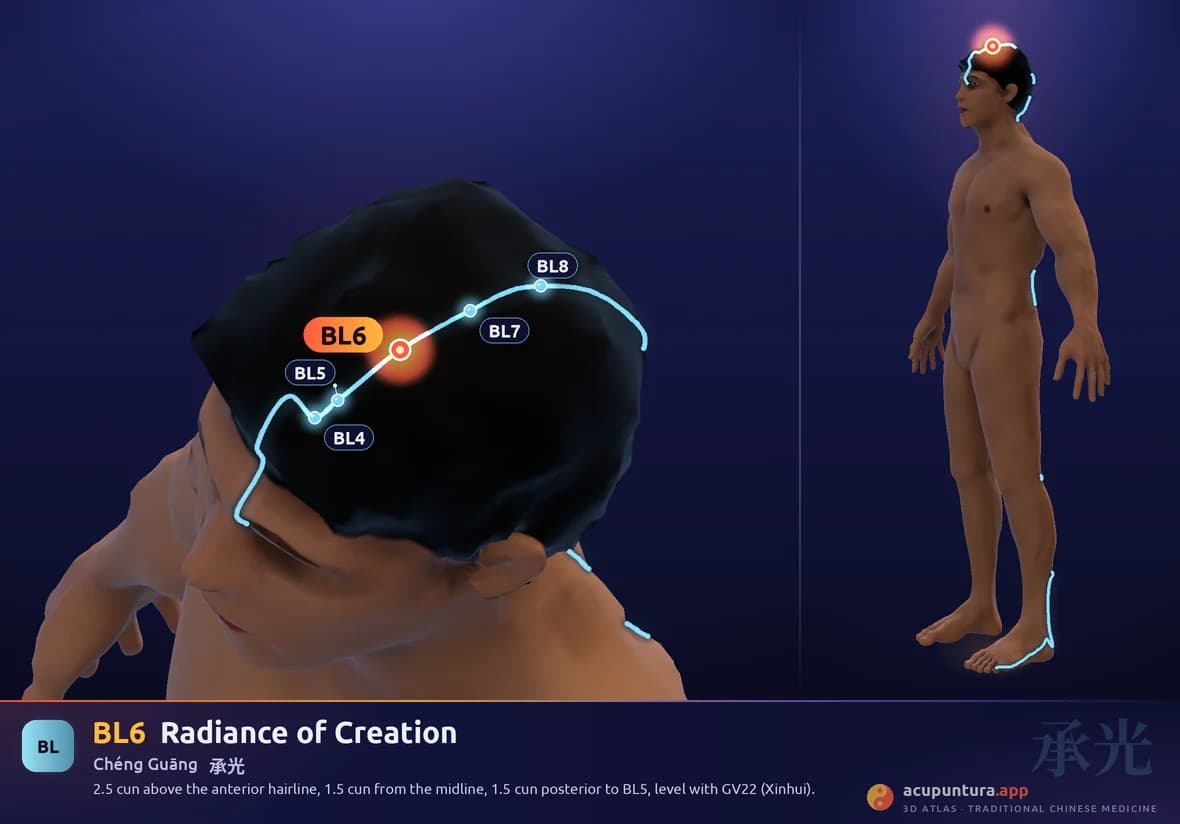
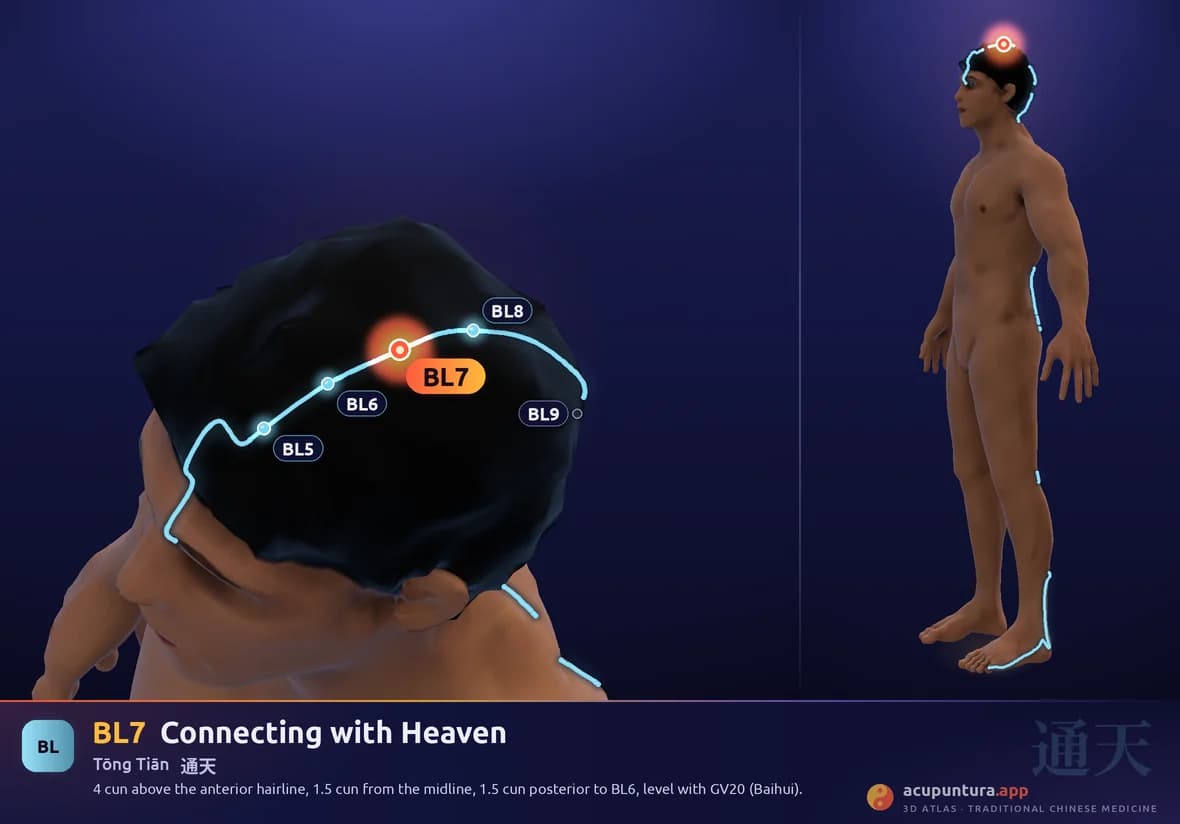
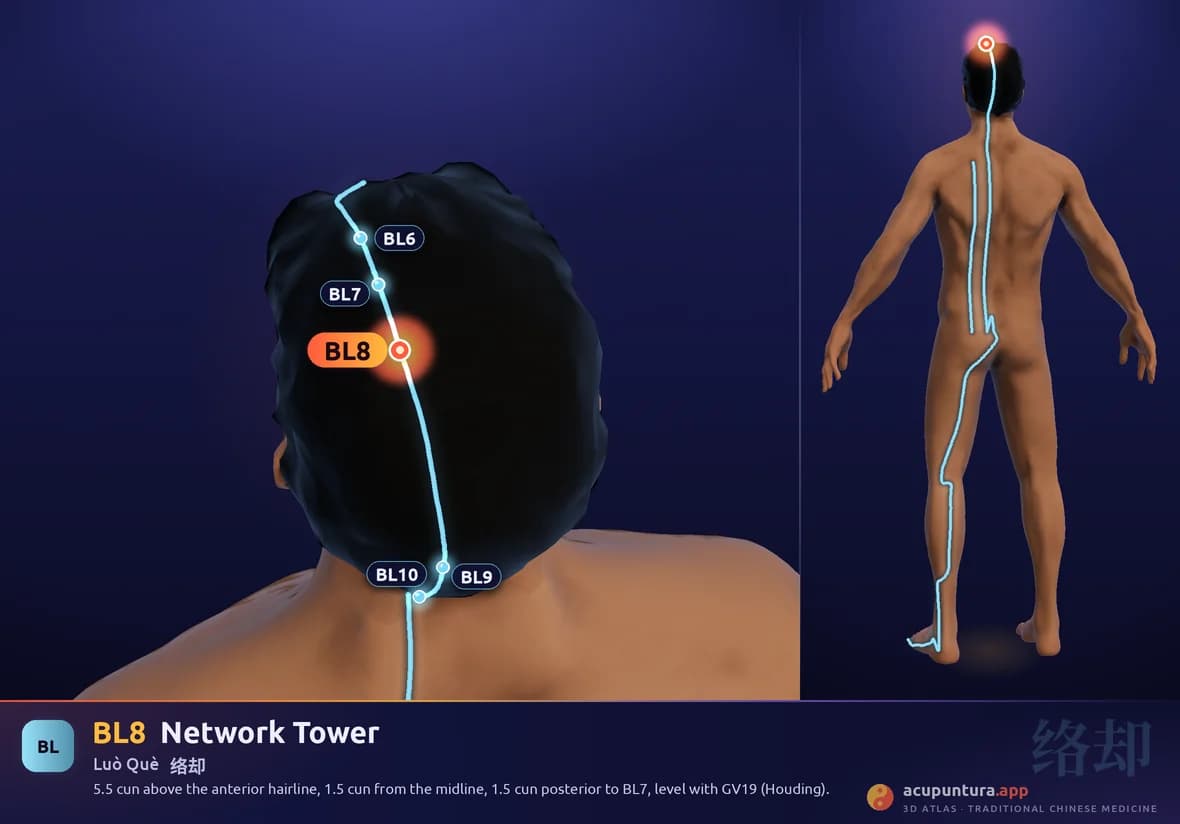
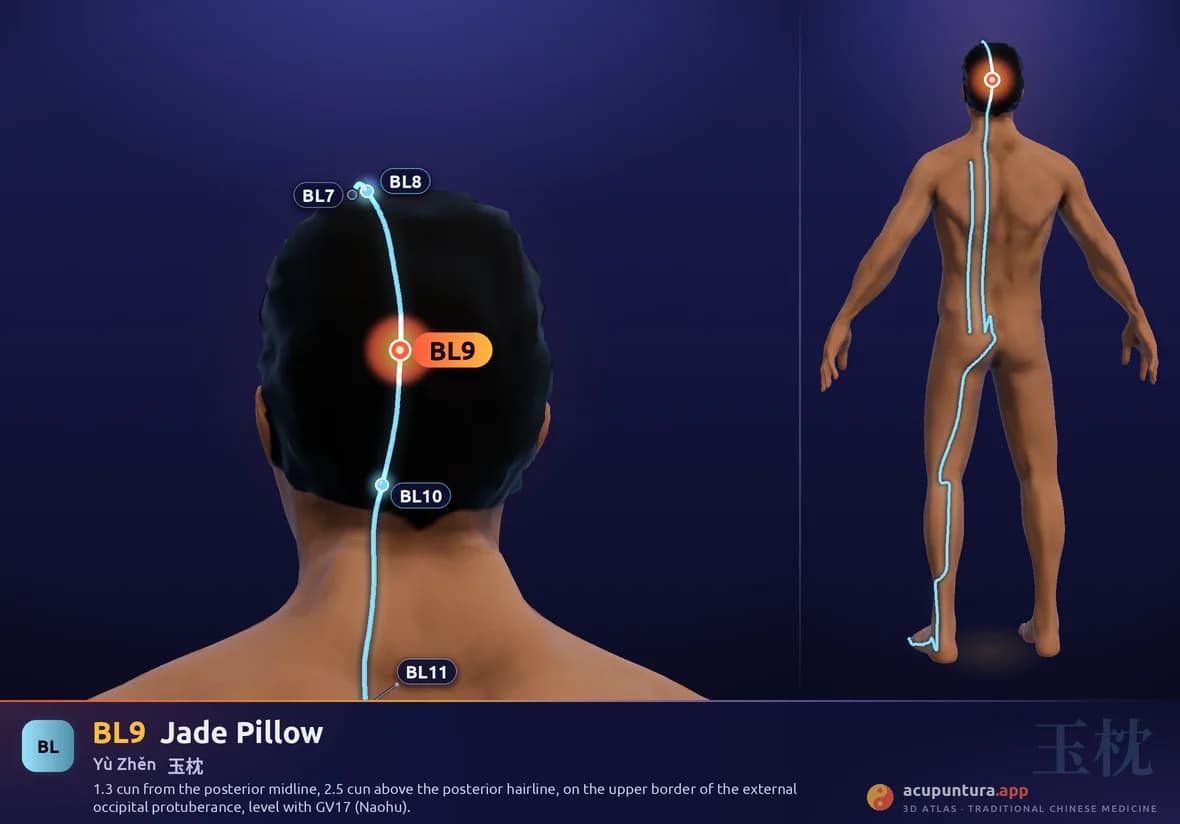
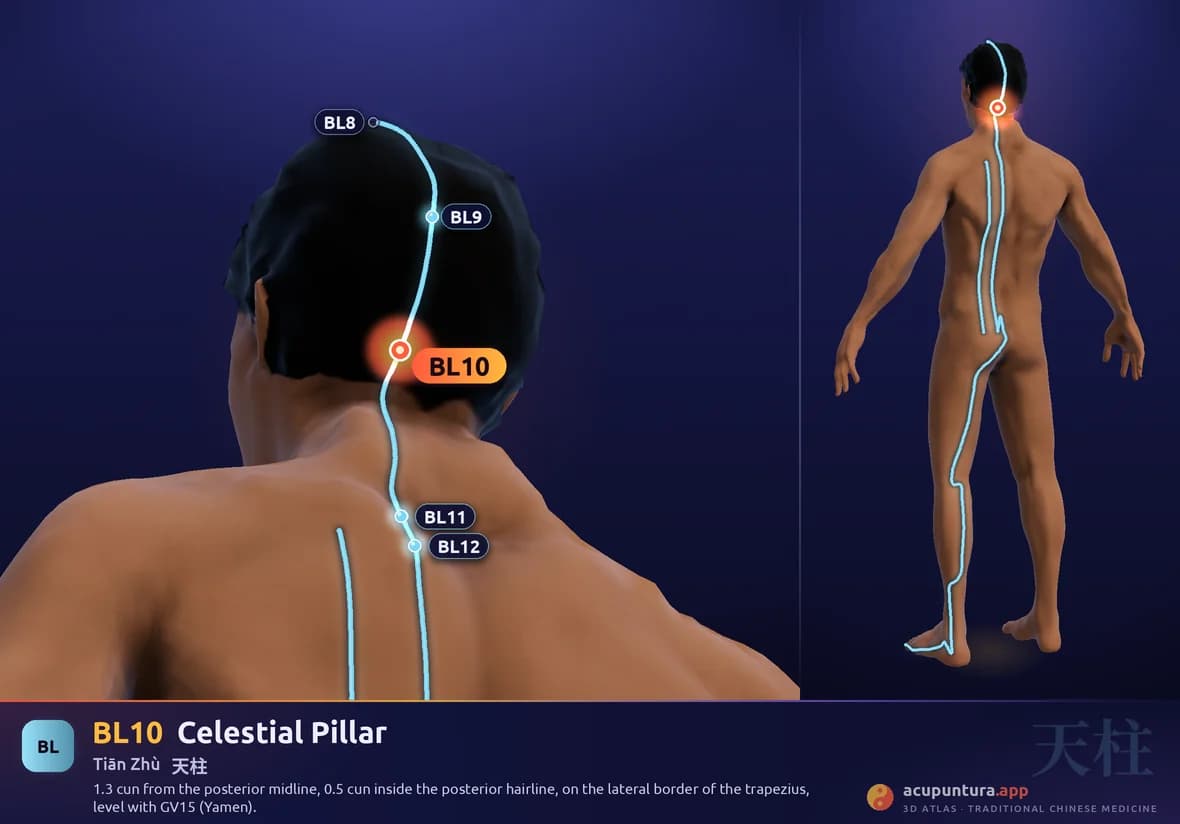
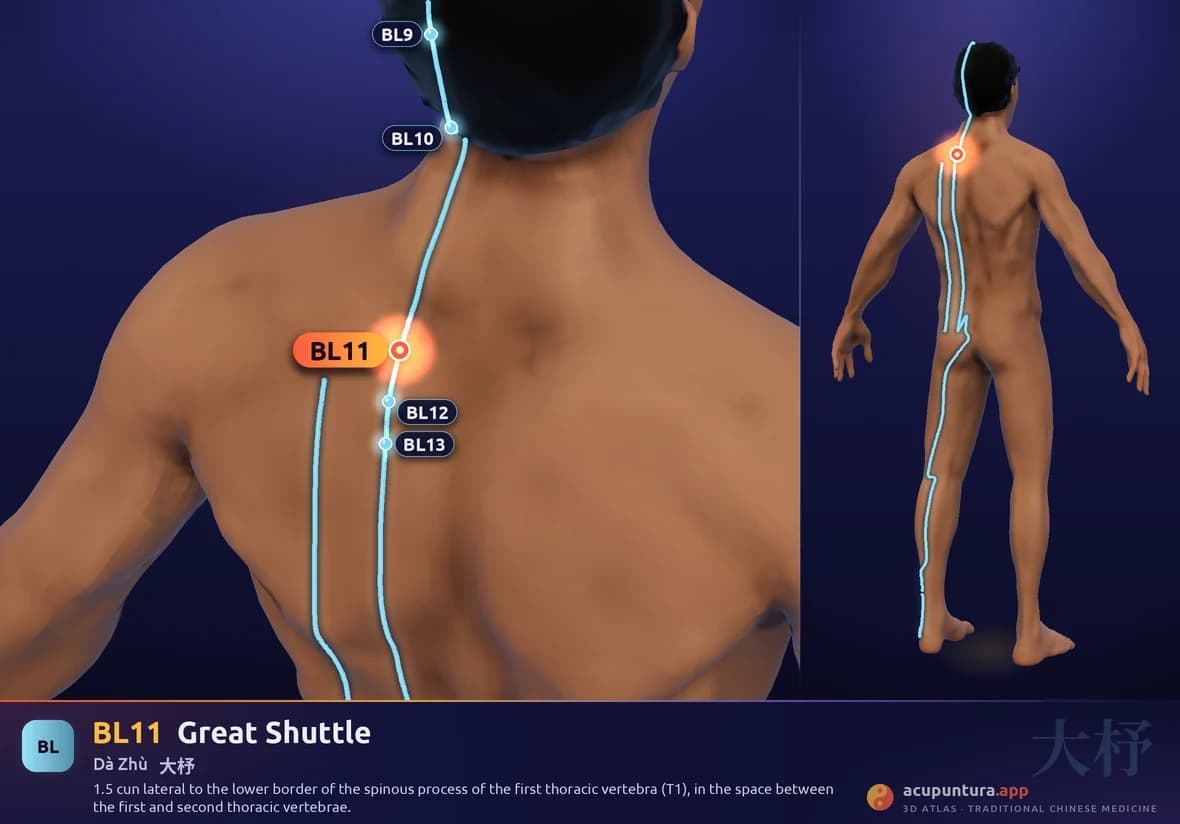
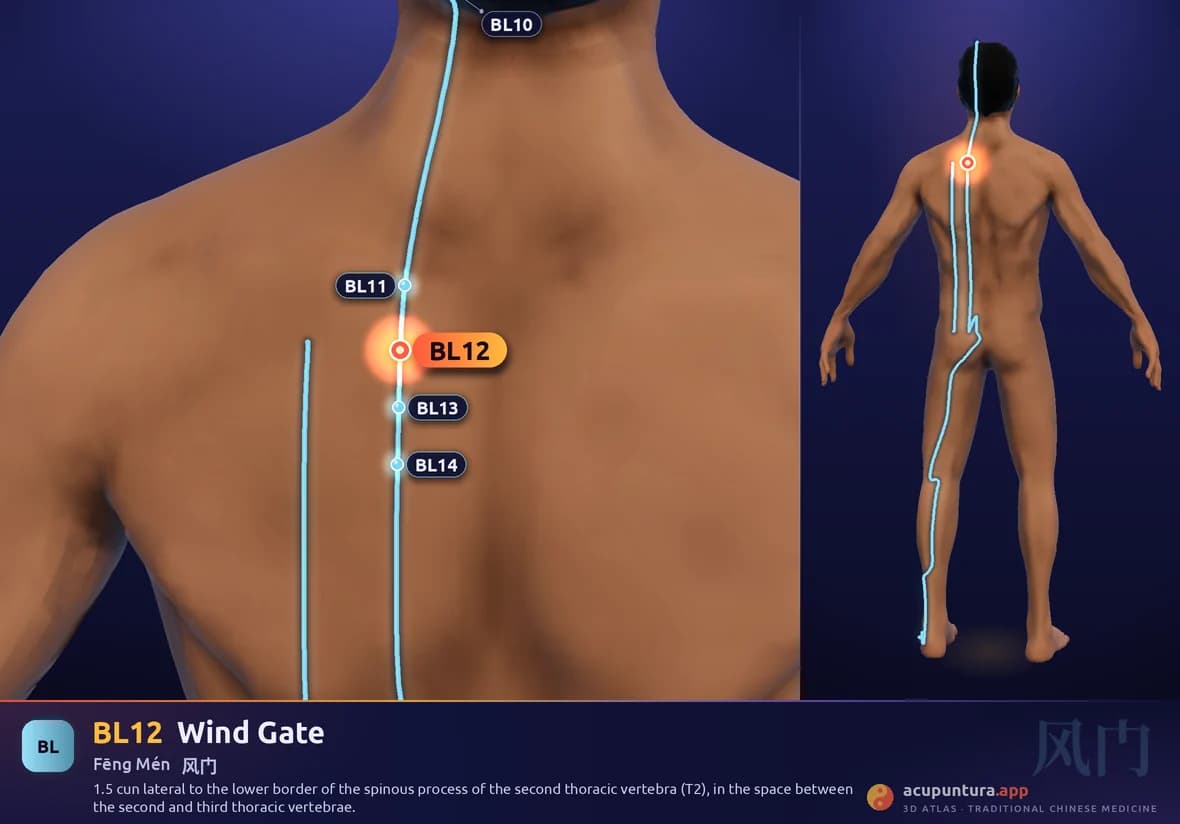
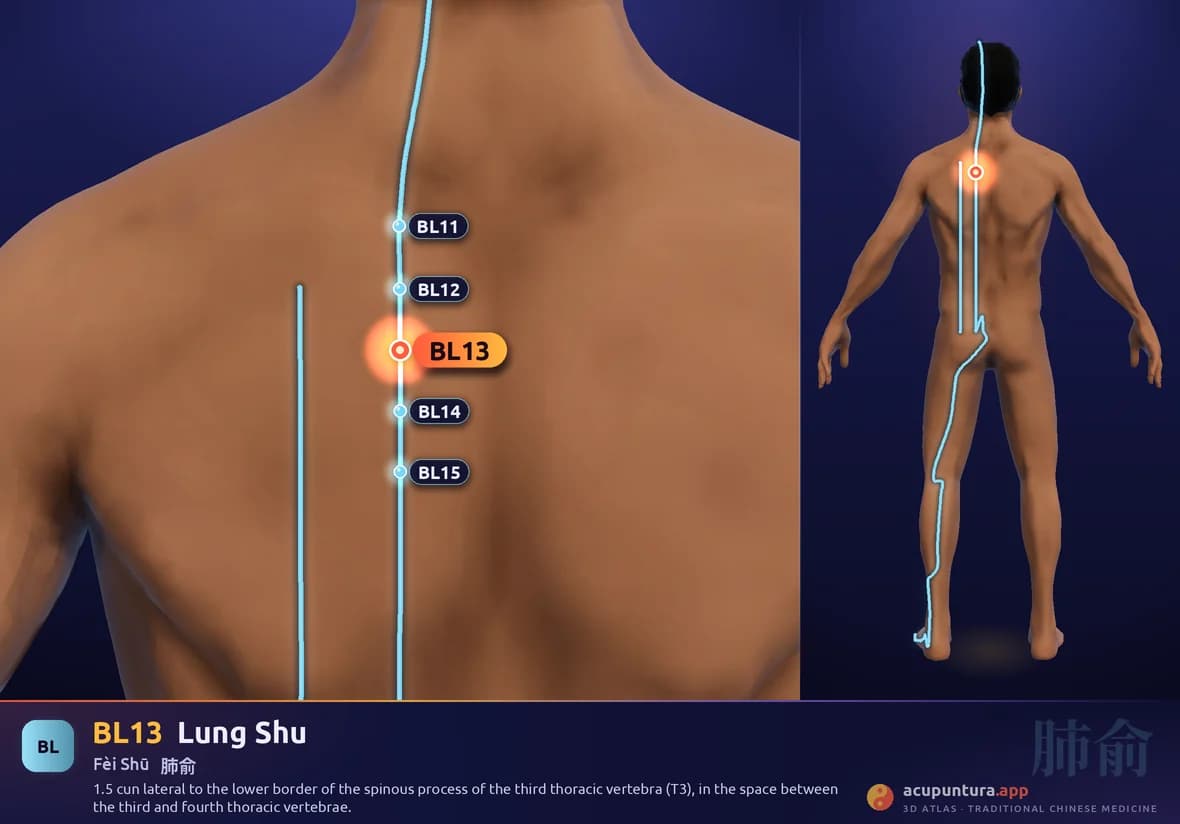
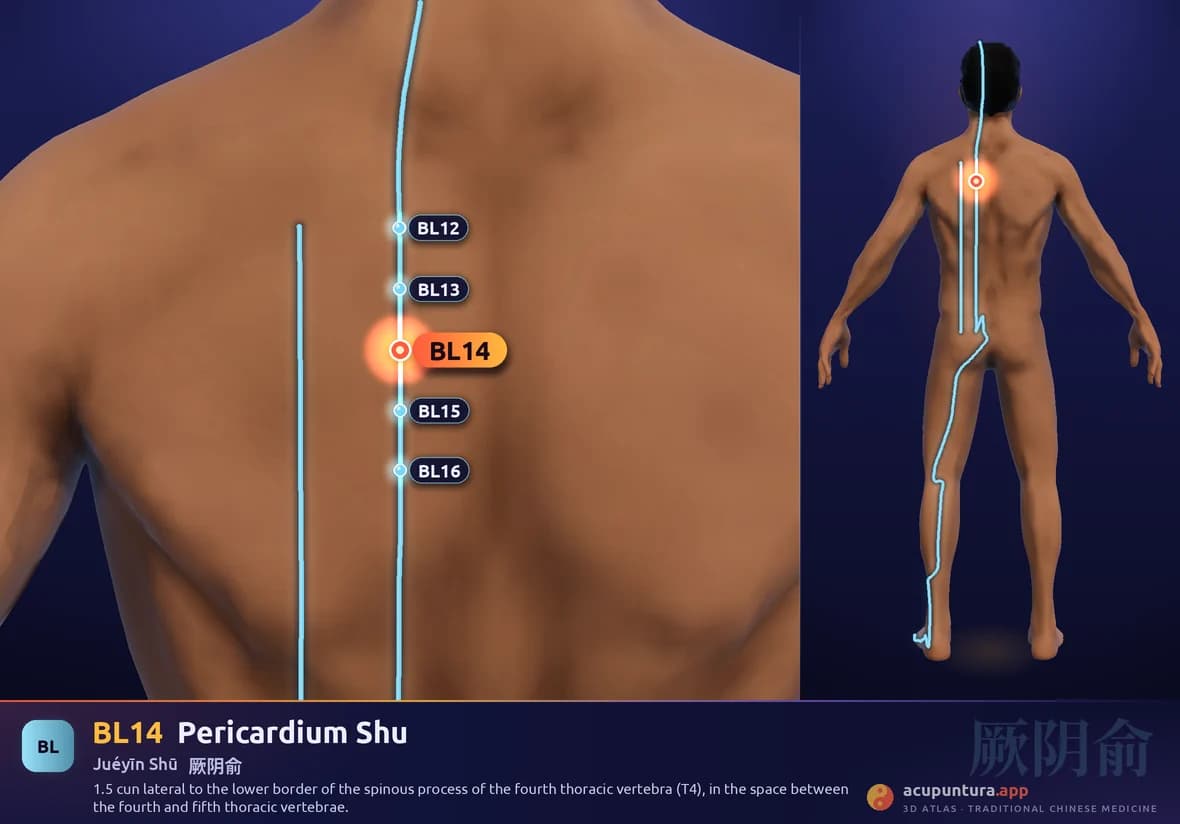
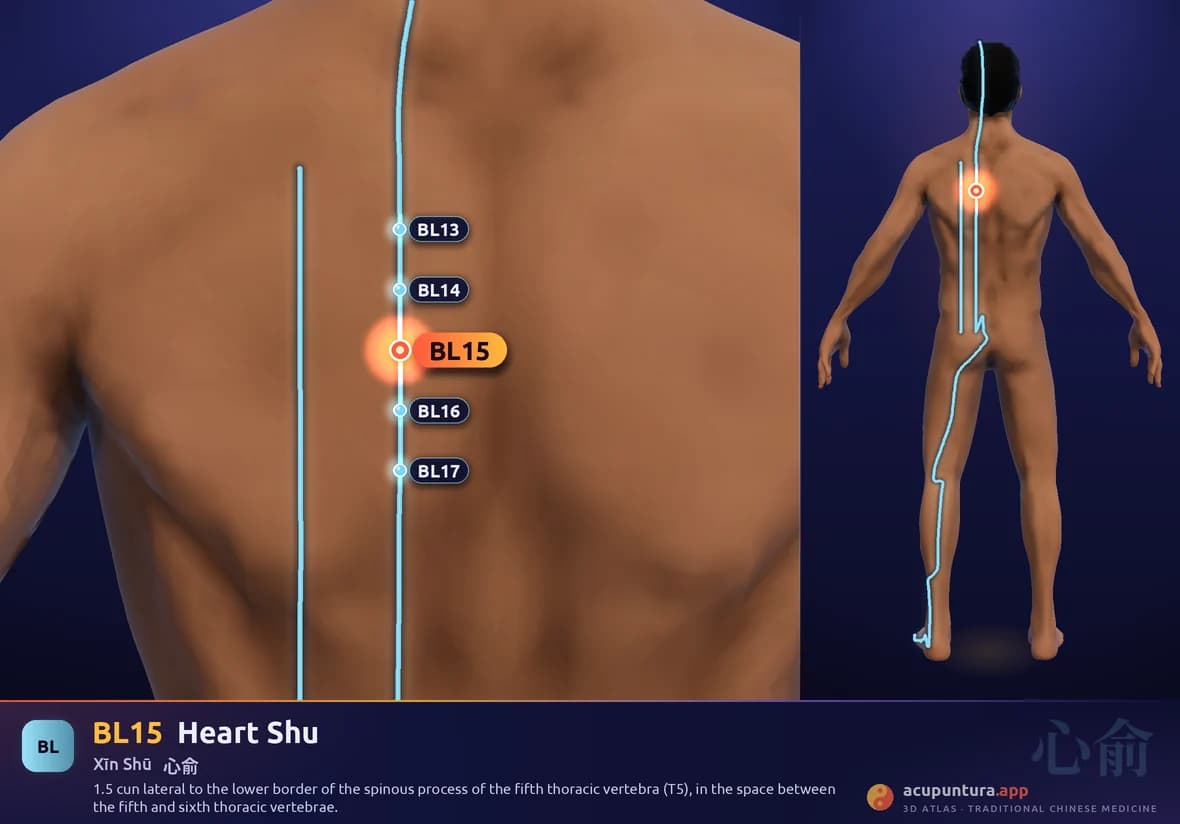
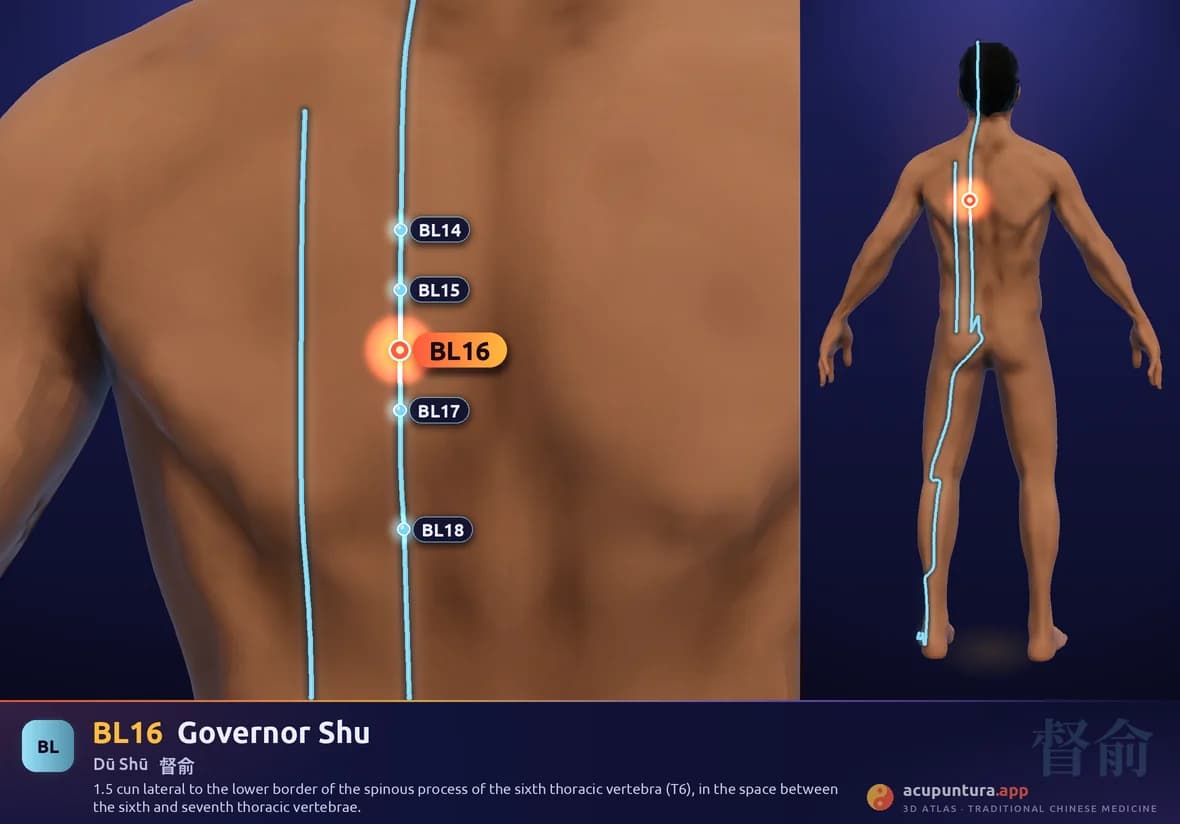
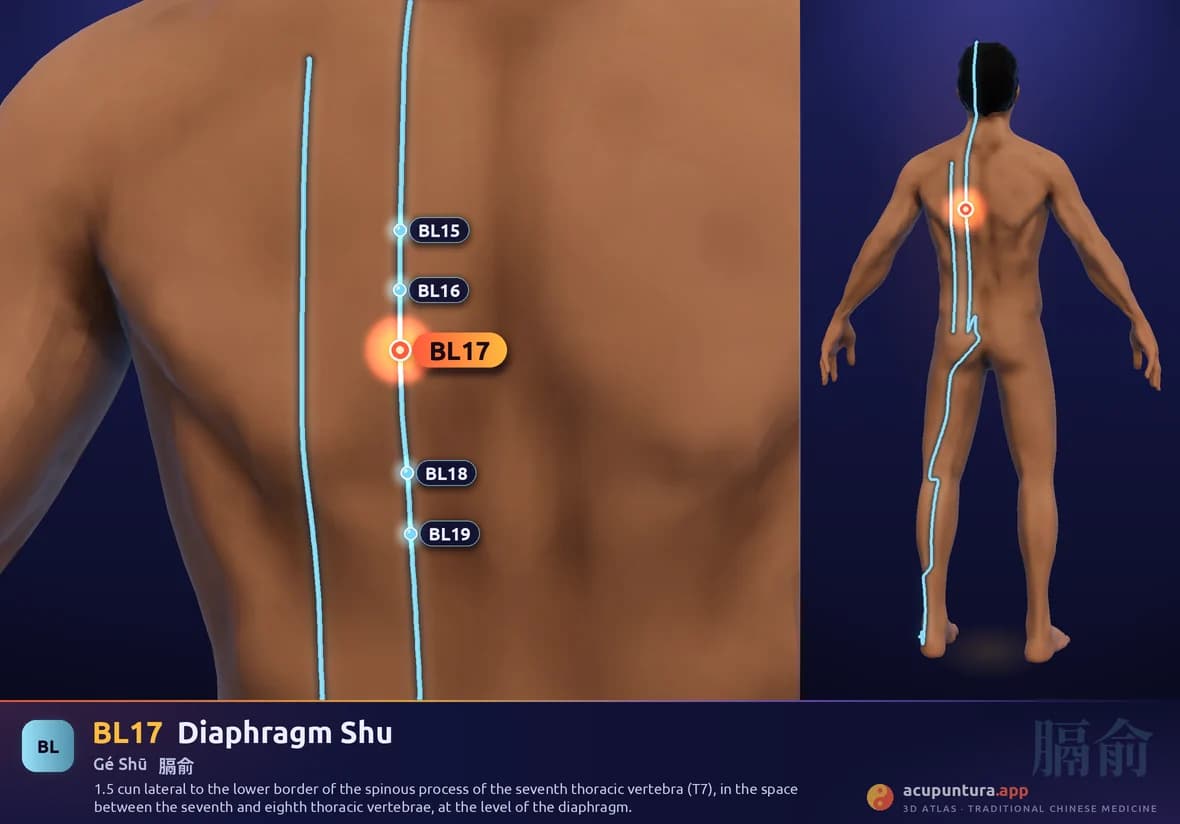
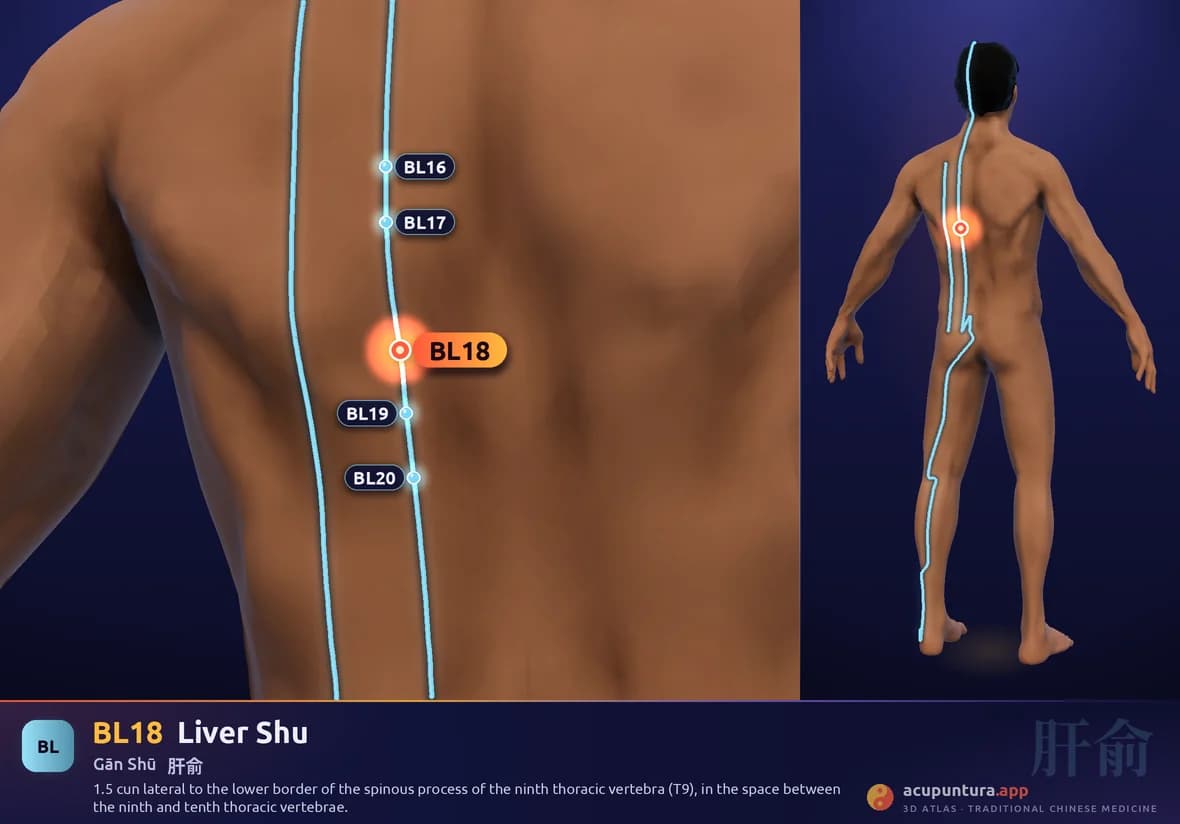
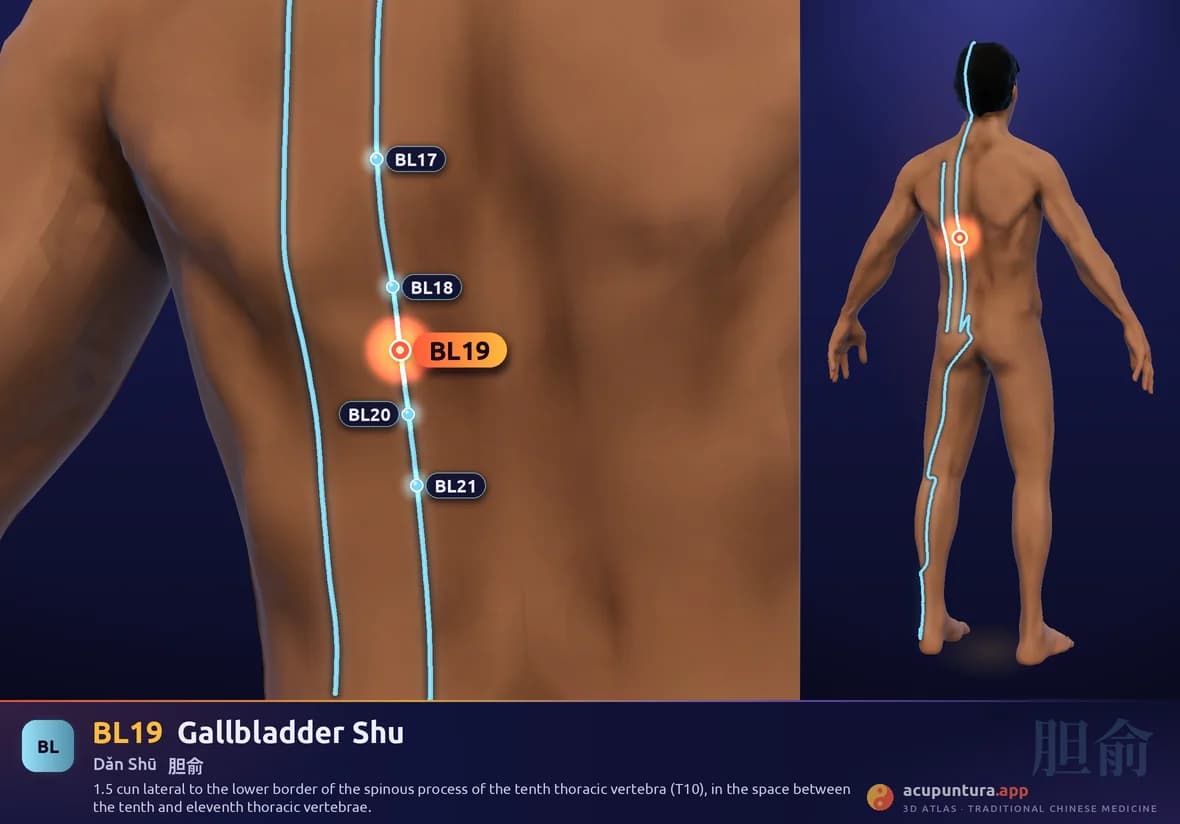
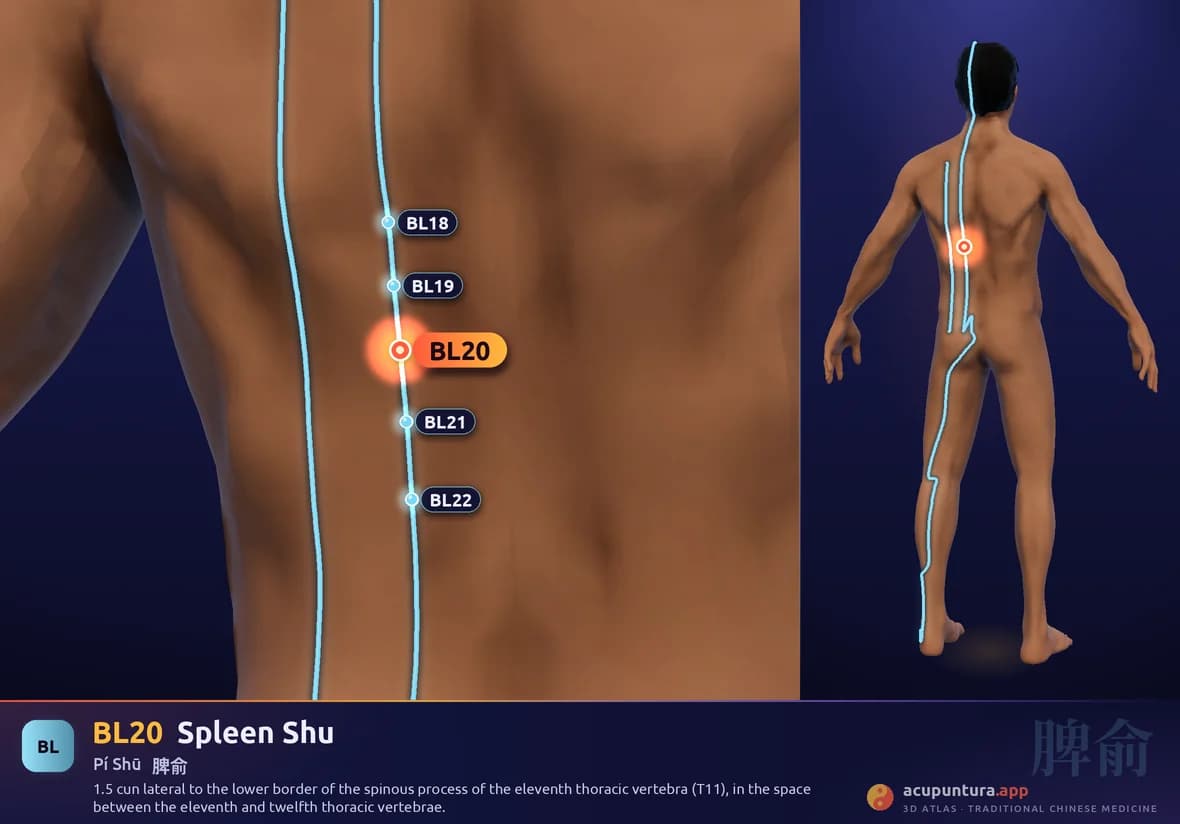
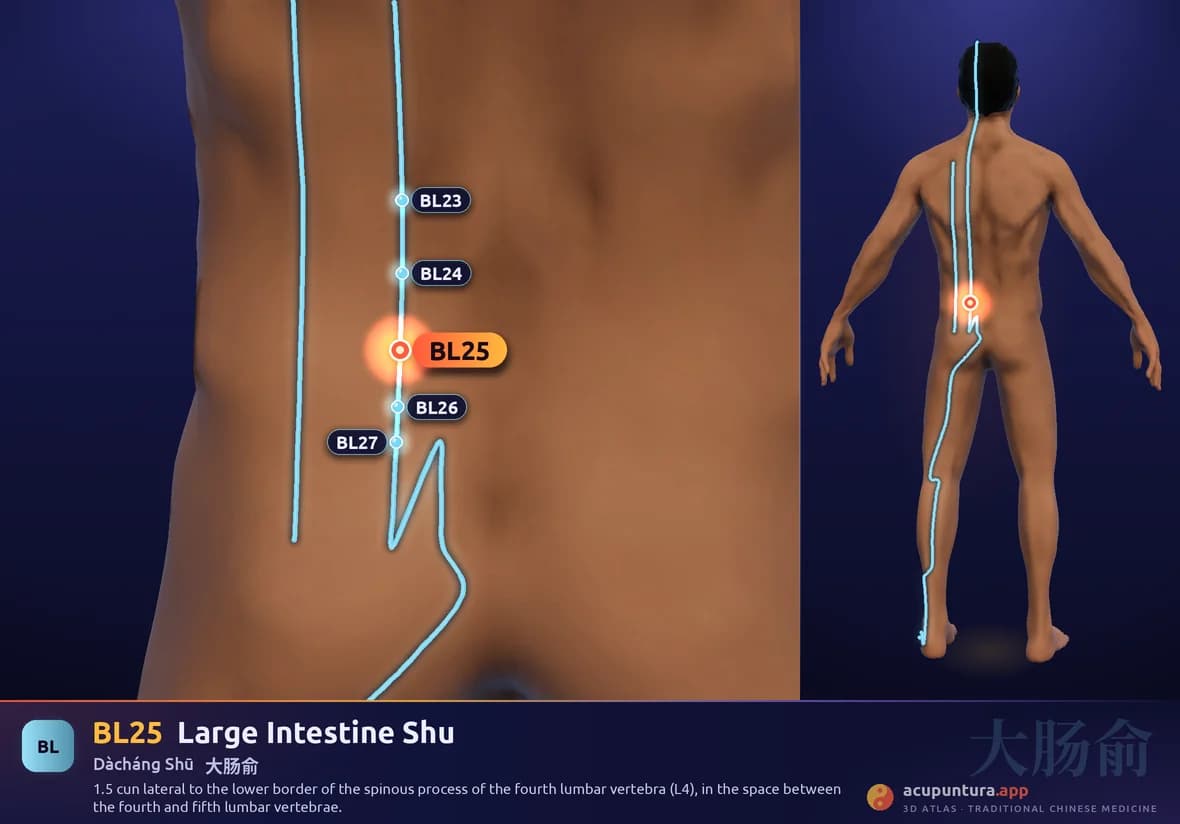
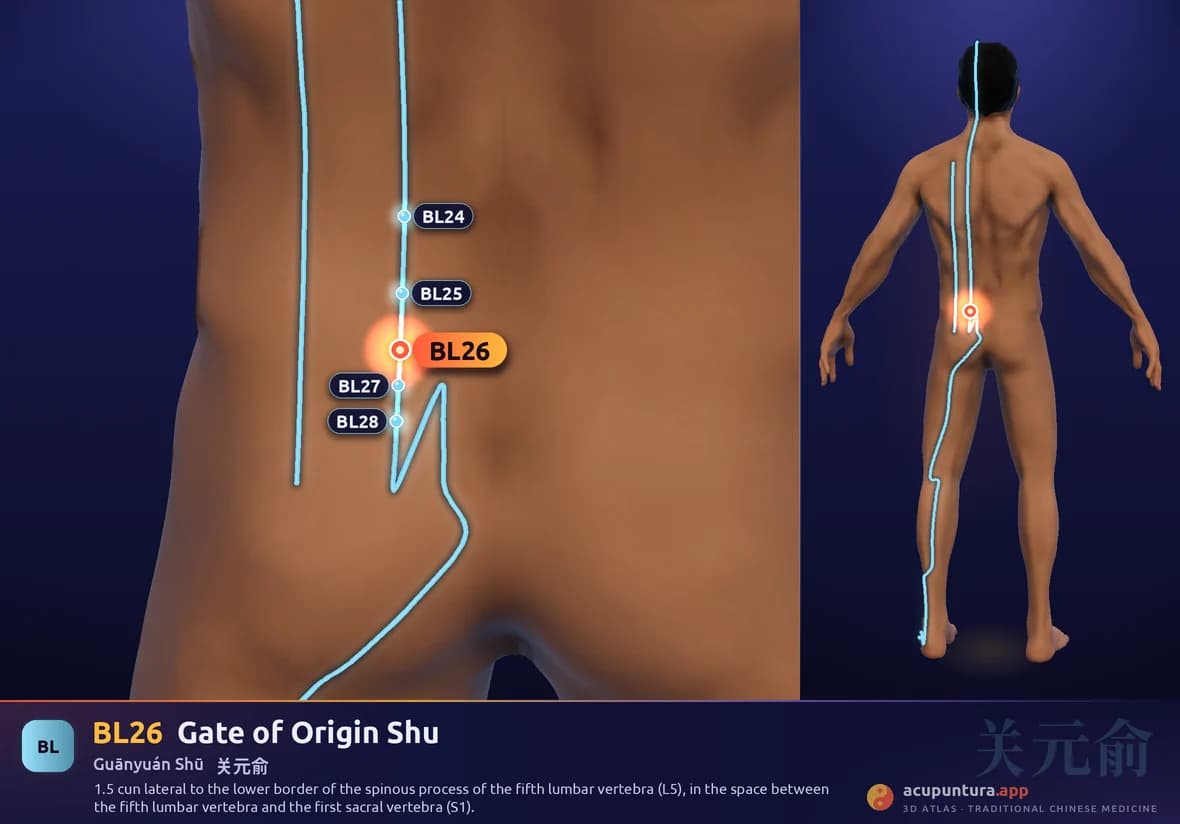
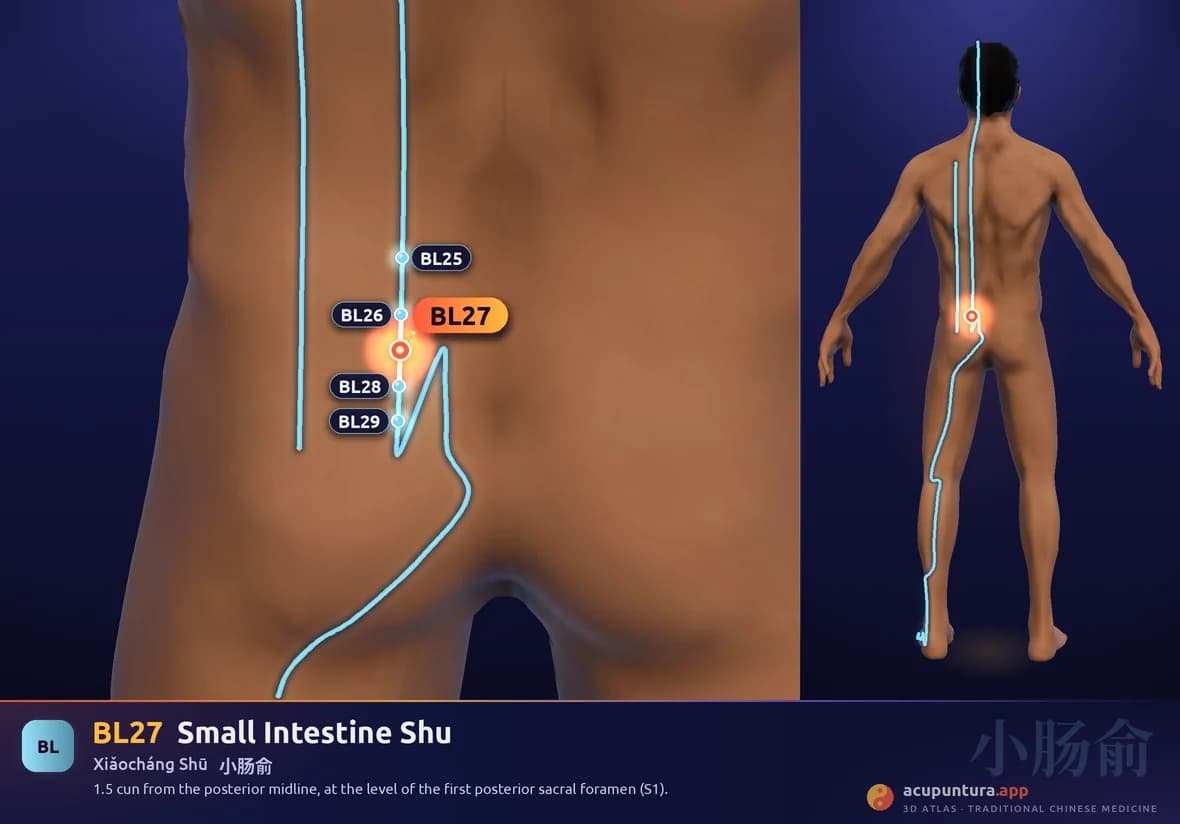
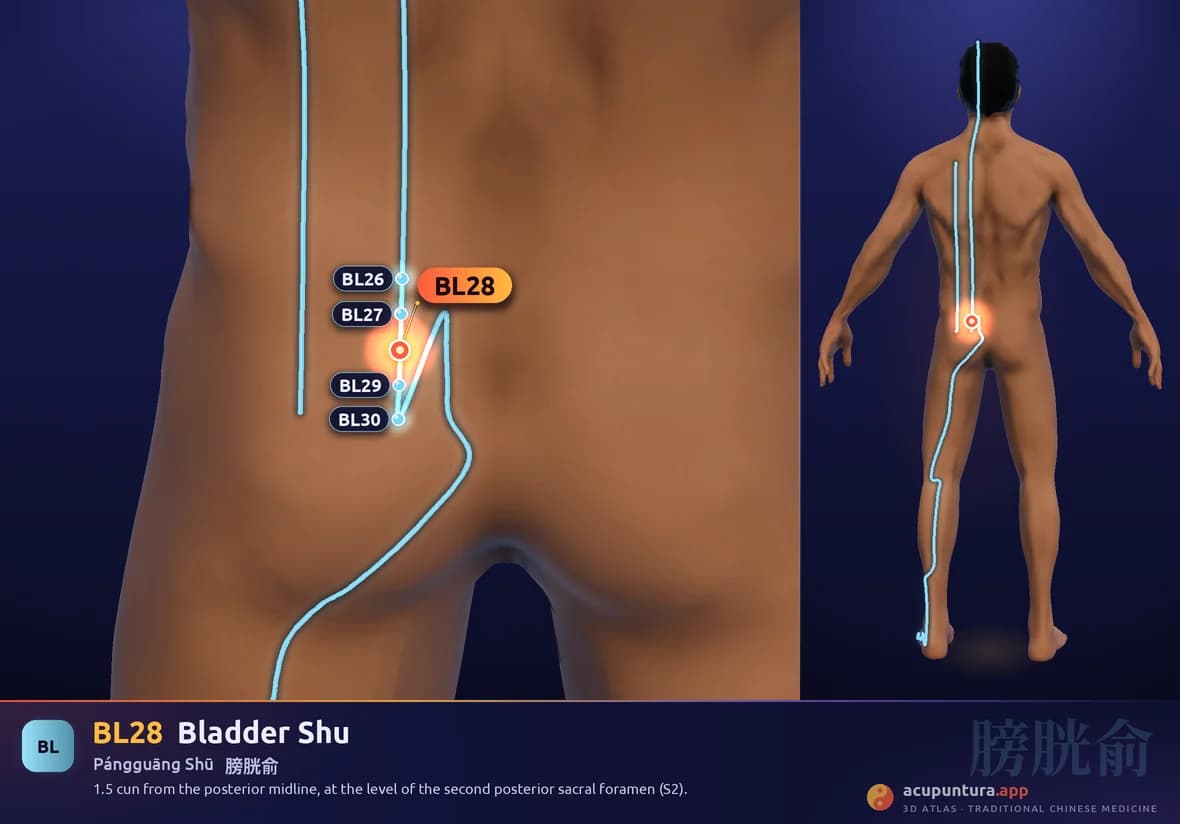
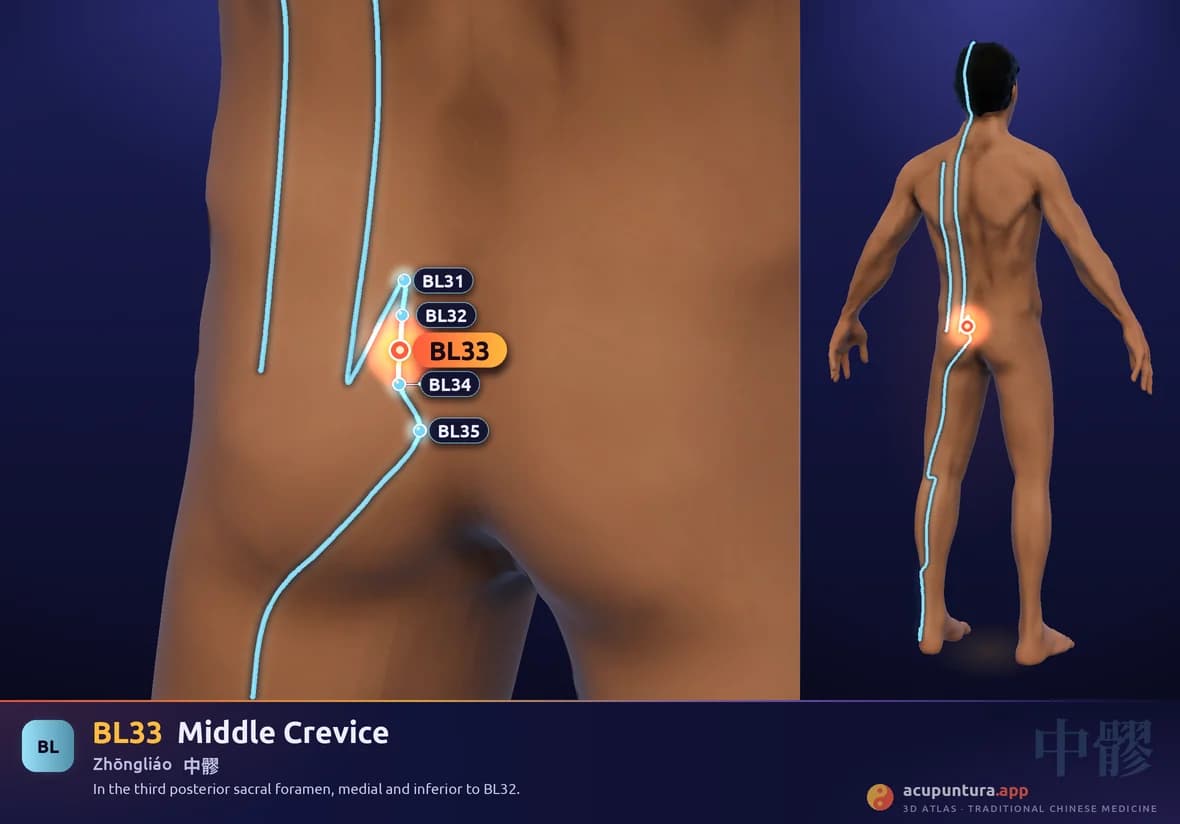
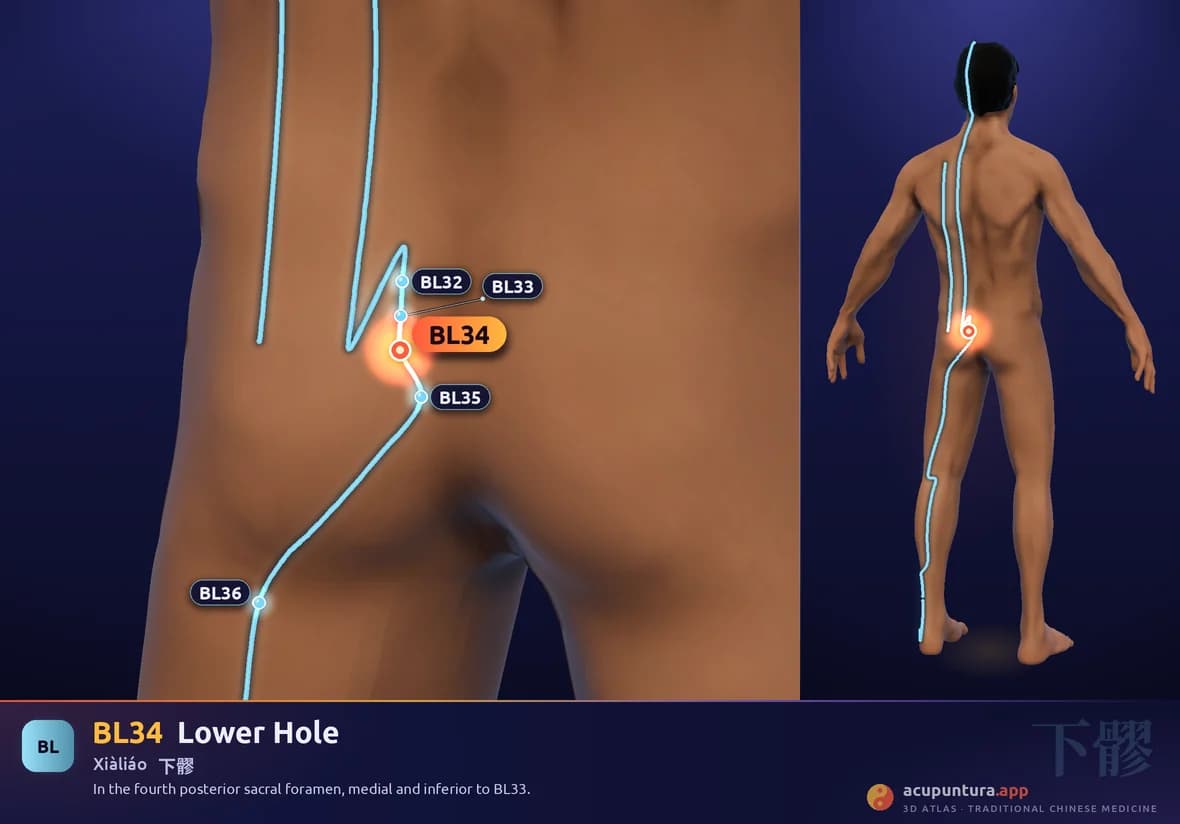
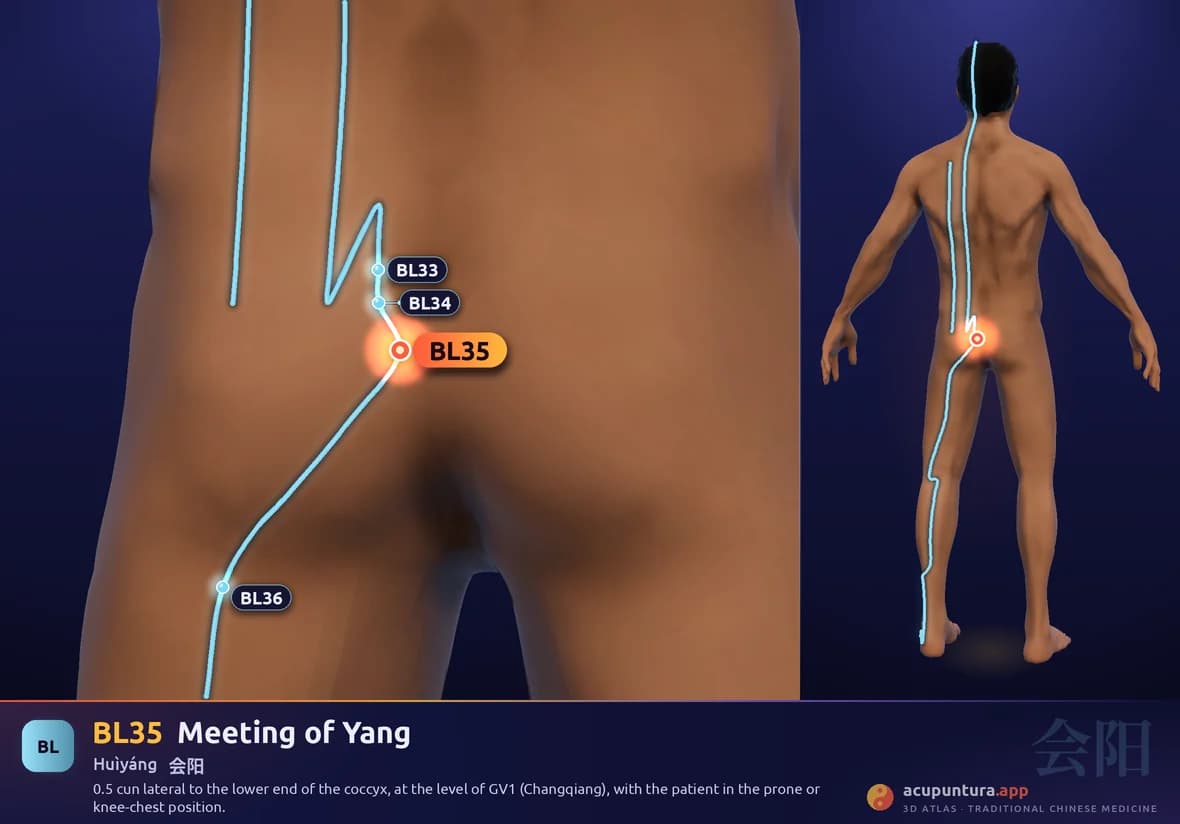
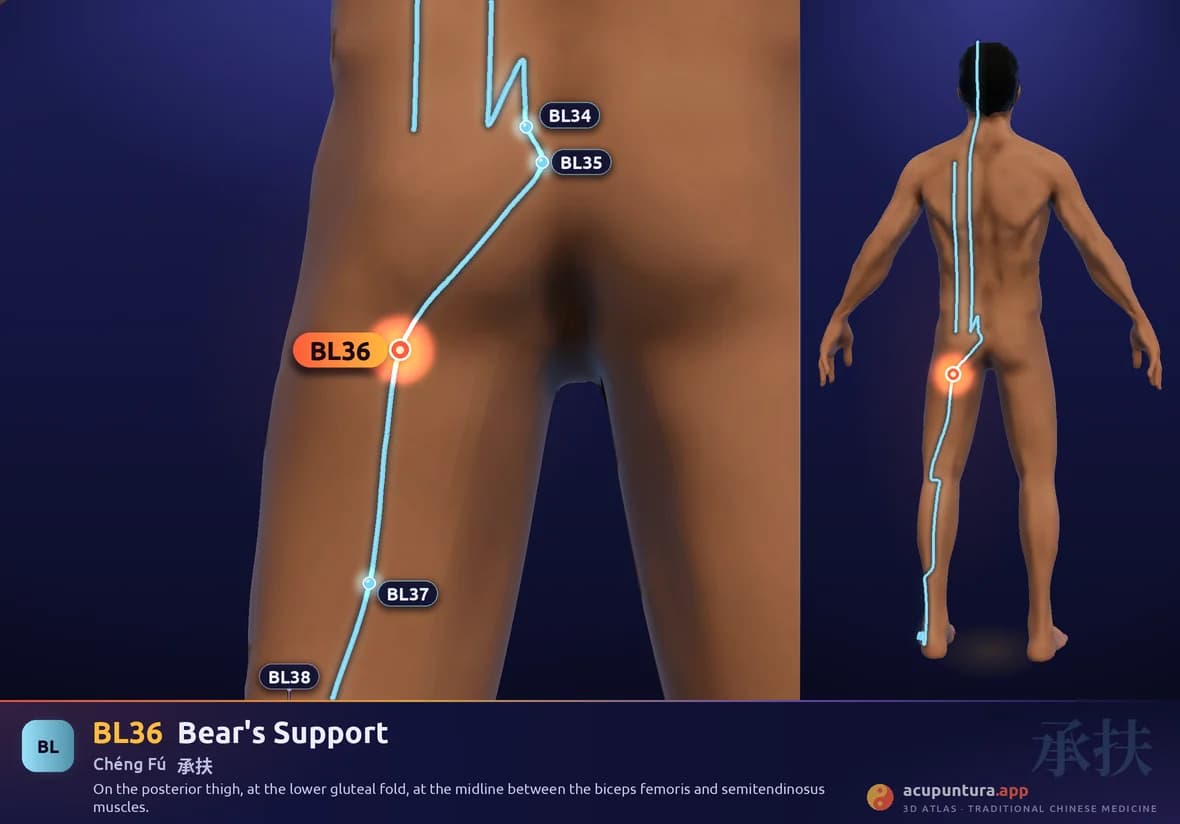
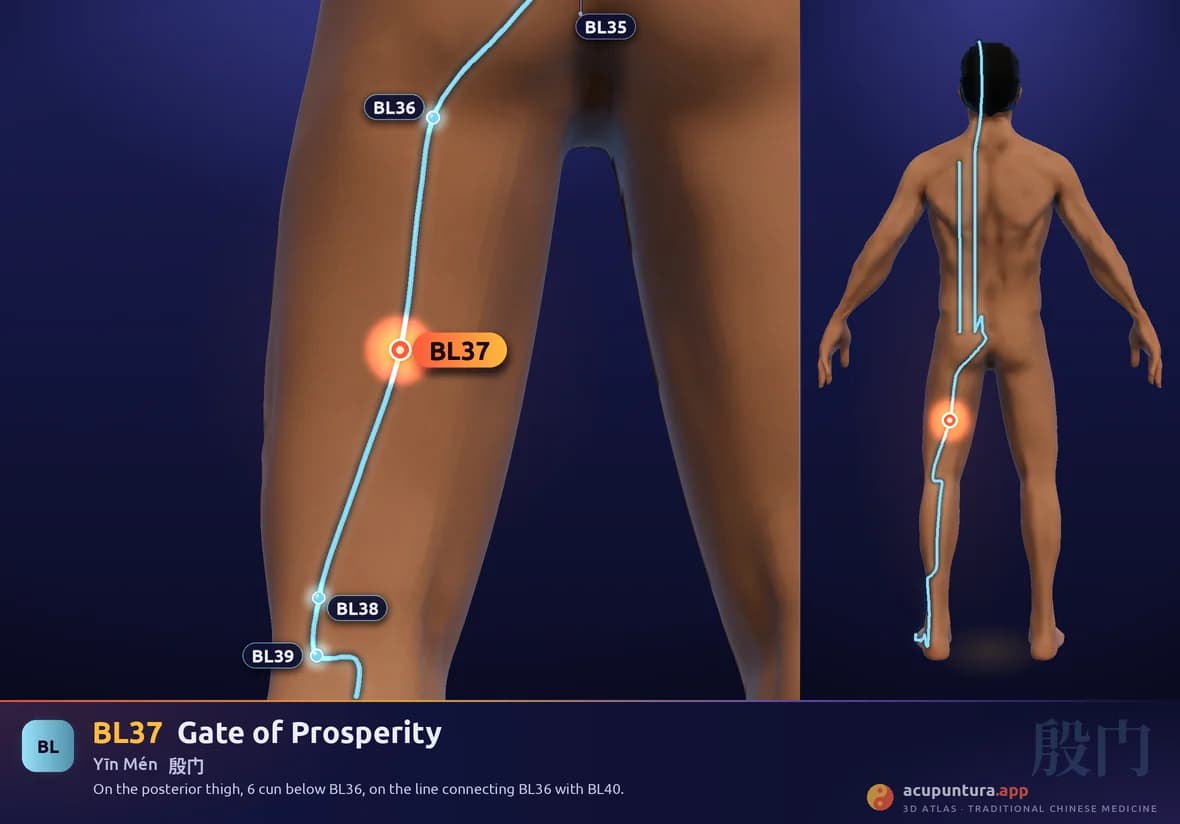
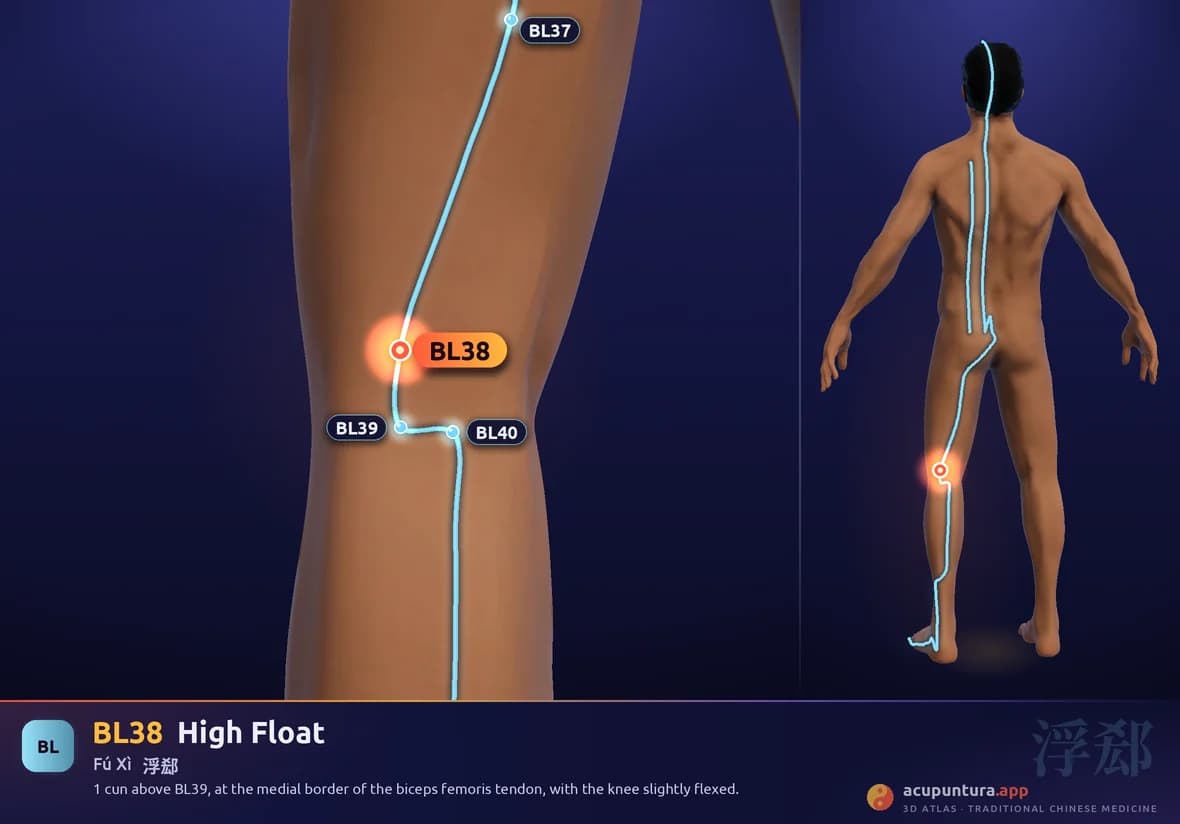
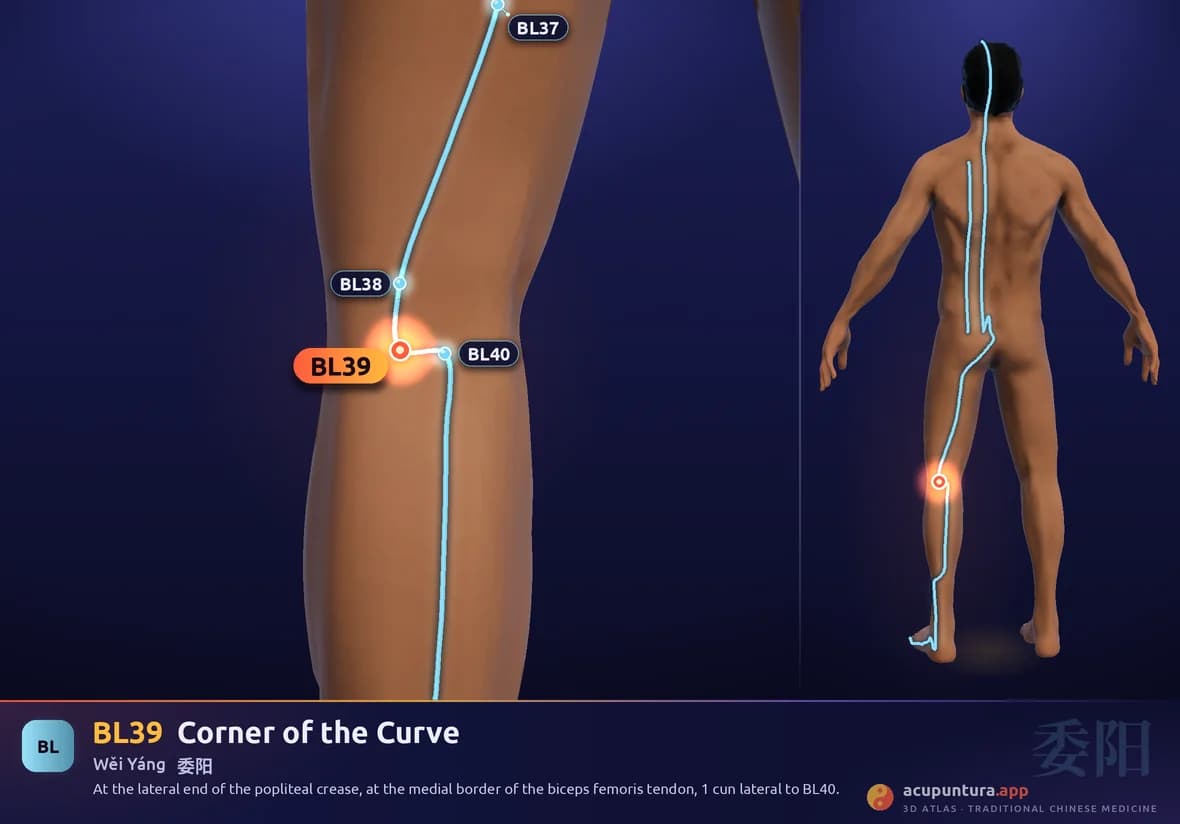
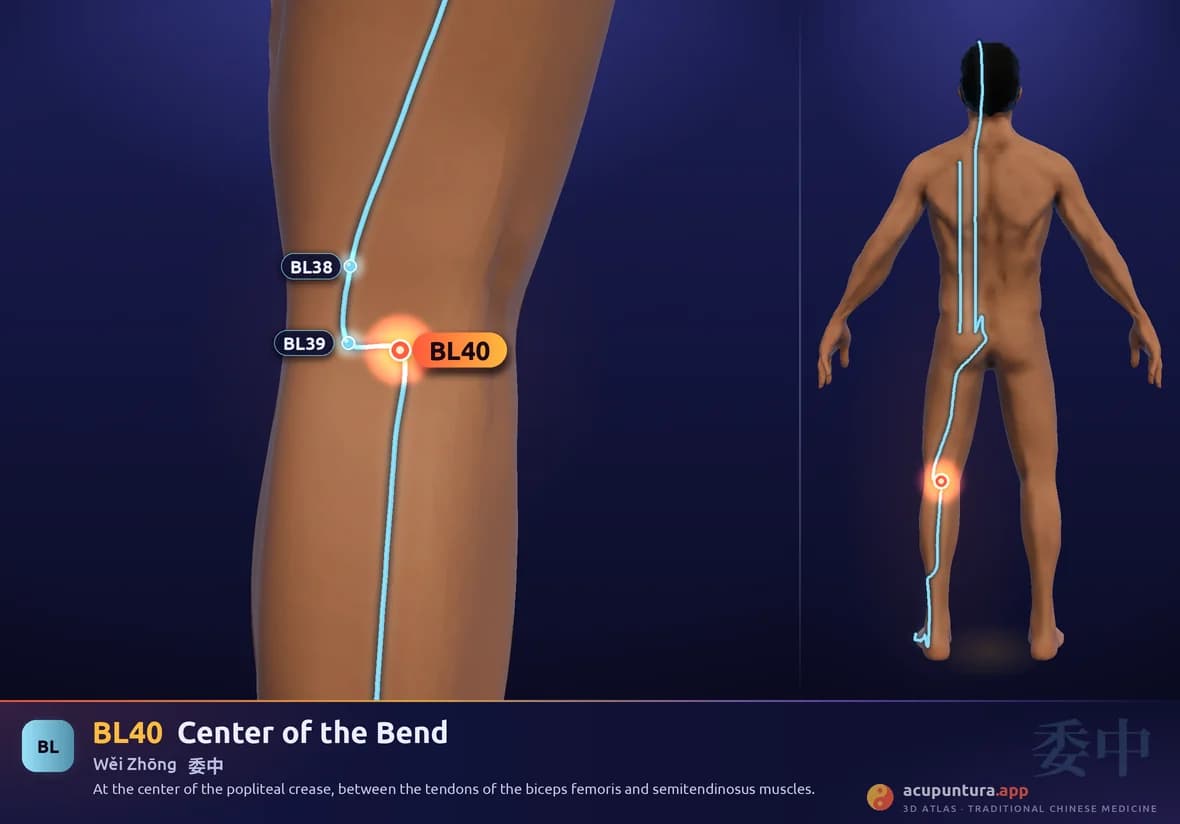
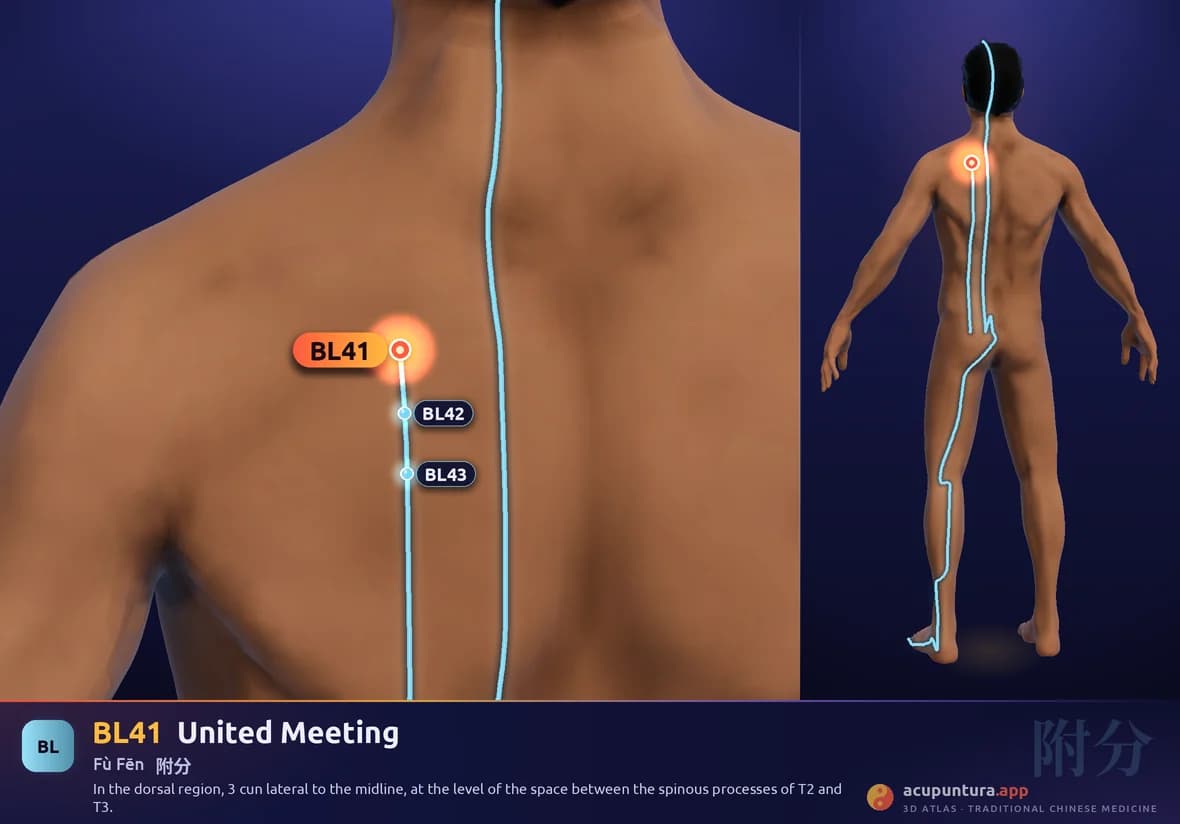
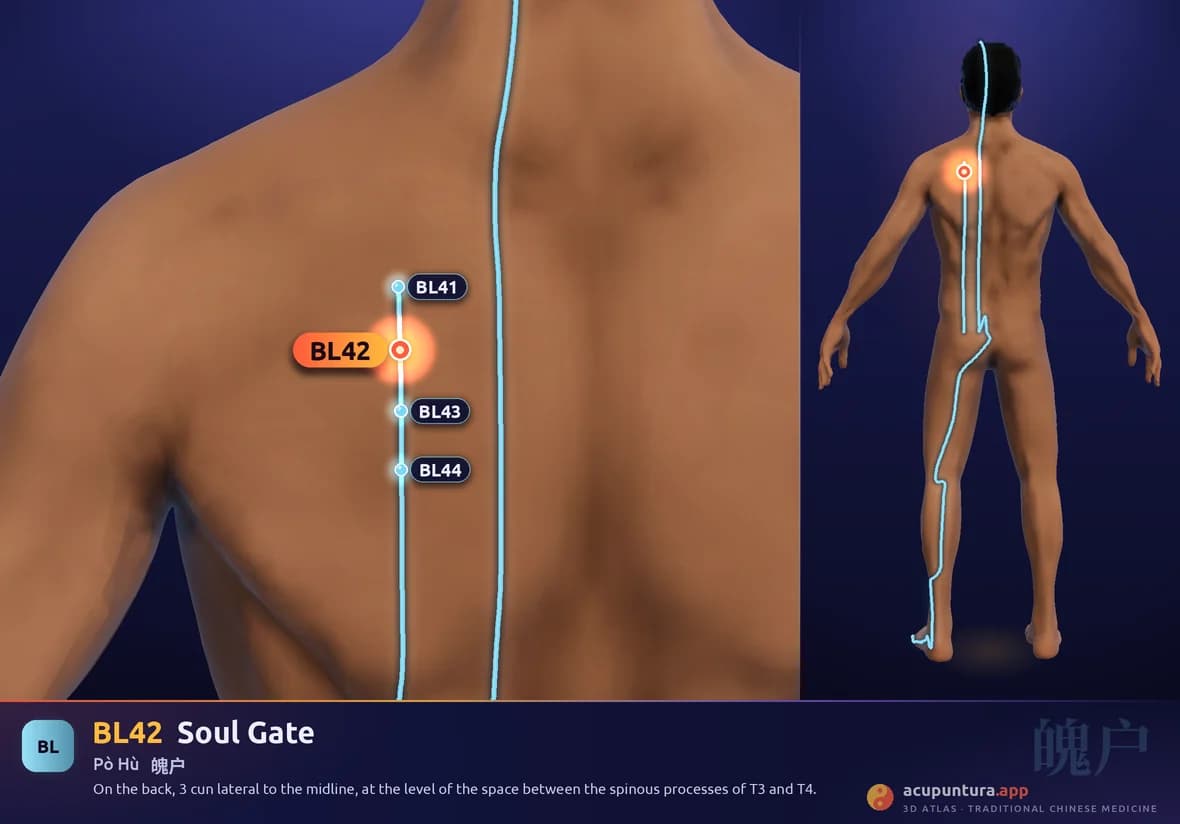
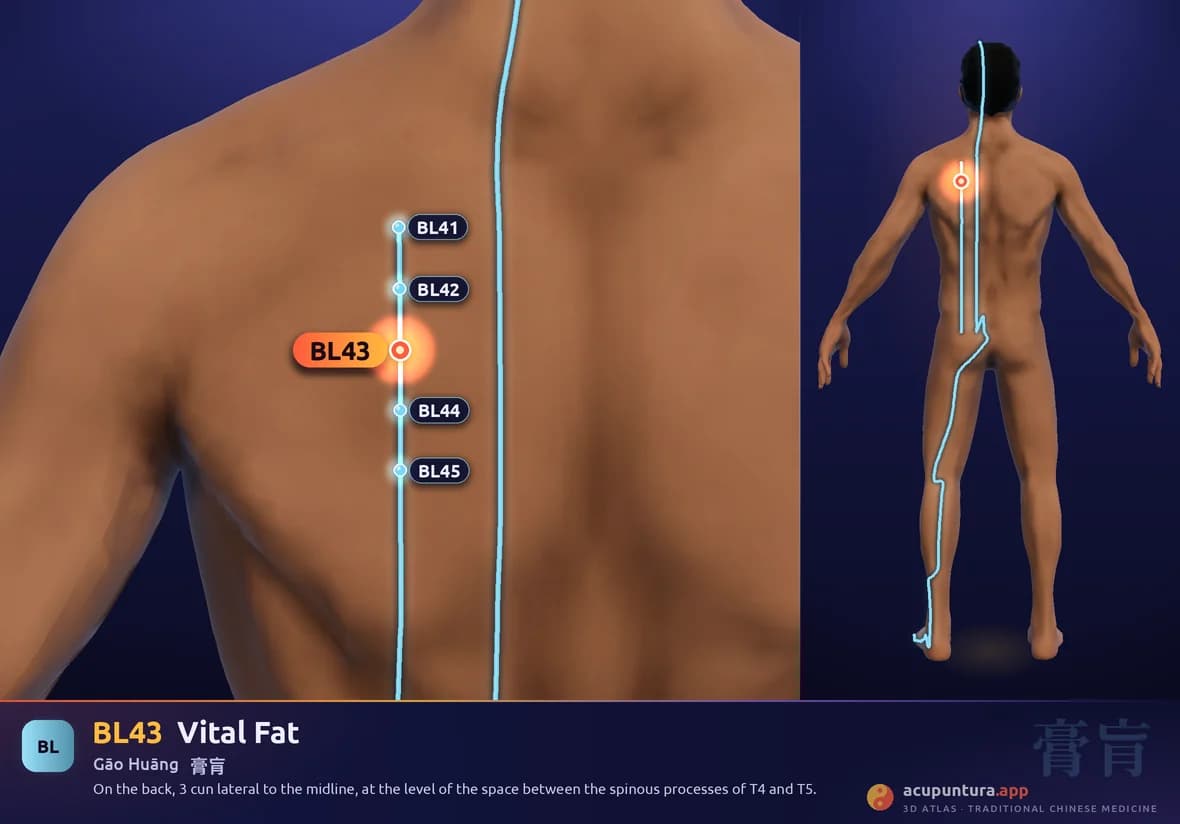
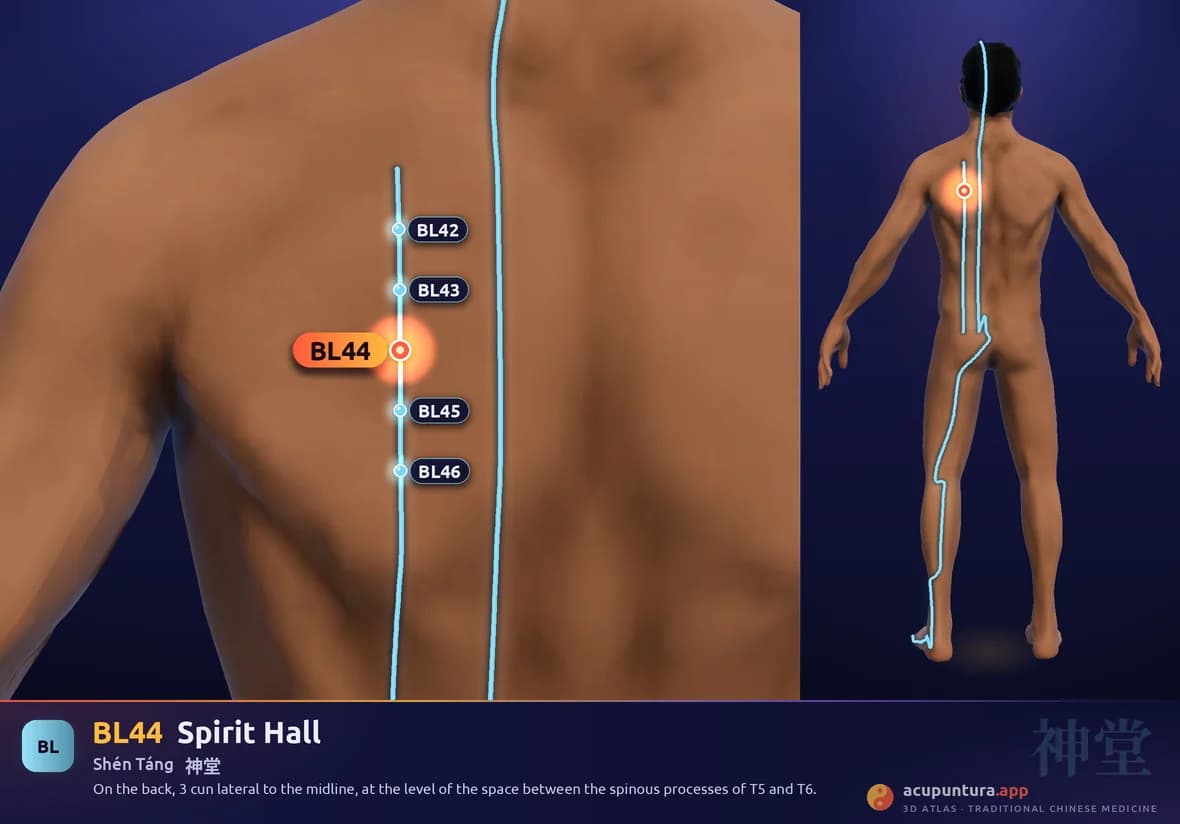
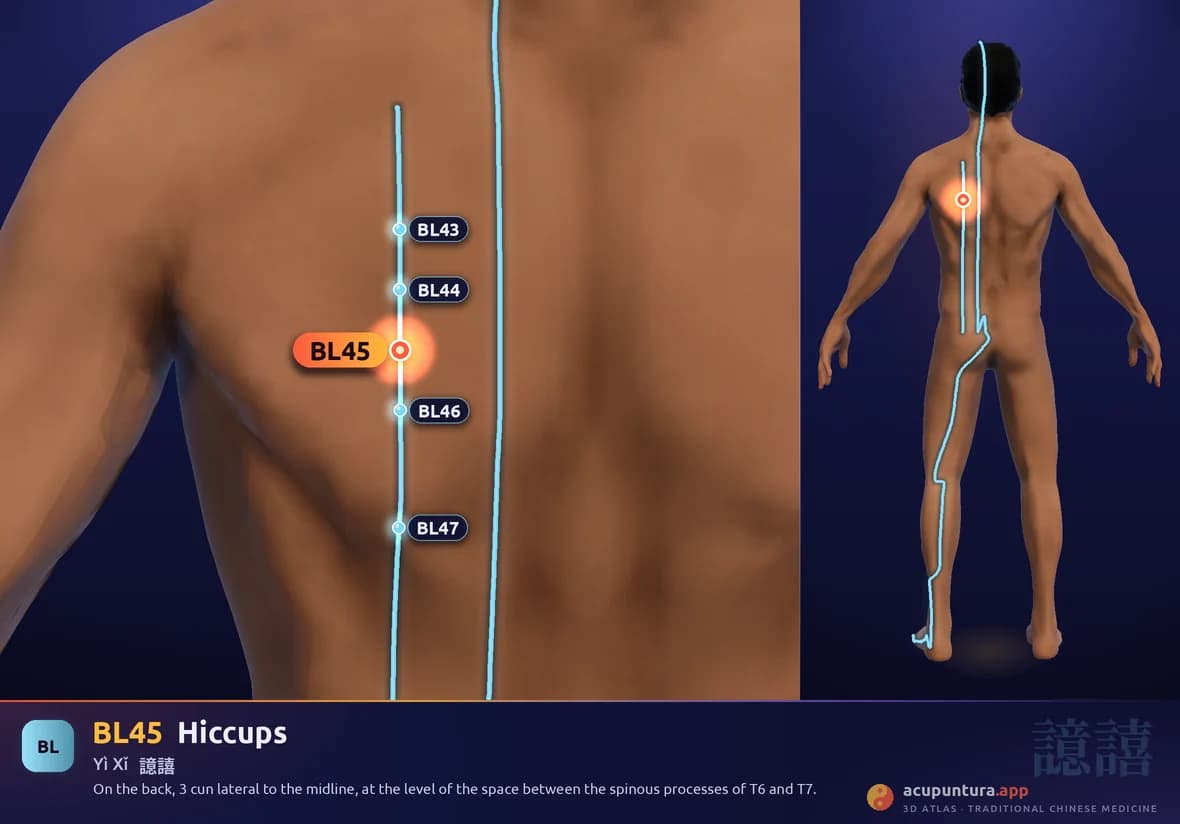
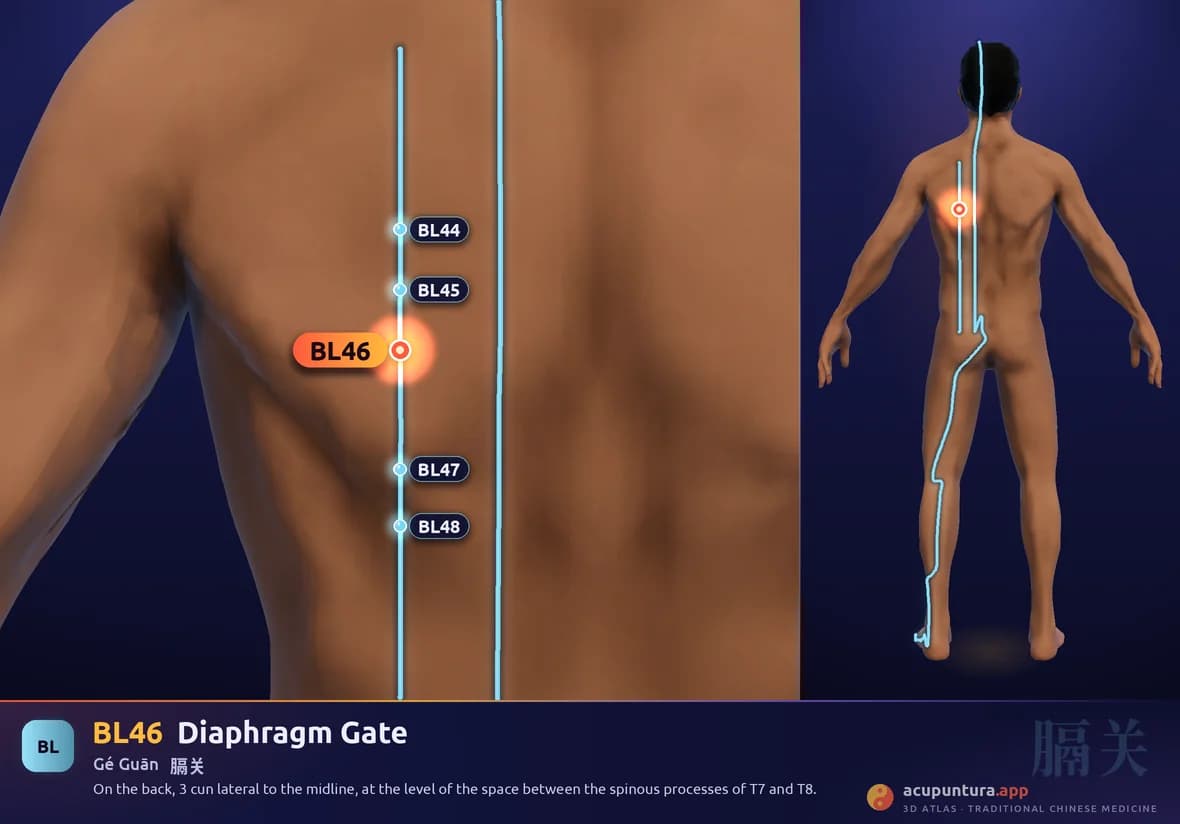
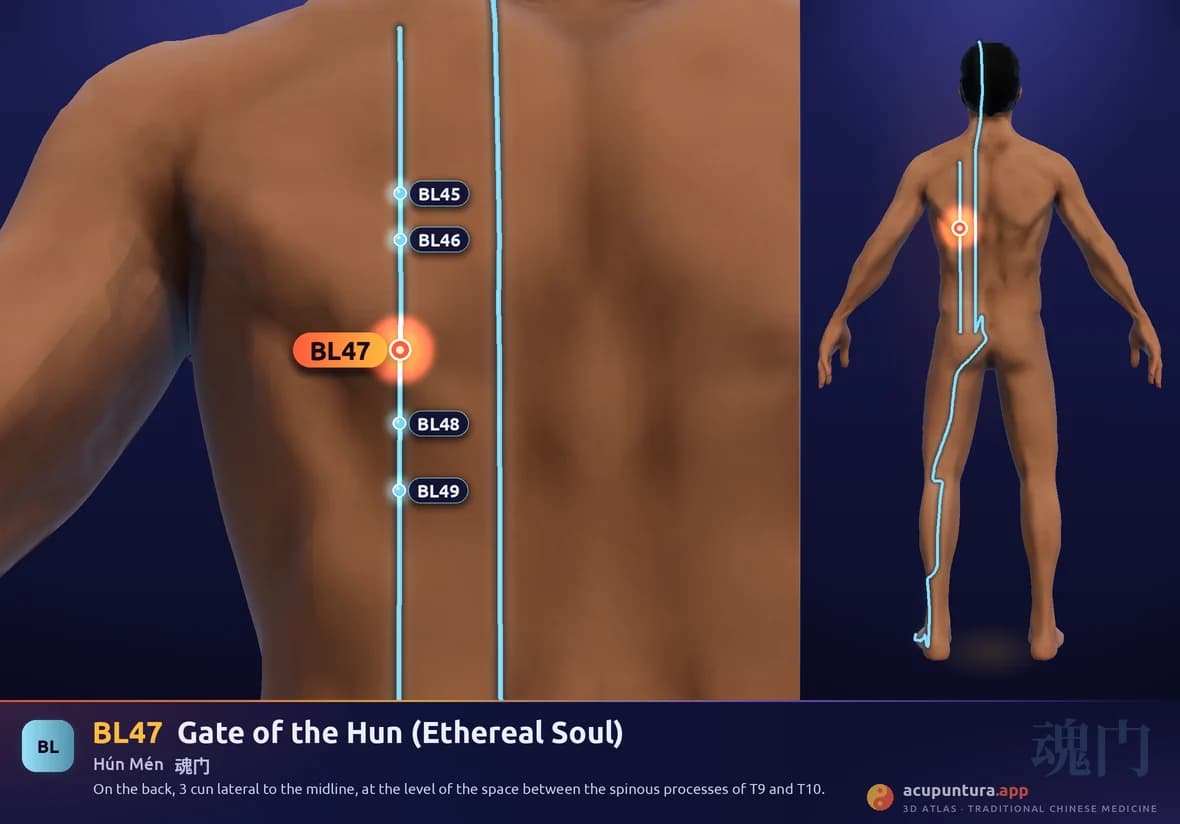
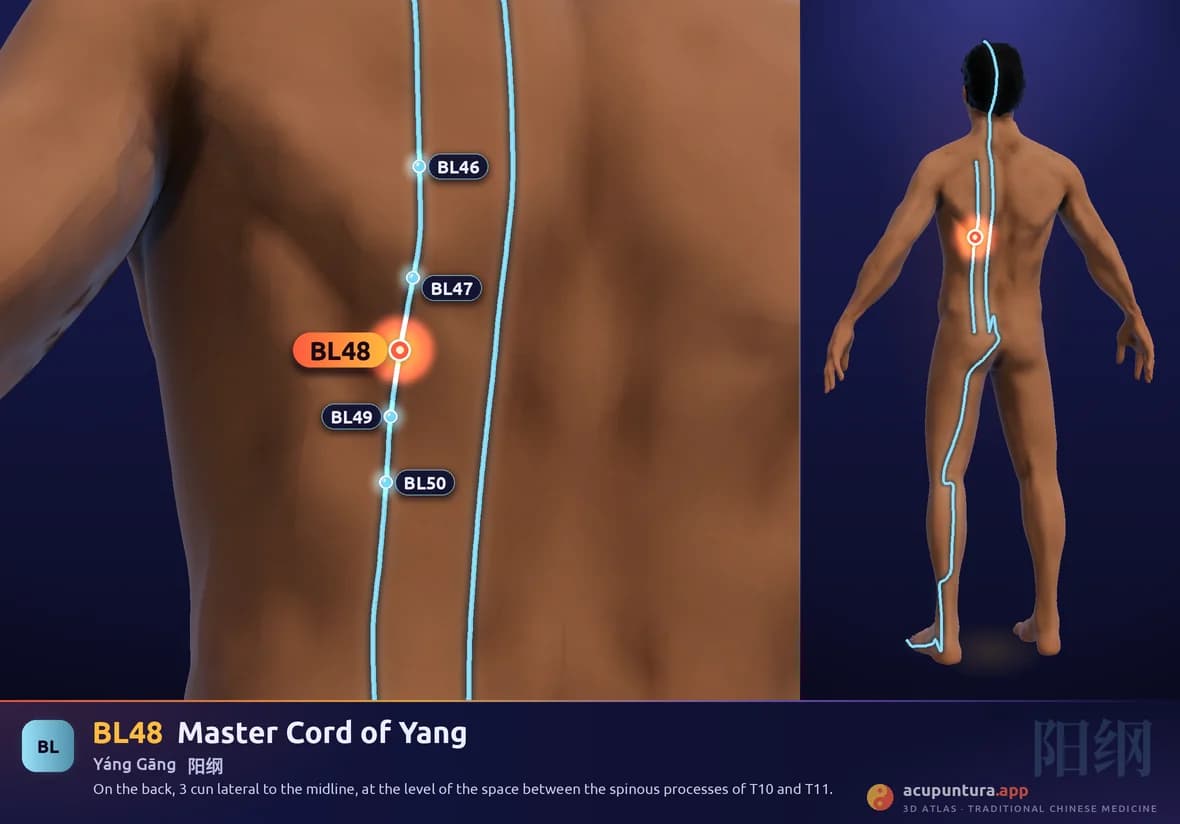
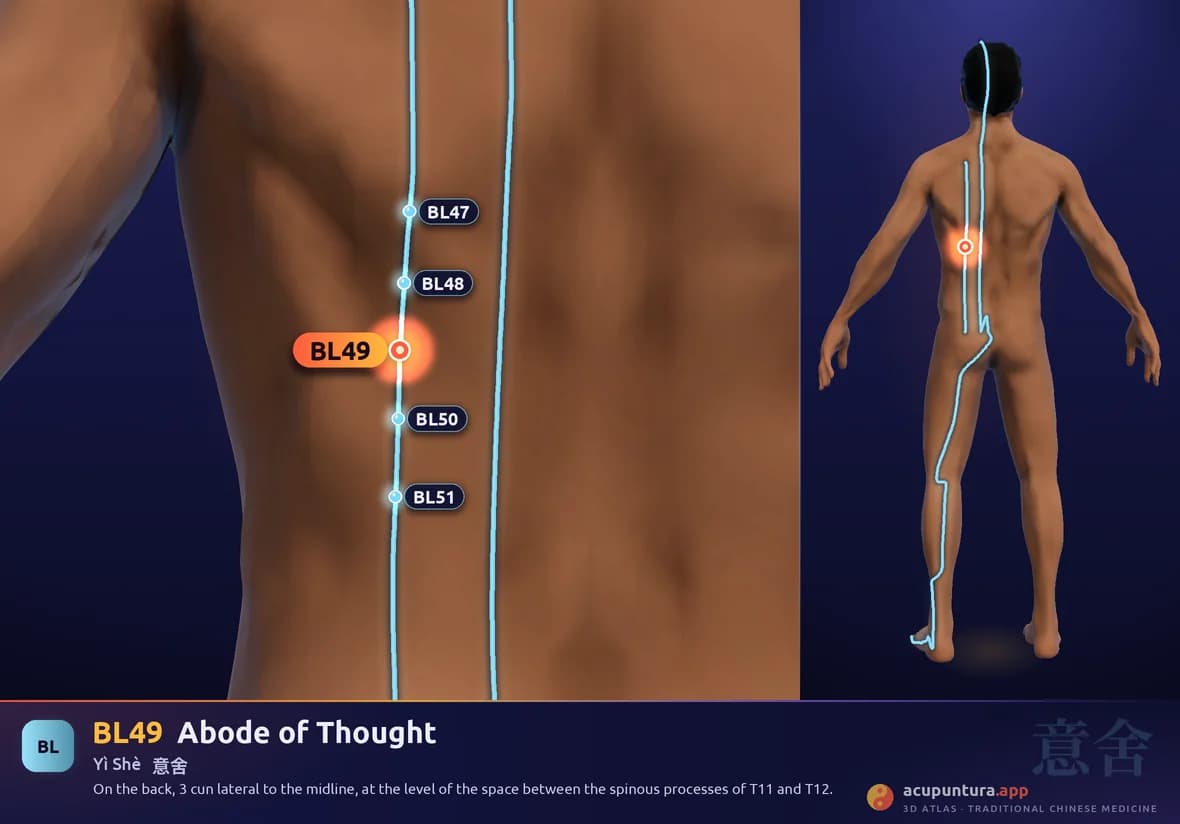
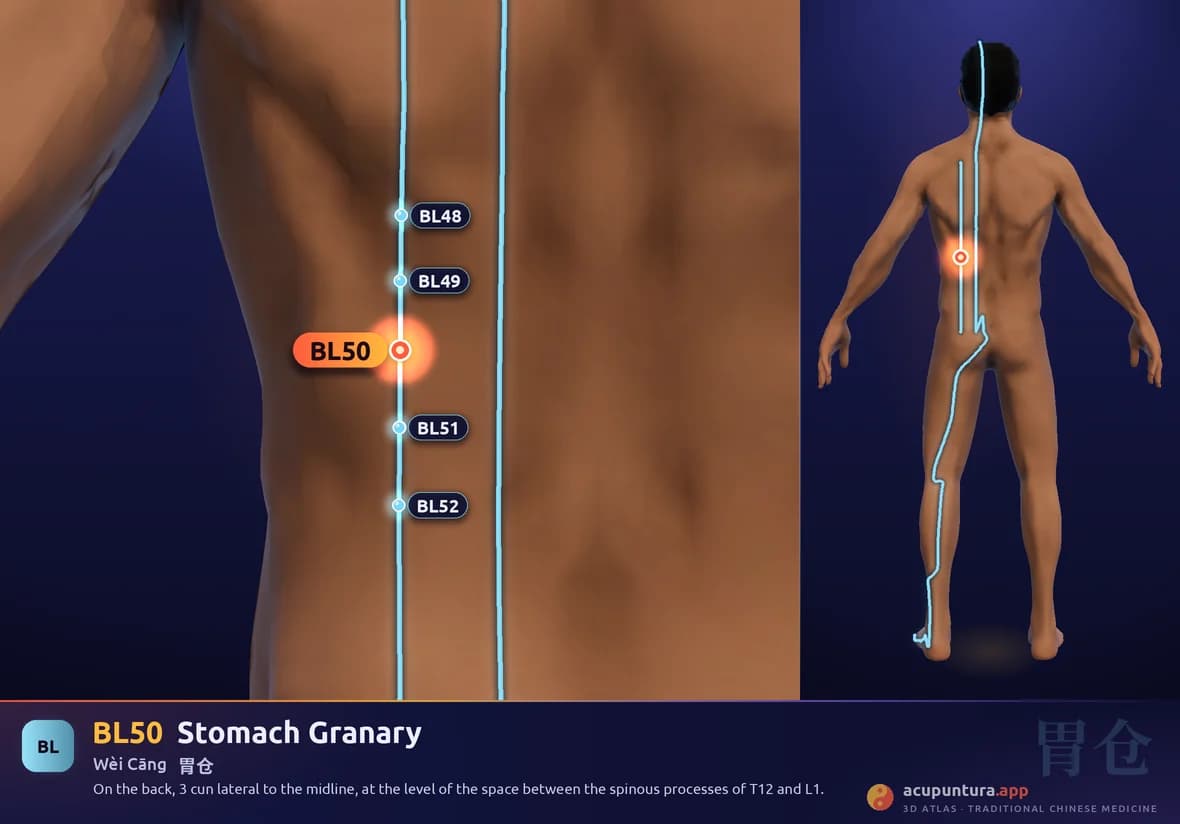
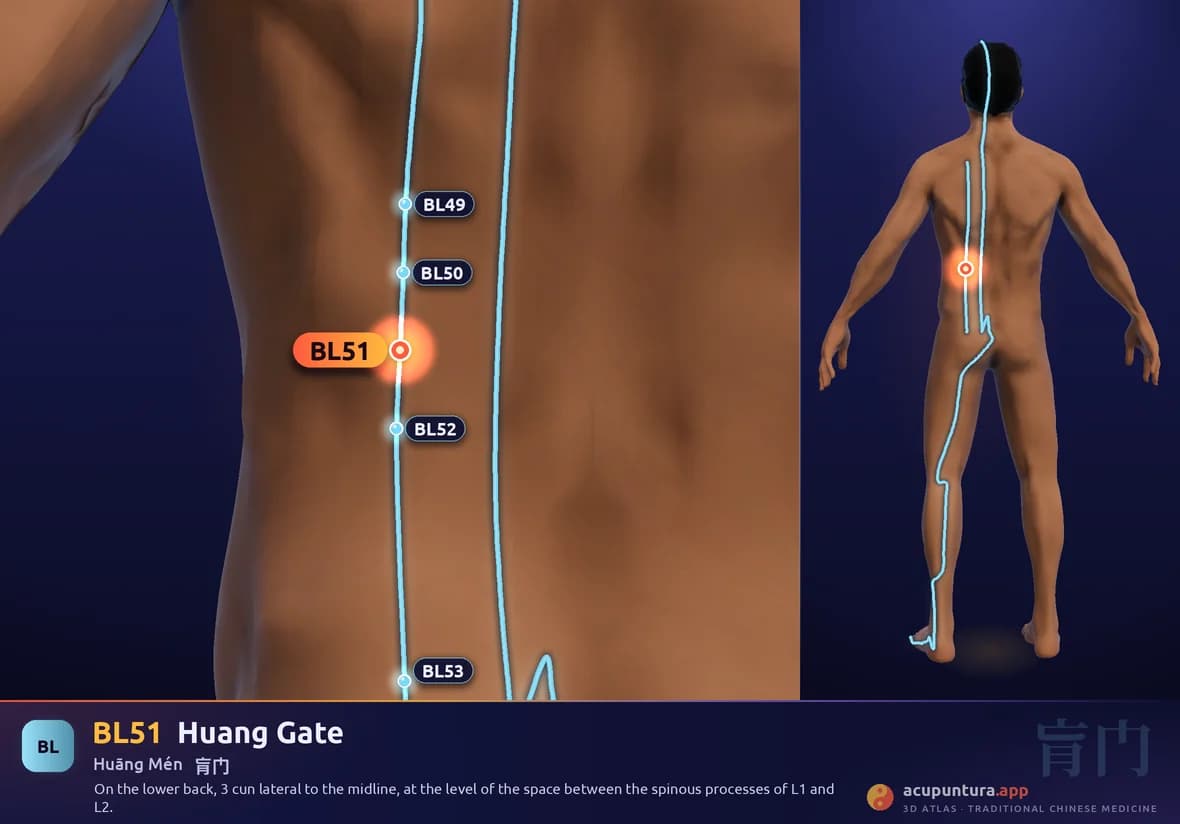
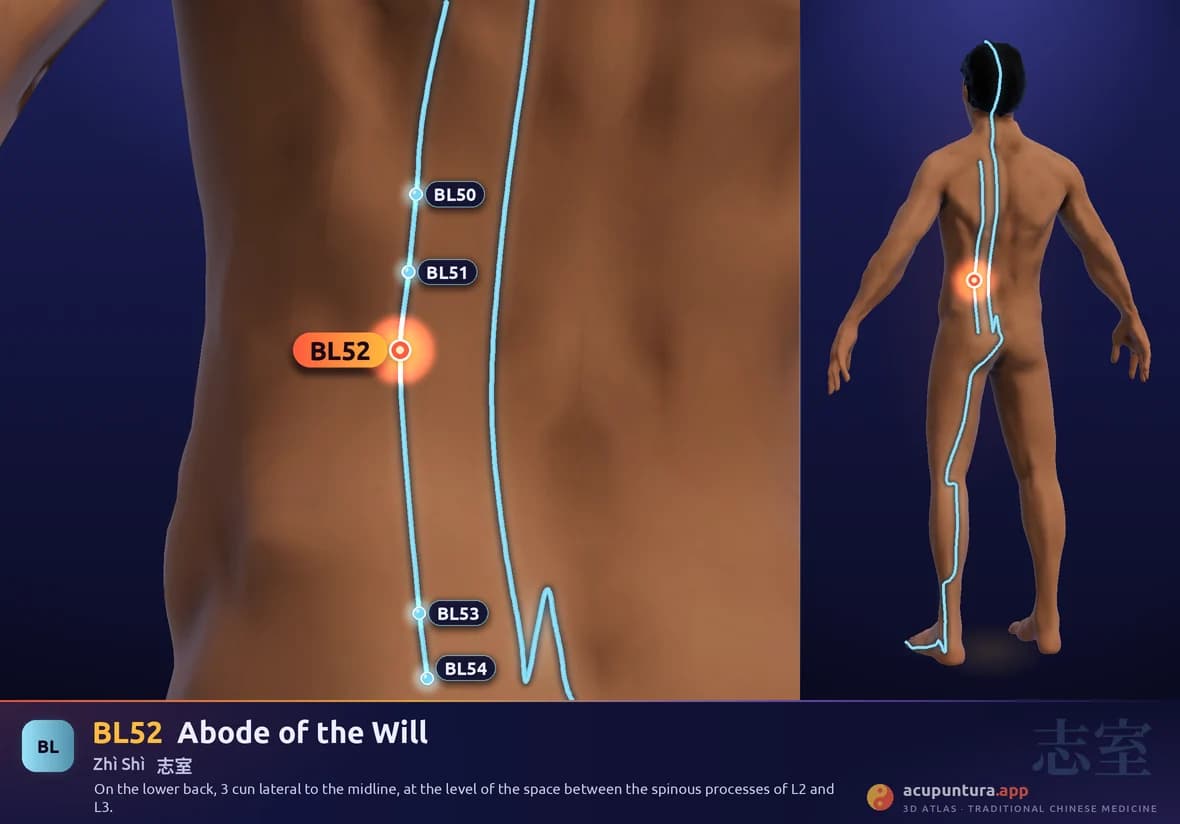
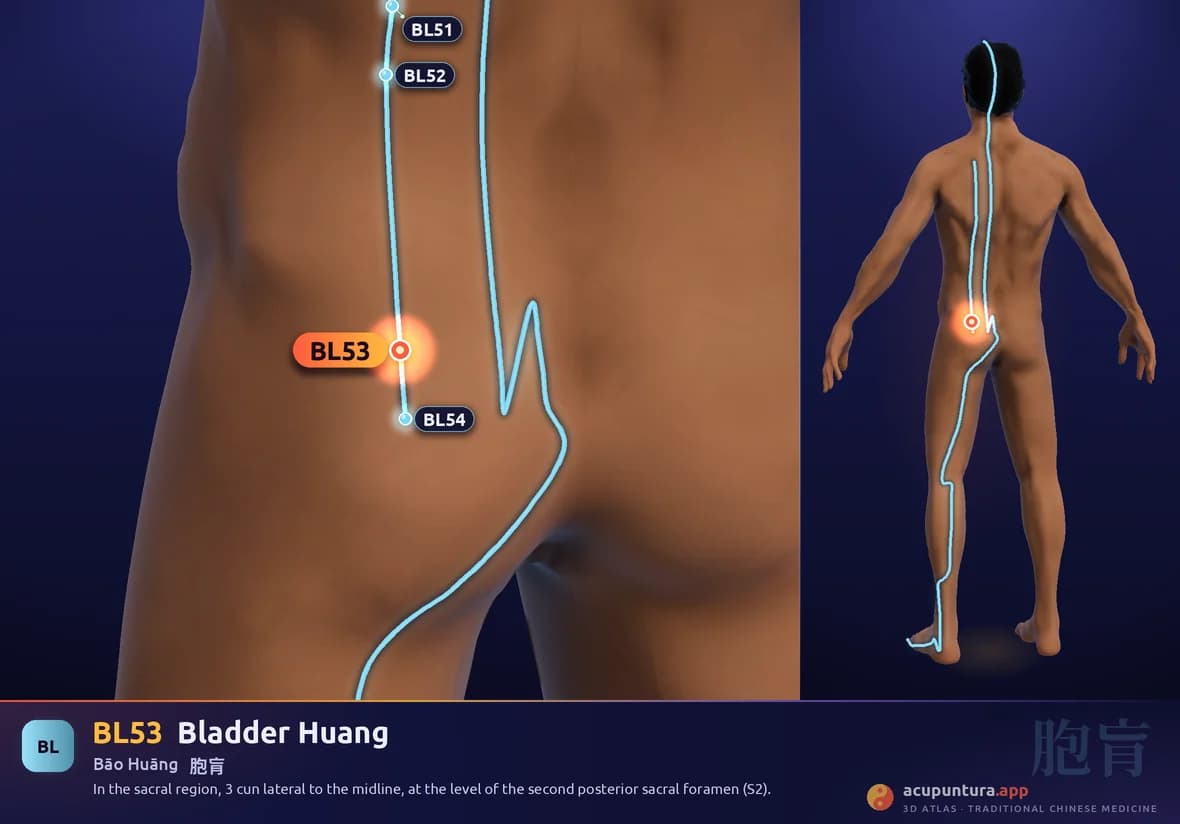
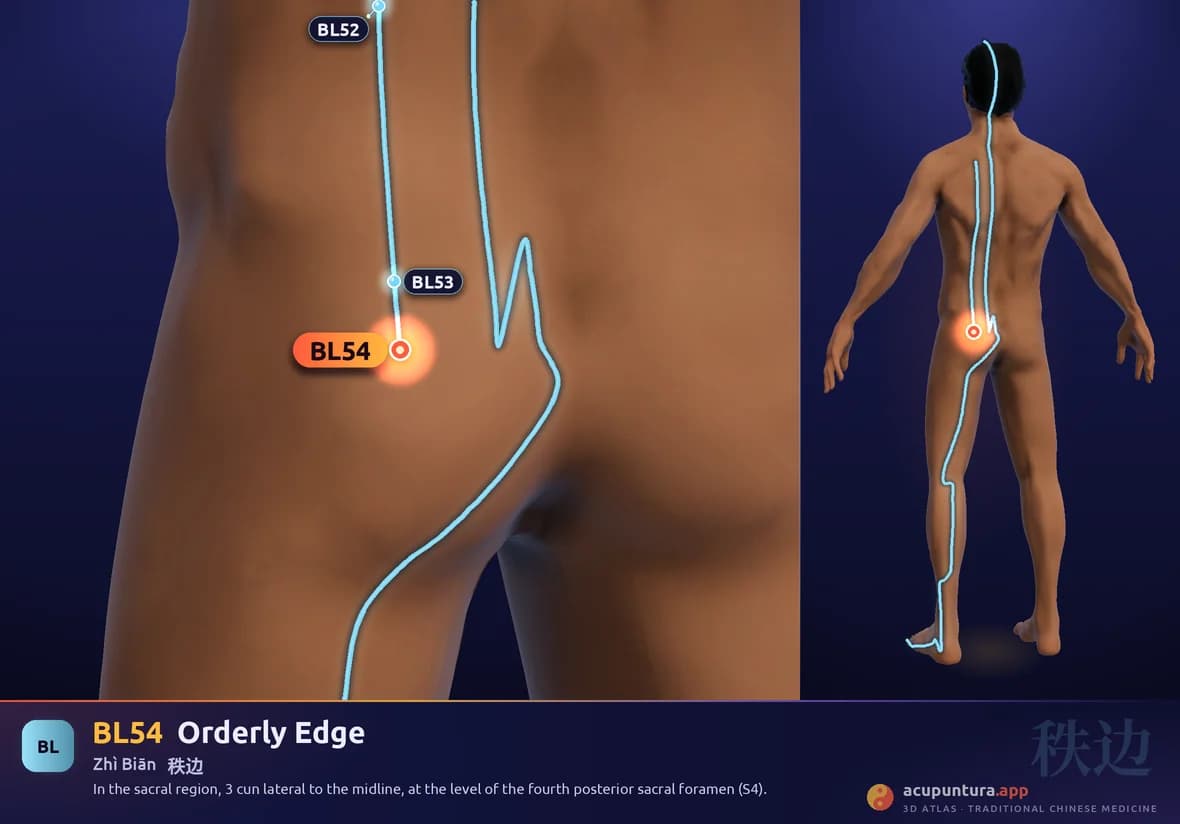
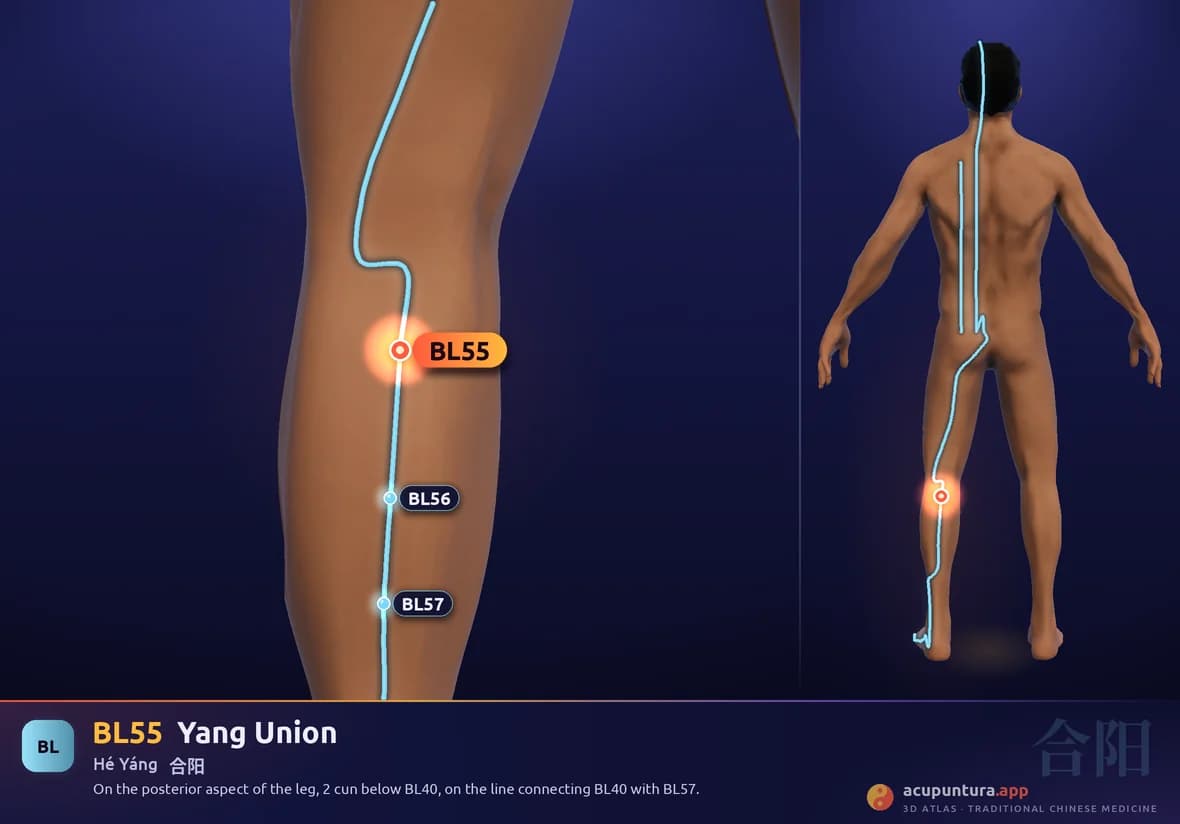
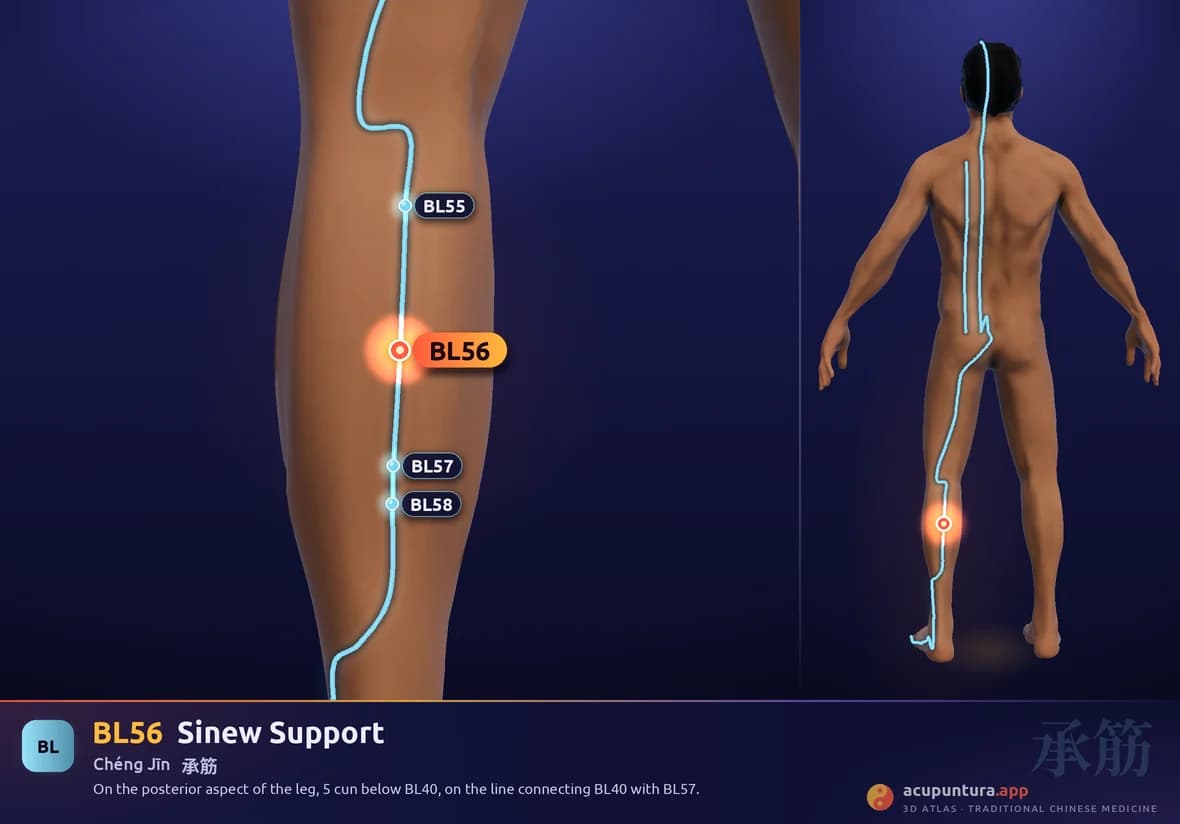
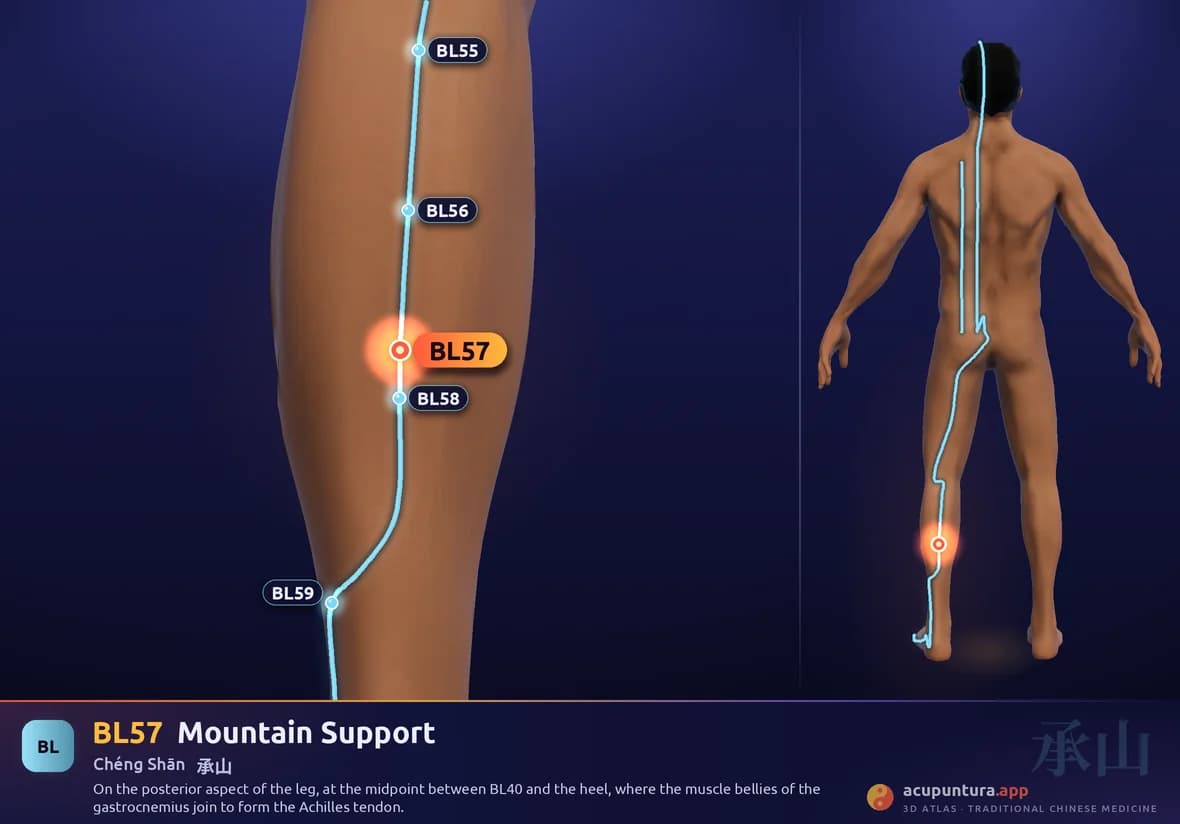
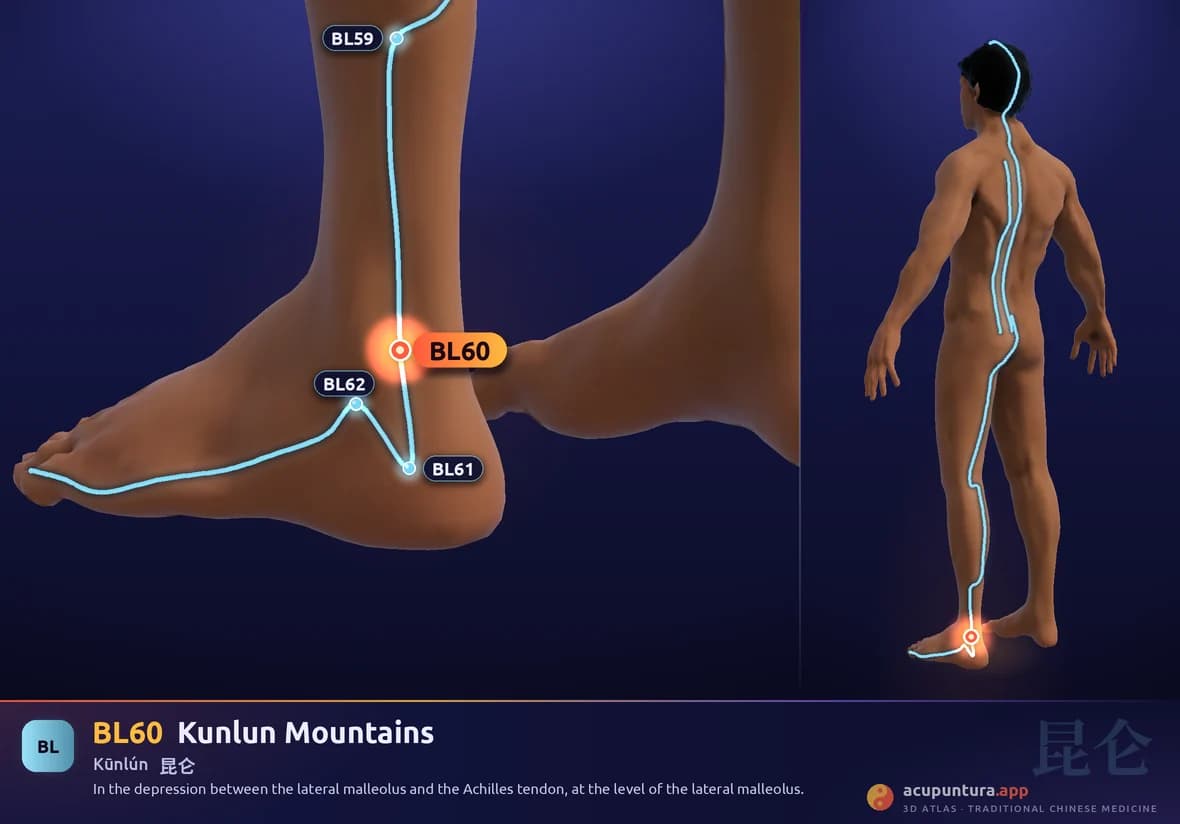
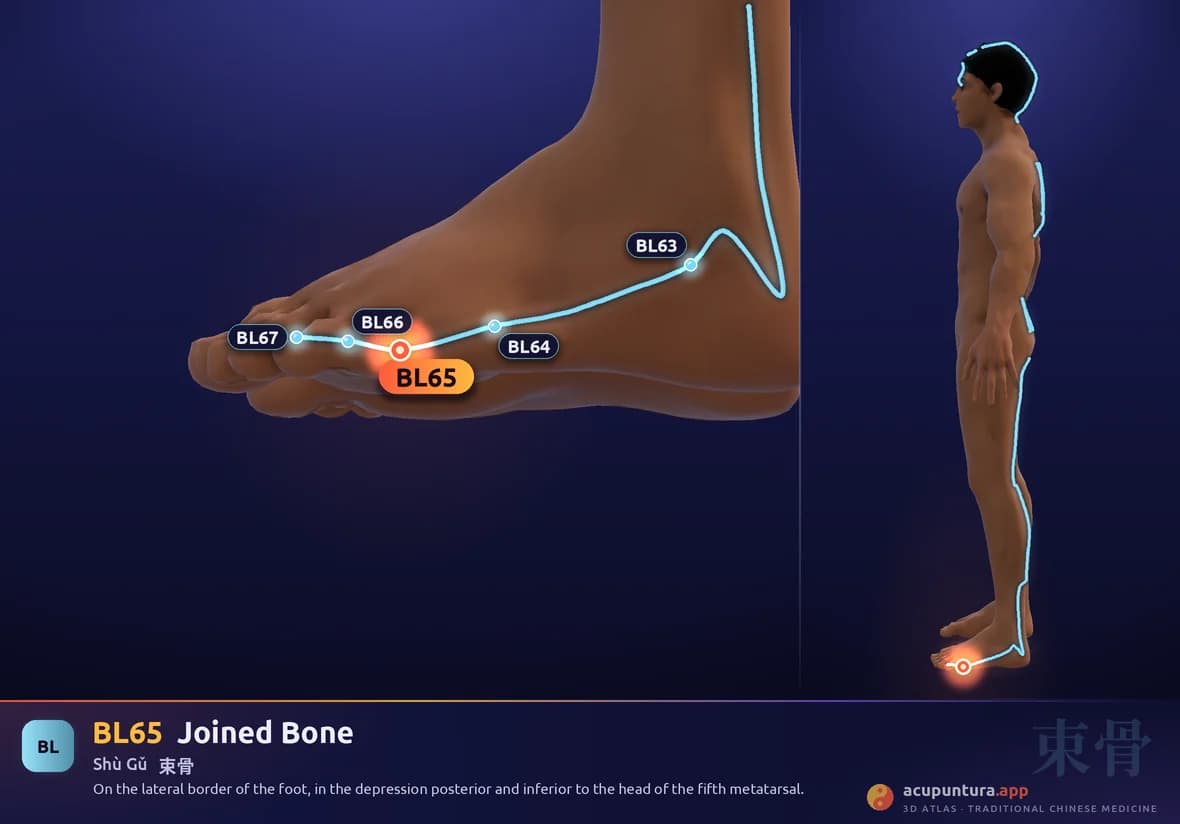
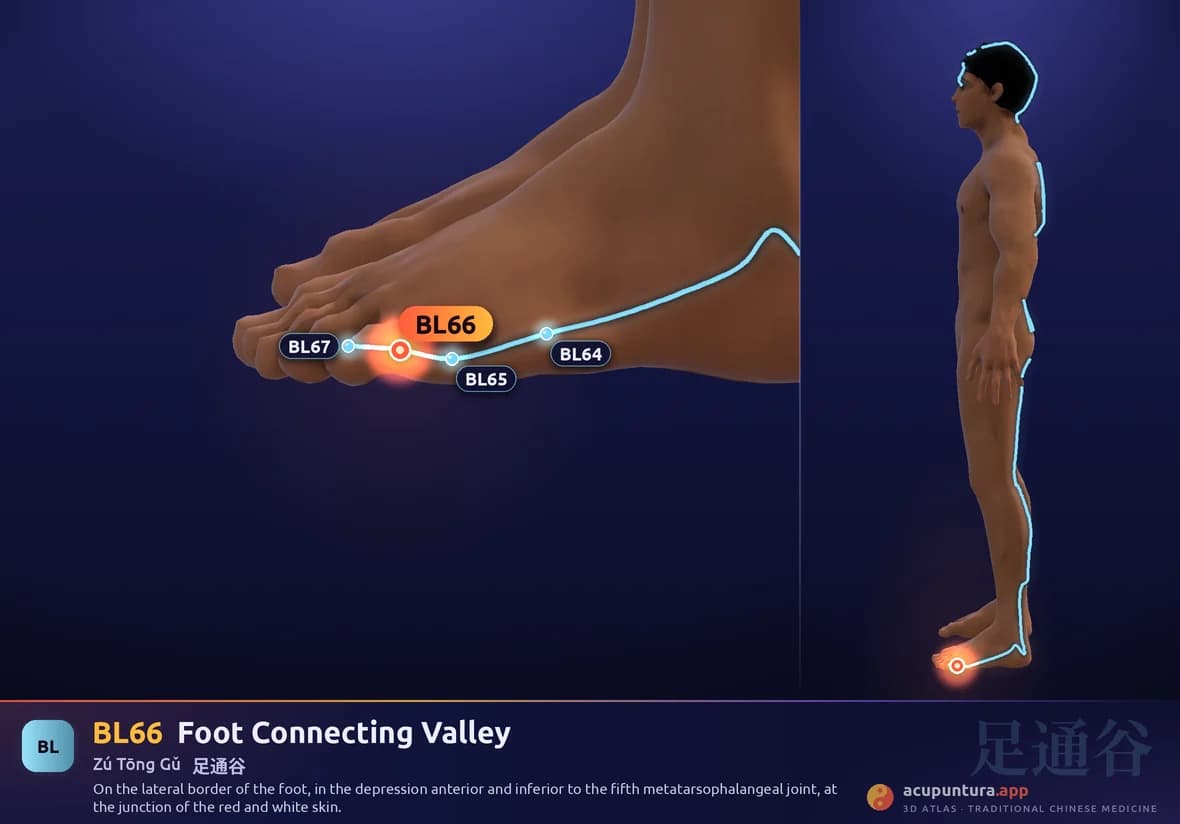
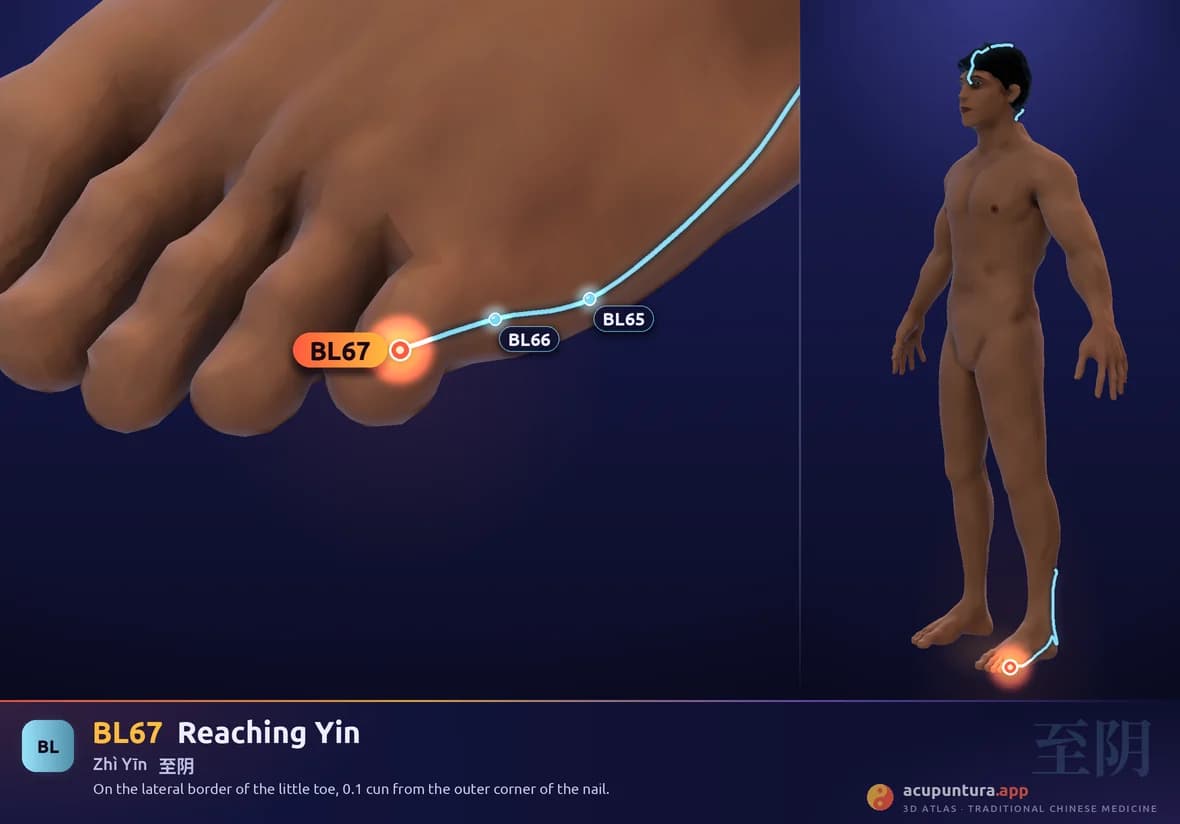
Begins at the inner canthus of the eye (BL1), rises over the forehead and head, descends along the nape, back, lumbar region, and posterior leg, and ends at the lateral corner of the nail of the fifth toe (BL67).
The channel in the Lingshu
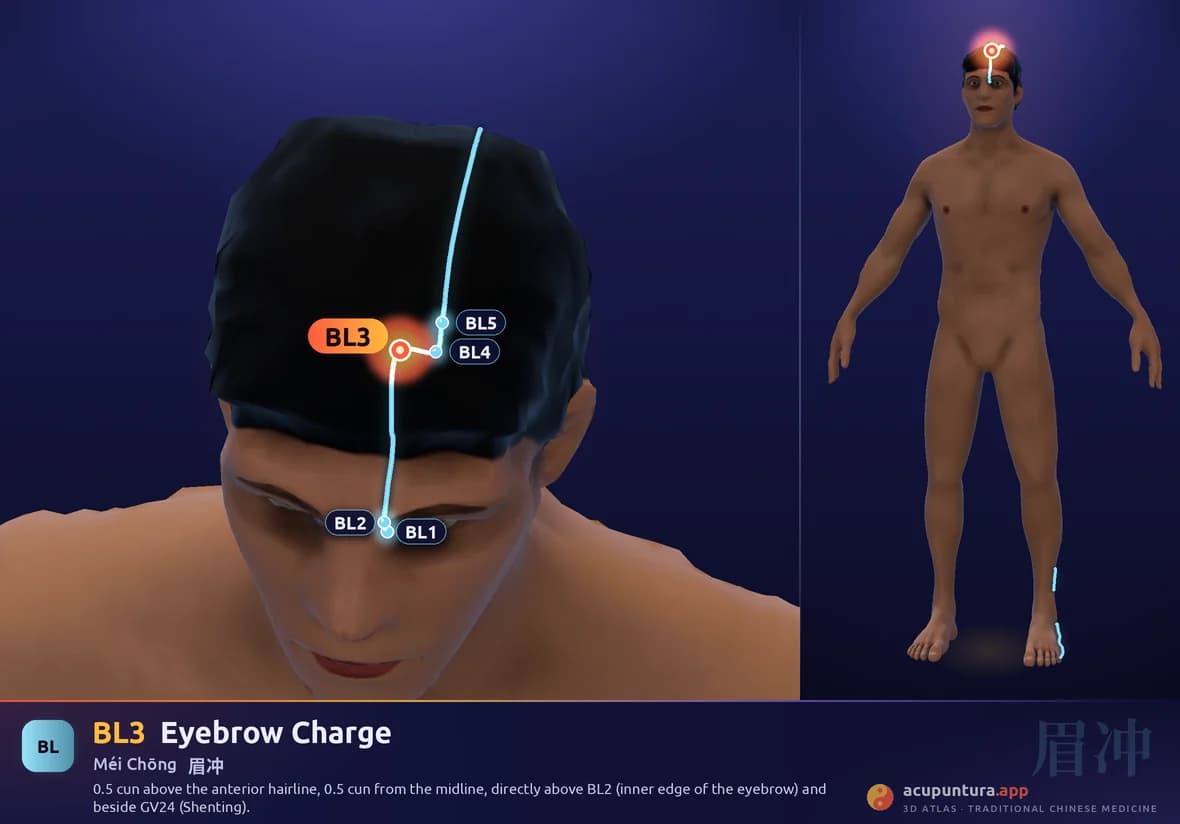
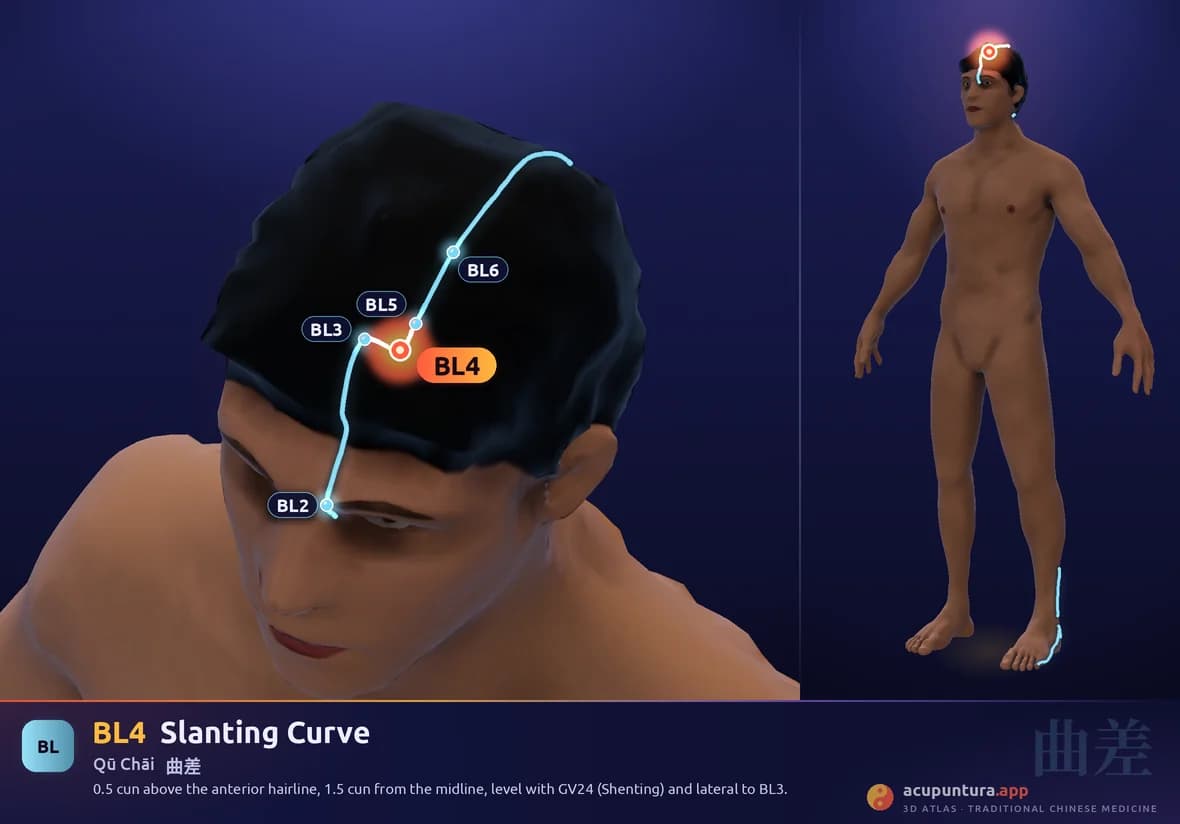
The Bladder channel has more points than any other, sixty-seven, and the Lingshu (Spiritual Pivot) traces for it the widest course: from the face to the foot, across the whole back. “膀胱足太陽之脈,起於目內眥”: it begins at the inner corner of the eye, at BL1, rises over the forehead, and crosses at the vertex. There it enters to connect with the brain, “從巔入絡腦,” and emerges again to descend along the nape.
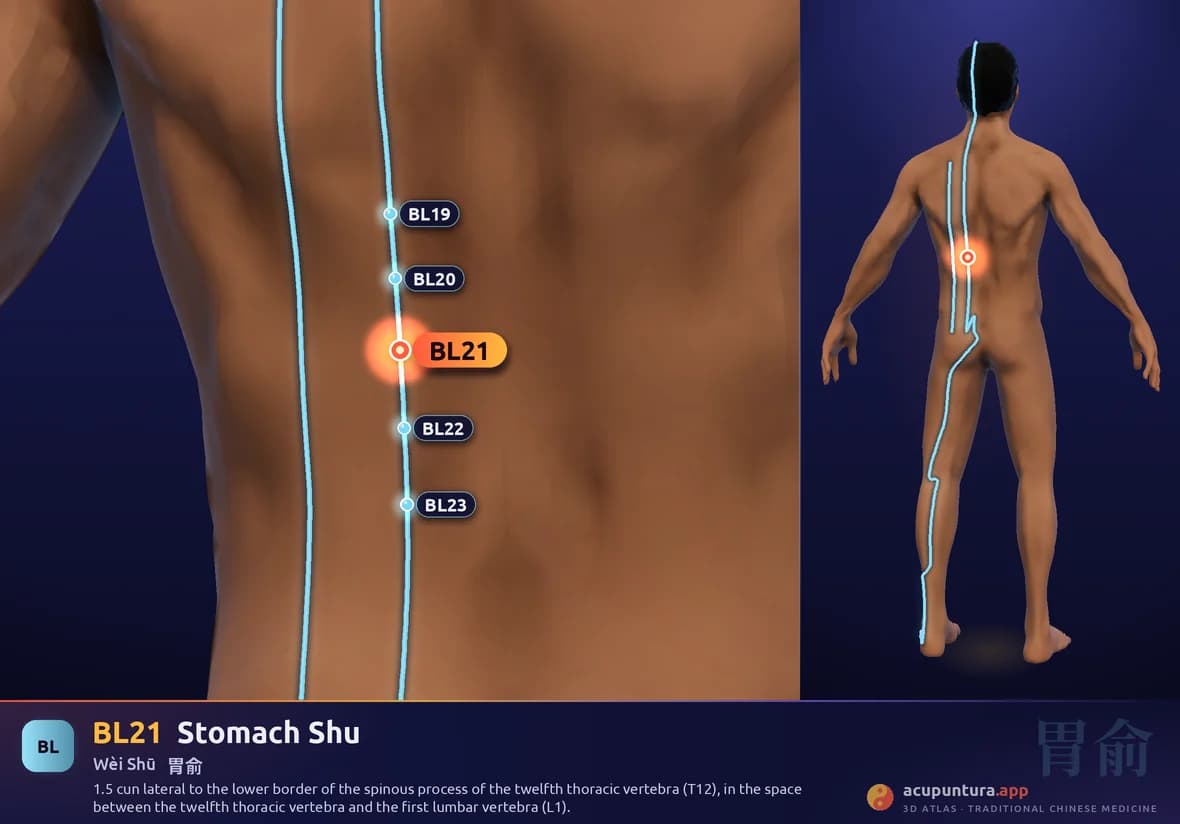
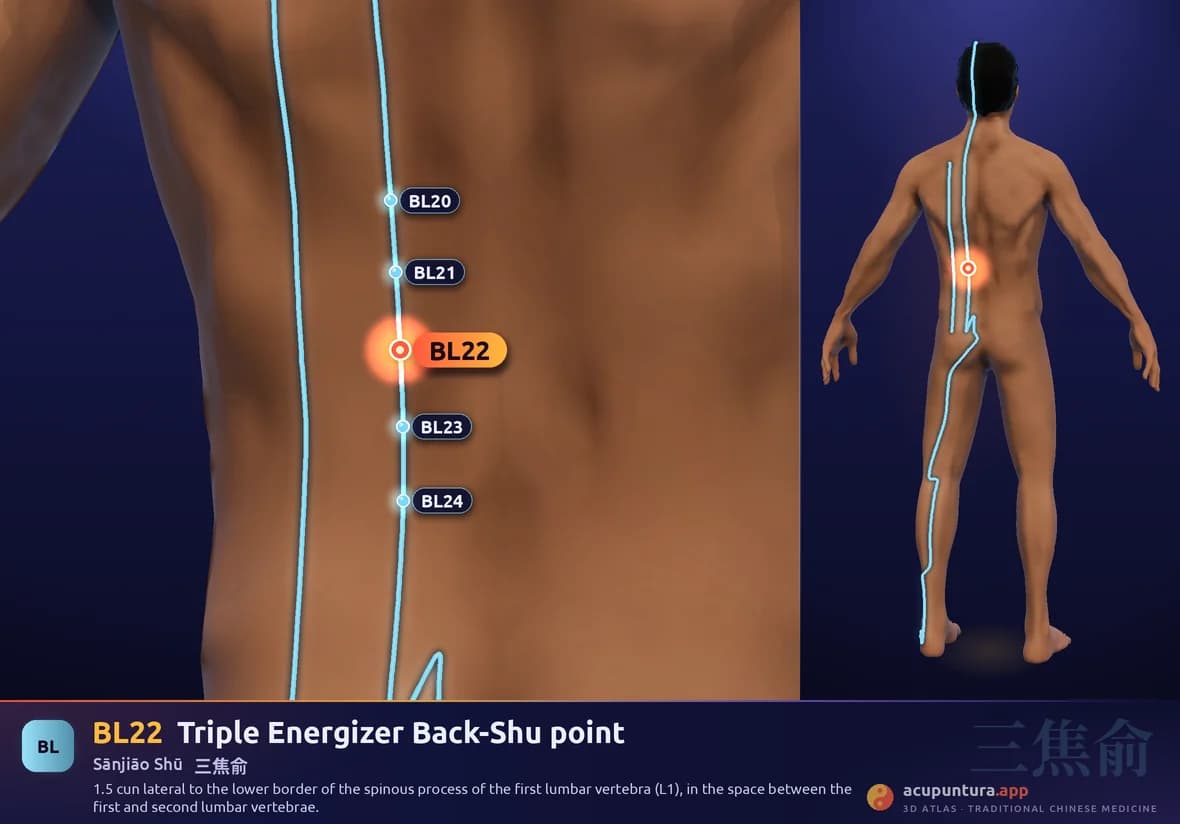
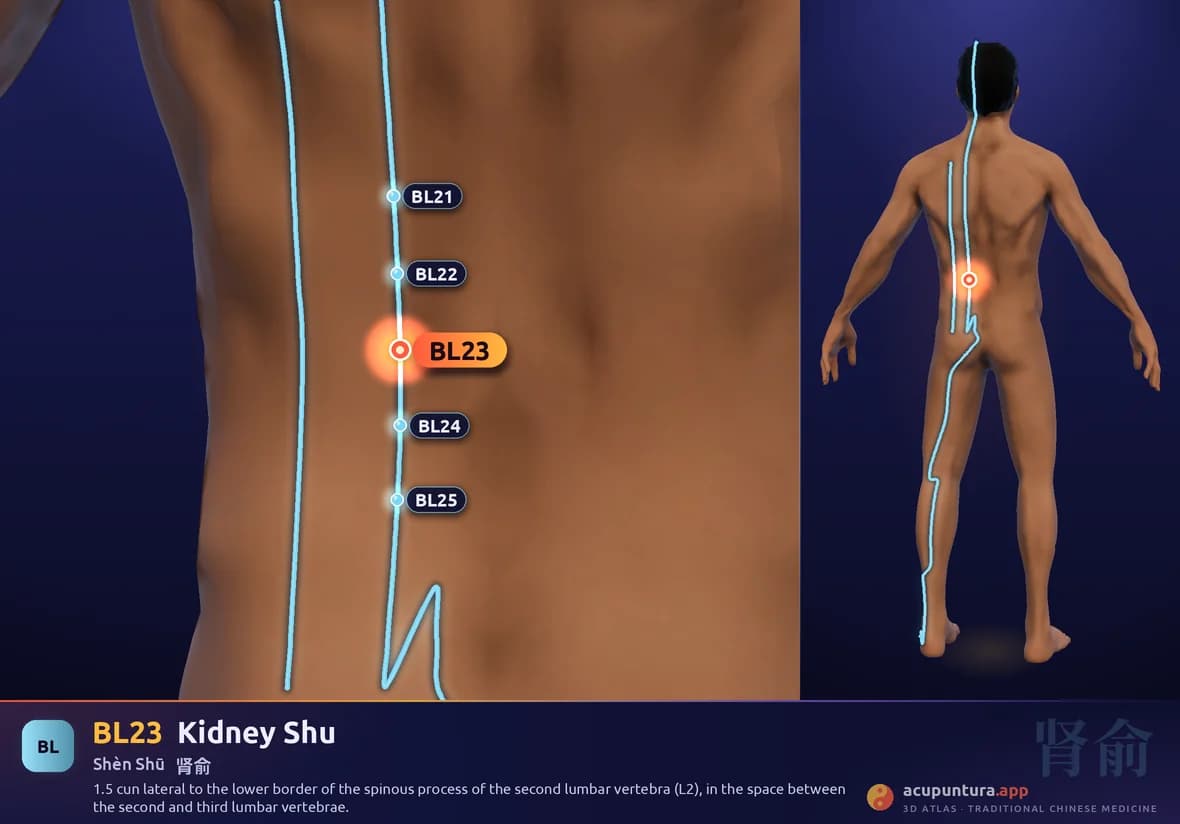
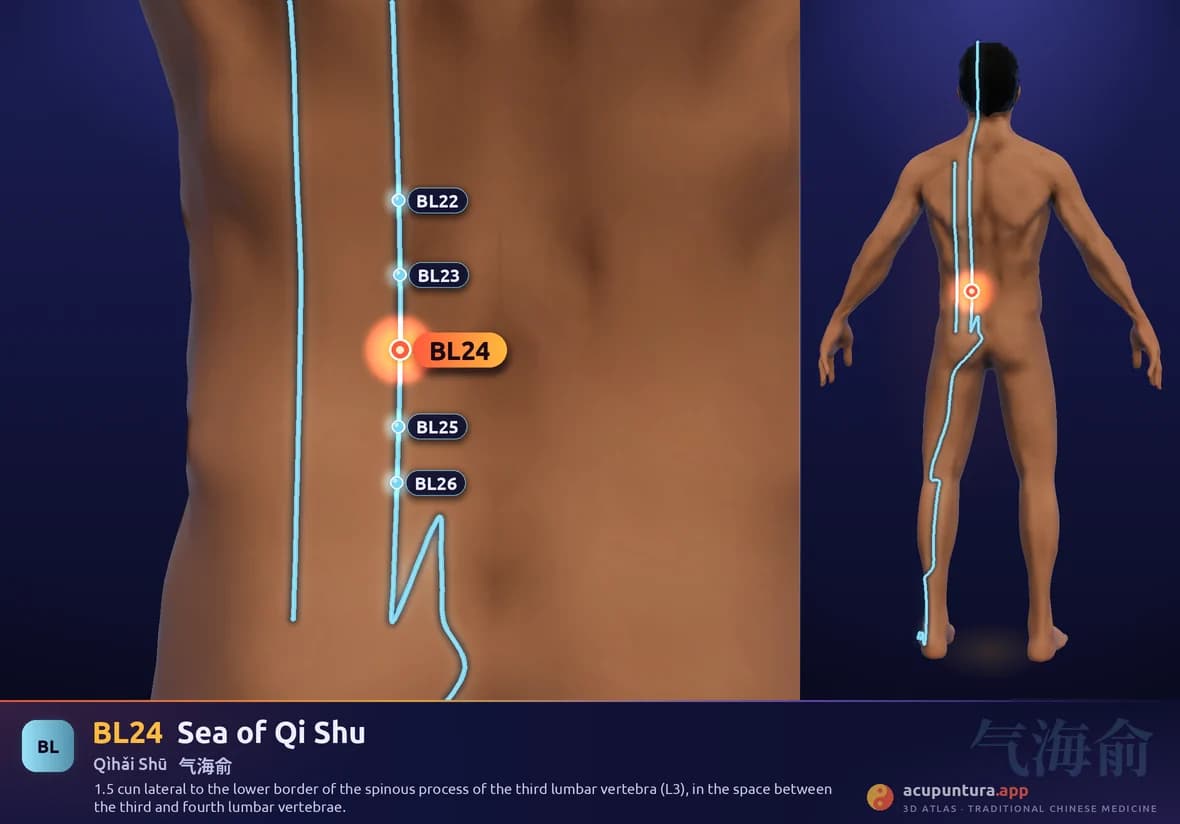
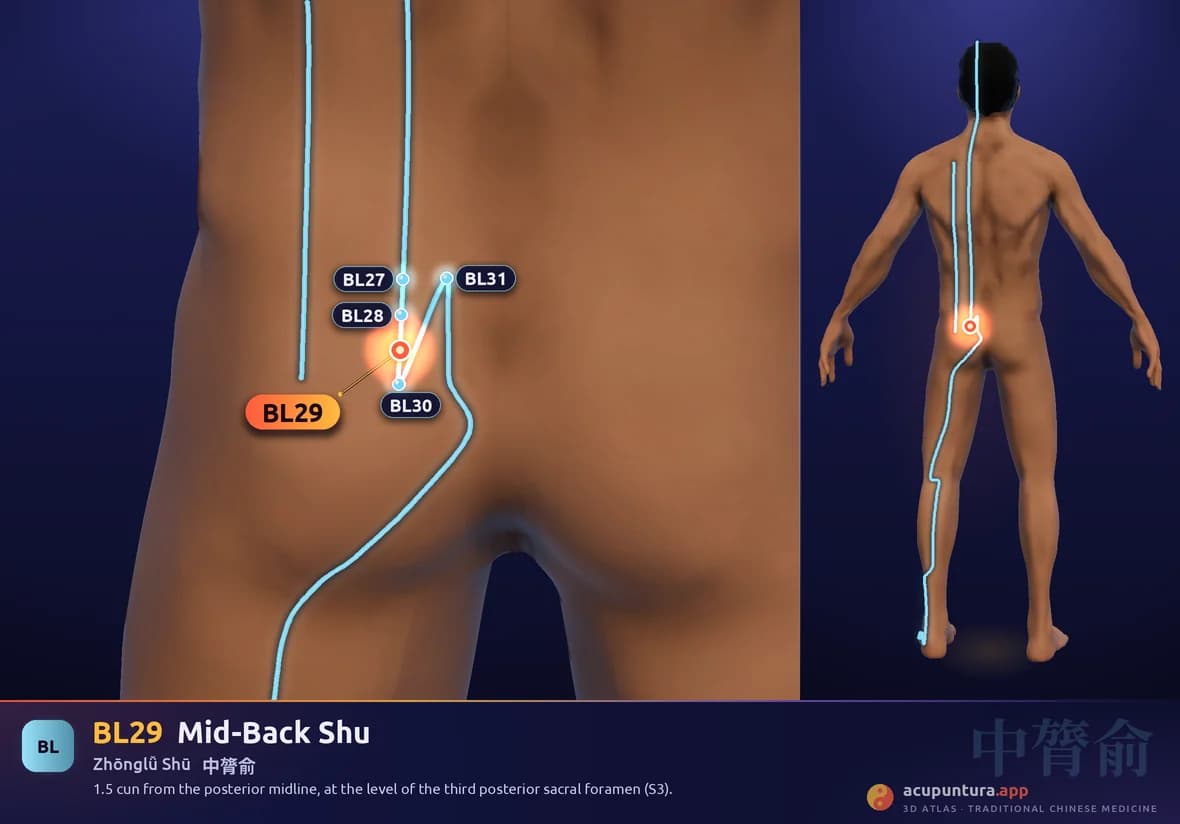
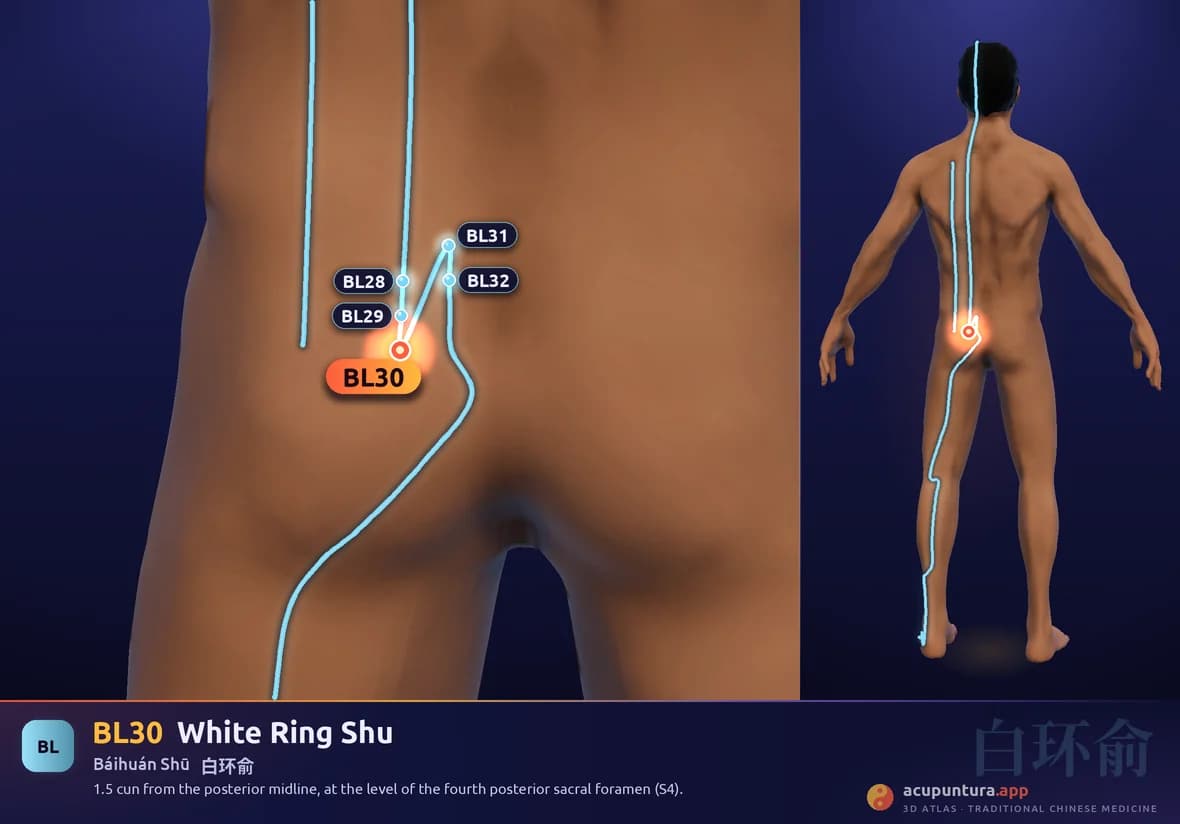
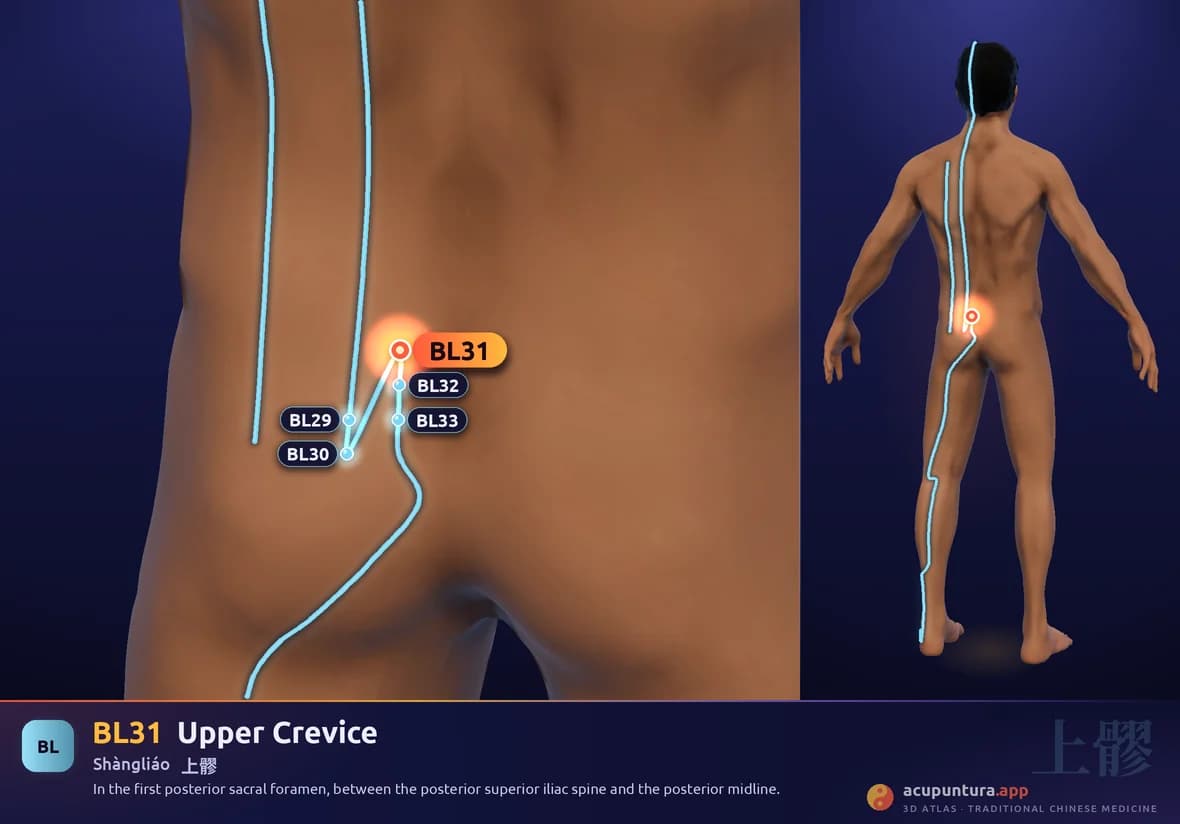
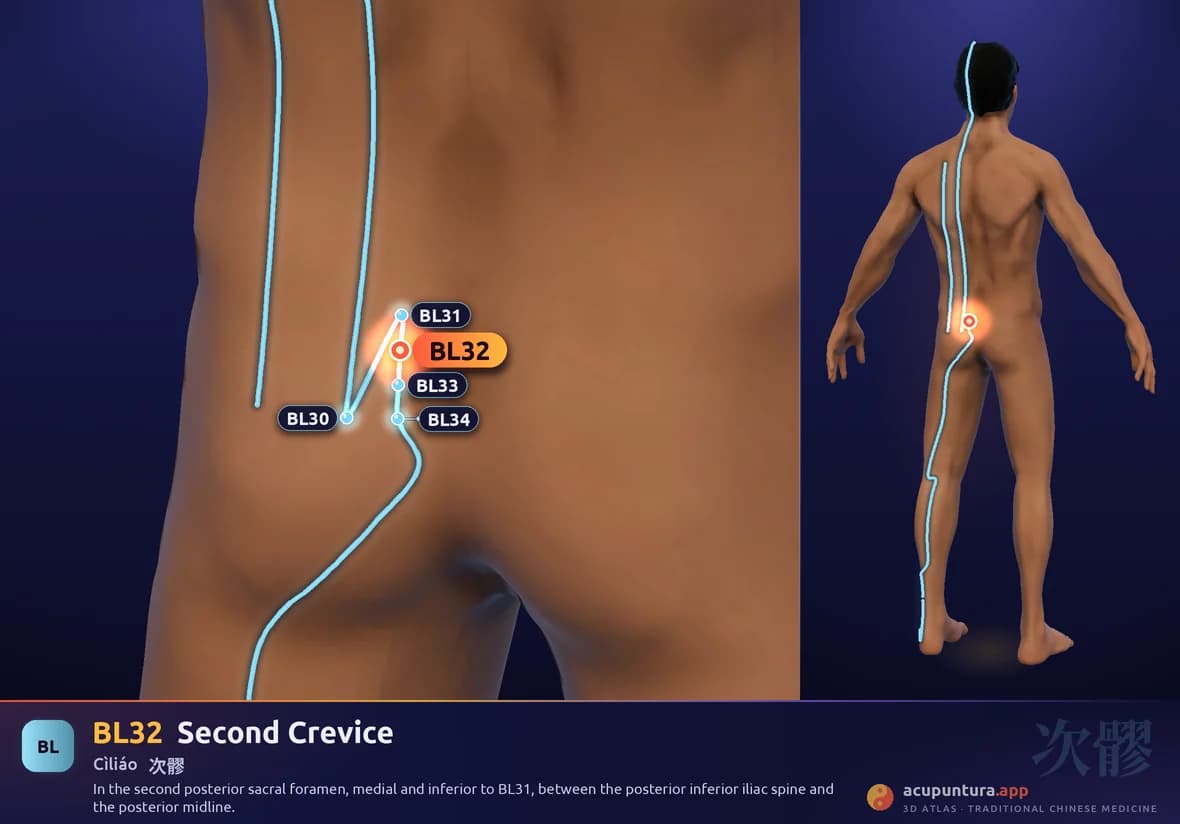
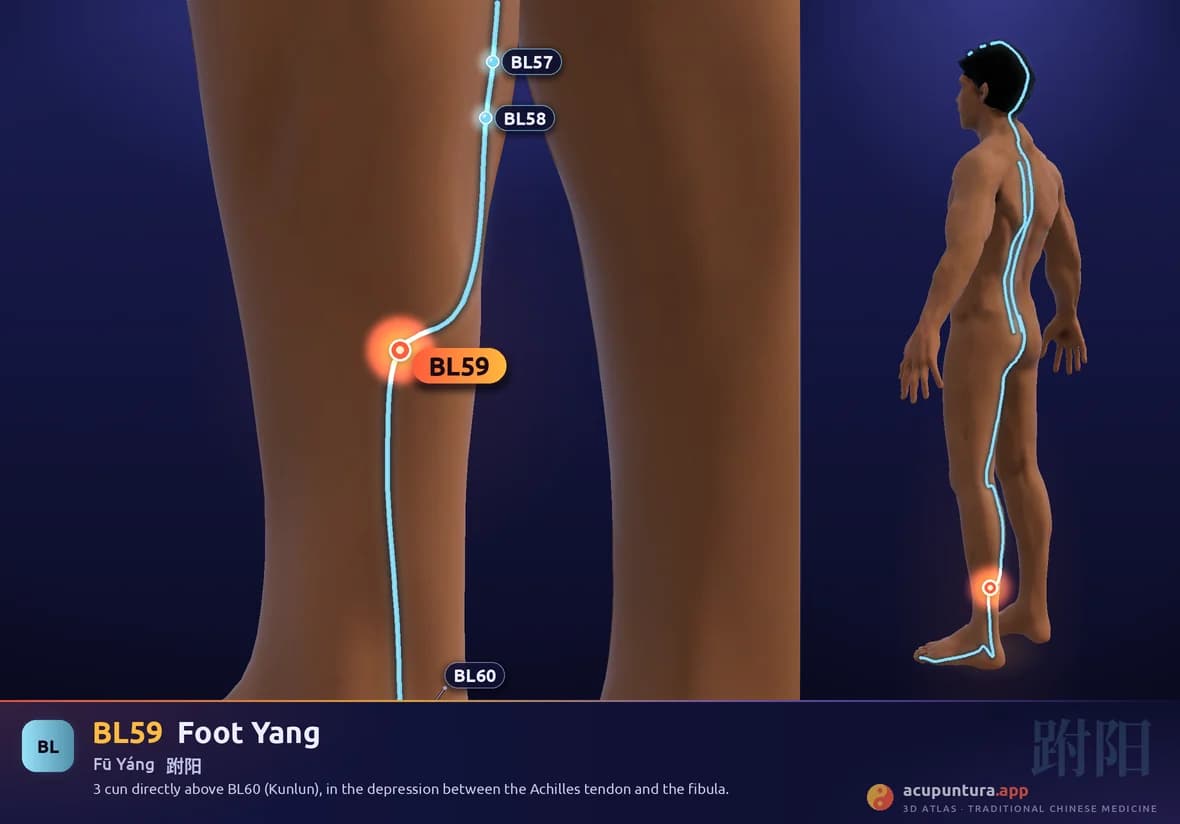
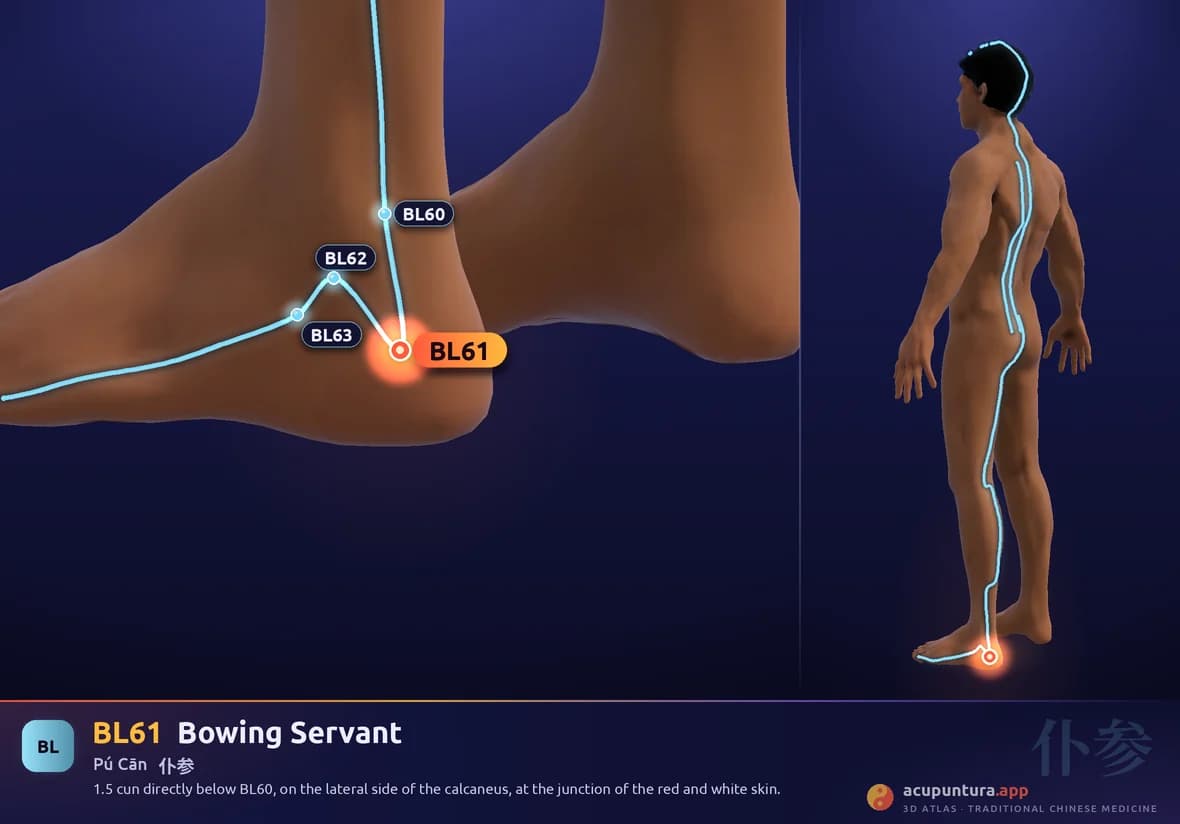
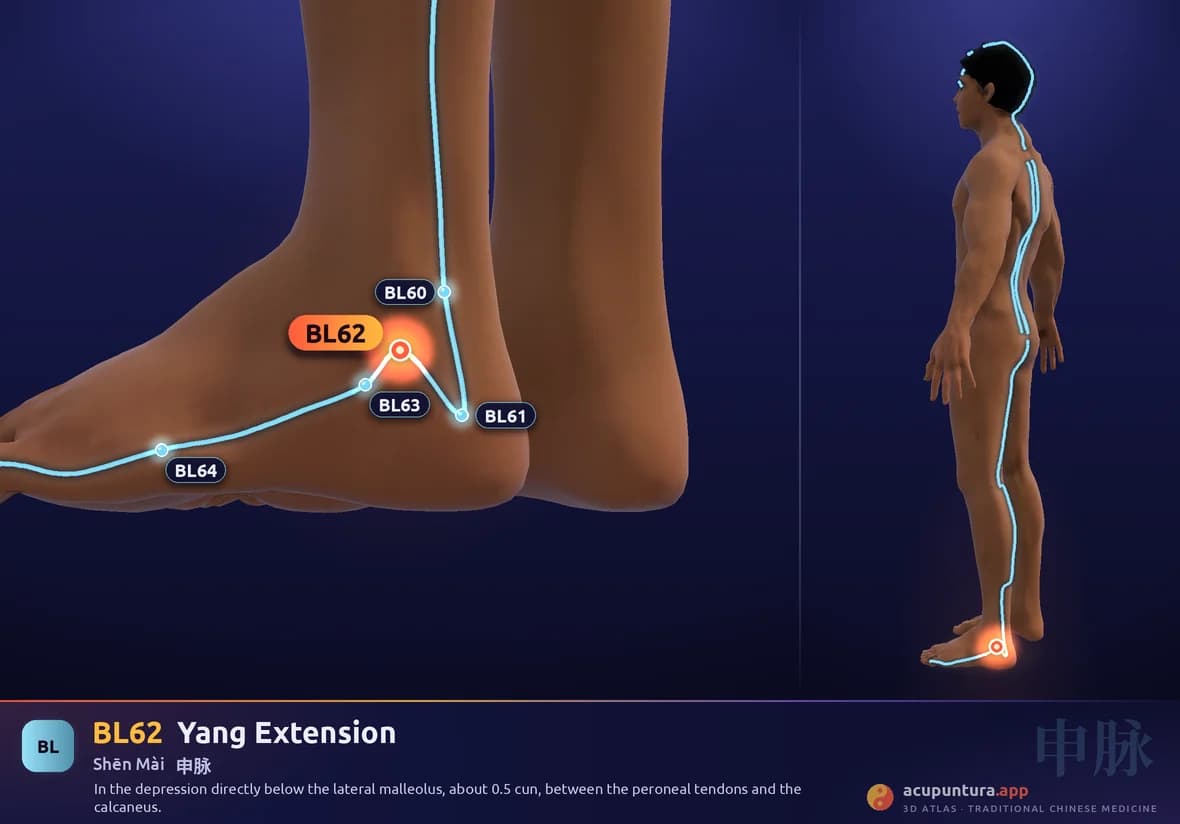
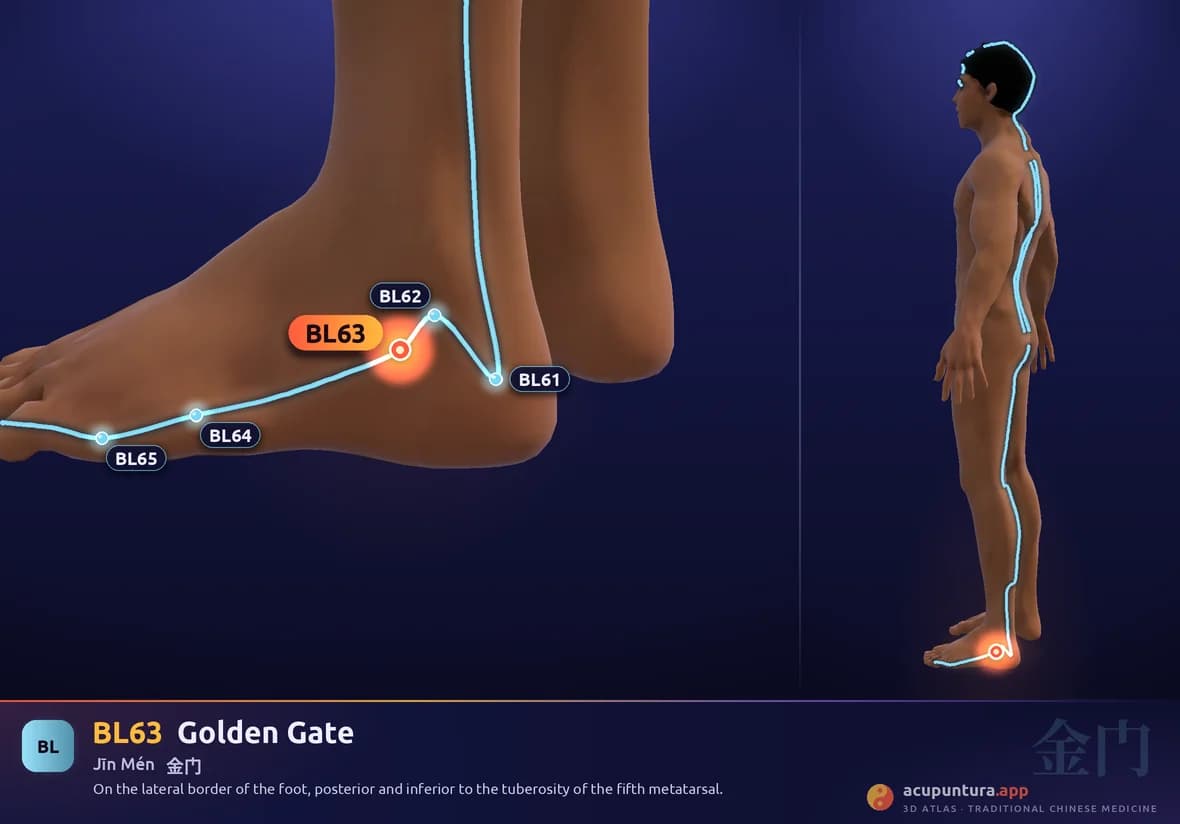
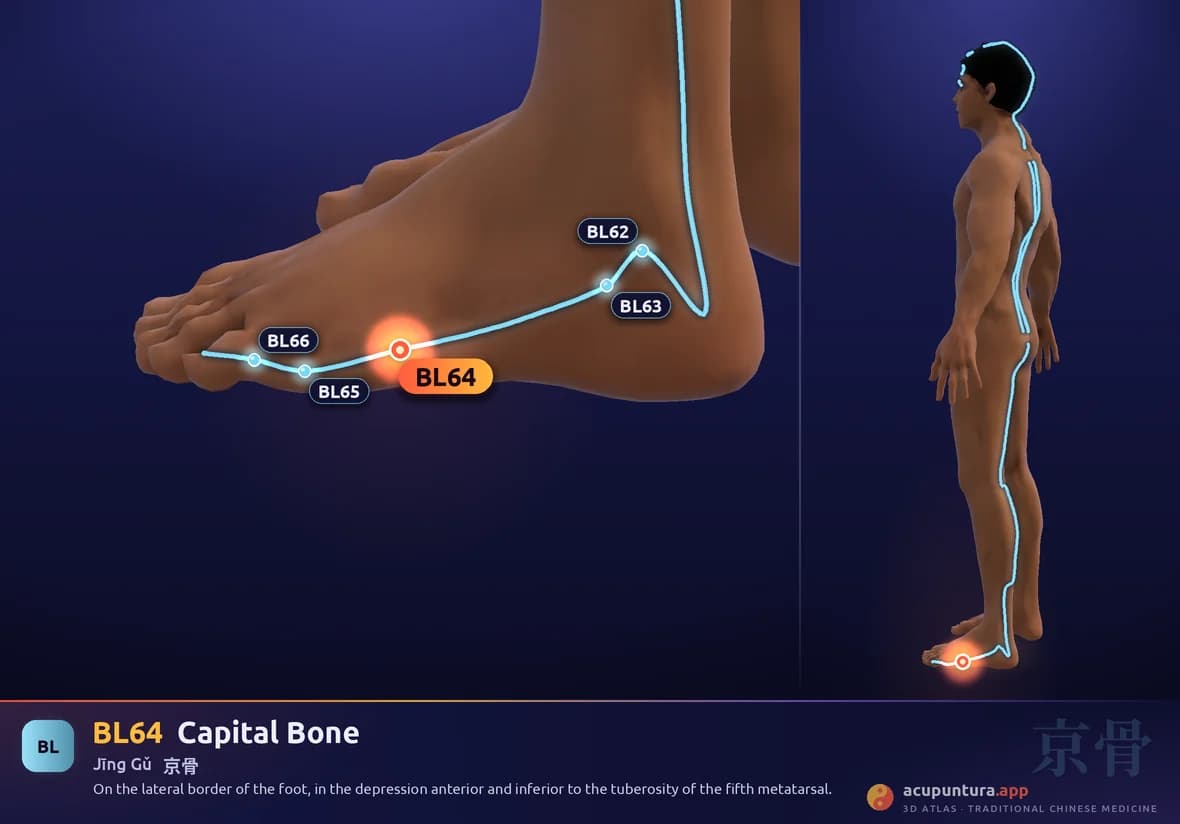
On the back, the text describes the two lines that are drawn today on each side of the spine. The first, “挾脊,抵腰中,” runs along the spine to the waist, enters to connect with the Kidney and belongs to the Bladder, and descends through the buttocks to the hollow of the knee. The second leaves the scapula, “從髆內左右別下貫胛,” descends farther out, passes the hip, and joins the first in the popliteal fossa, BL40. From there the channel runs down the calf, exits behind the lateral malleolus, passes Jinggu, BL64, and ends at the outer border of the little toe, BL67.
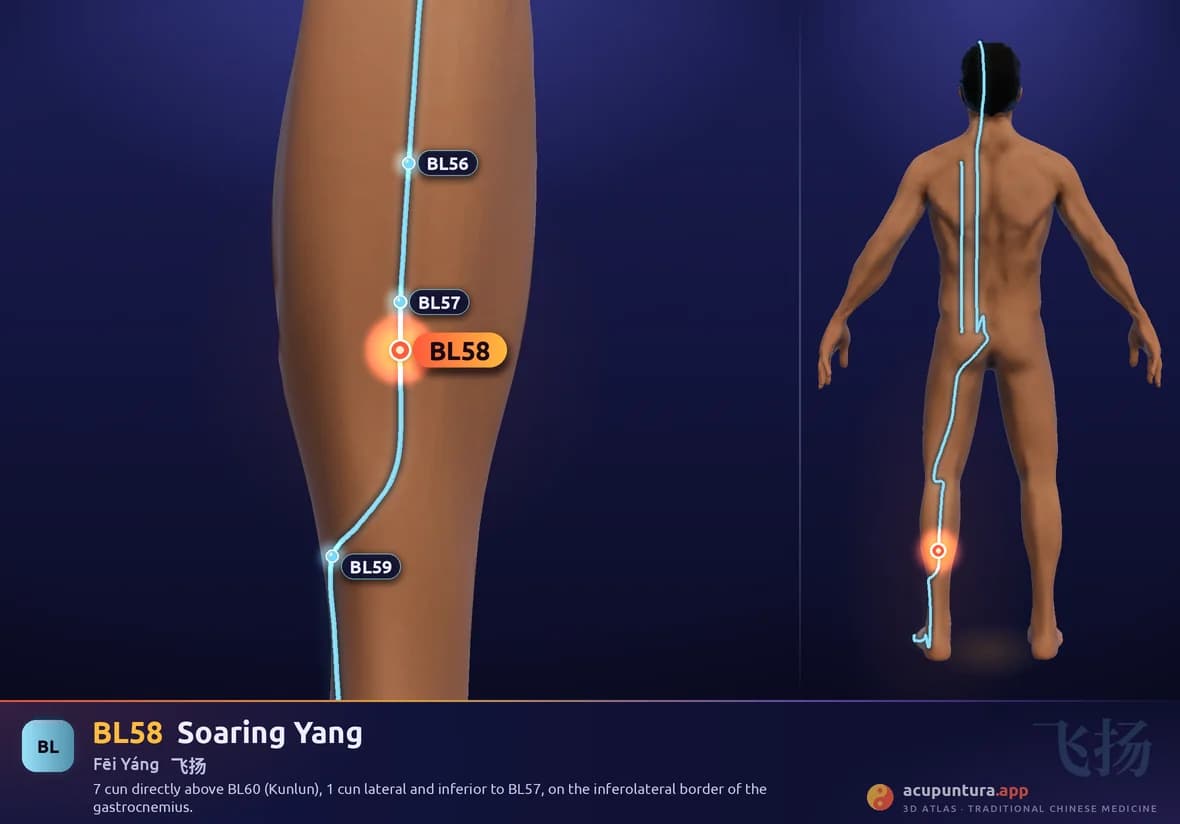
Its “是動” disorders follow the path section by section: a headache that pushes upward, “目似脫,項如拔,” the eyes that seem about to fall out and the nape as if torn off, the aching spine, the waist as if broken in two, the hollow of the knee as if knotted, and the calf as if split. The chapter gives it dominion over the sinews (是主筋所生病者). Its branch is “足太陽之別,名曰飛揚,” Feiyang, BL58, seven cun above the ankle, which separates toward the Shaoyin.